College is often described as a time of exploration and discovery, but for many LGBTQ+ students, this exploration extends beyond academics to include understanding and expressing their identities. One of the most transformative aspects of this journey can be finding and joining LGBTQ+ student organizations that provide community, support, and opportunities for growth.
The Importance of Community Connection
Research consistently demonstrates that LGBTQ+ students who participate in affirming student organizations experience better mental health outcomes, higher academic engagement, and greater overall satisfaction with their college experience. Connection with peers who share similar experiences creates a buffer against the challenges that LGBTQ+ students often face.
Beyond the documented benefits, there is something profound about finally finding your people—people who understand without explanation, who celebrate rather than question, who offer acceptance without conditions. For many students, LGBTQ+ organizations become the heart of their college experience.
Types of LGBTQ+ Student Organizations
Campuses typically offer a range of LGBTQ+ organizations, each with different focuses and structures. Understanding the landscape at your institution can help you find the right fit for your interests and needs.
General LGBTQ+ Alliances
Most schools have organizations with names like LGBTQ+ Alliance, Pride Collective, or Gay-Straight Alliance that welcome students across the gender and sexuality spectrum. These groups often serve as umbrella organizations that:
- Host regular meetings and social events
- Advocate for campus-wide policies and changes
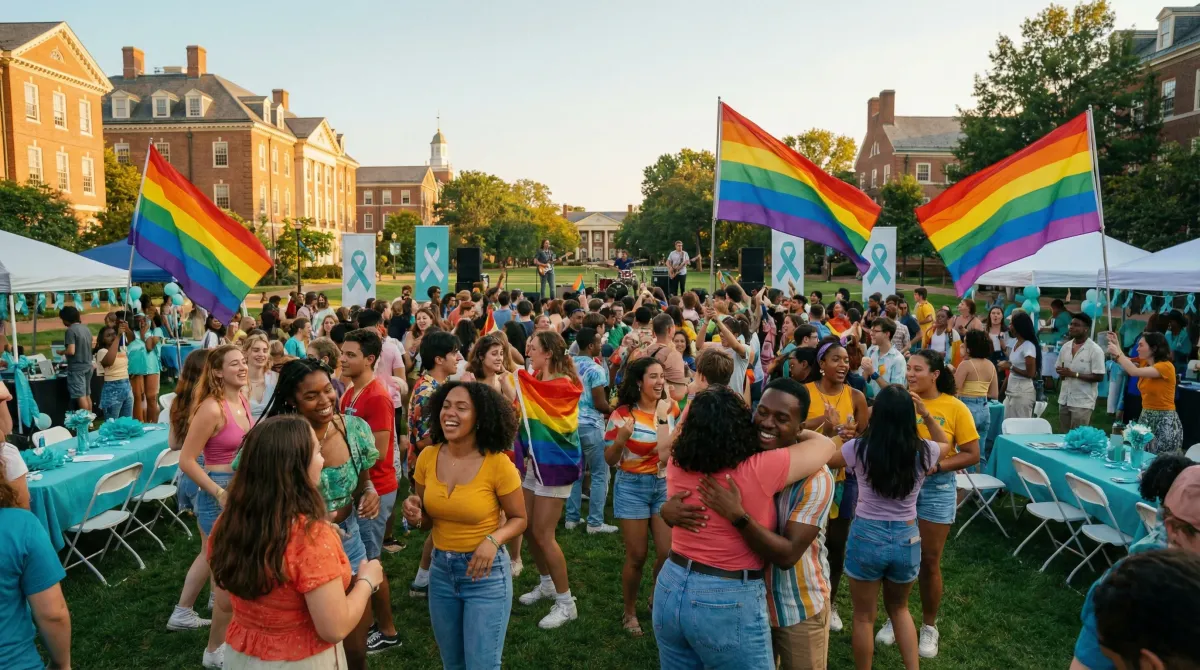
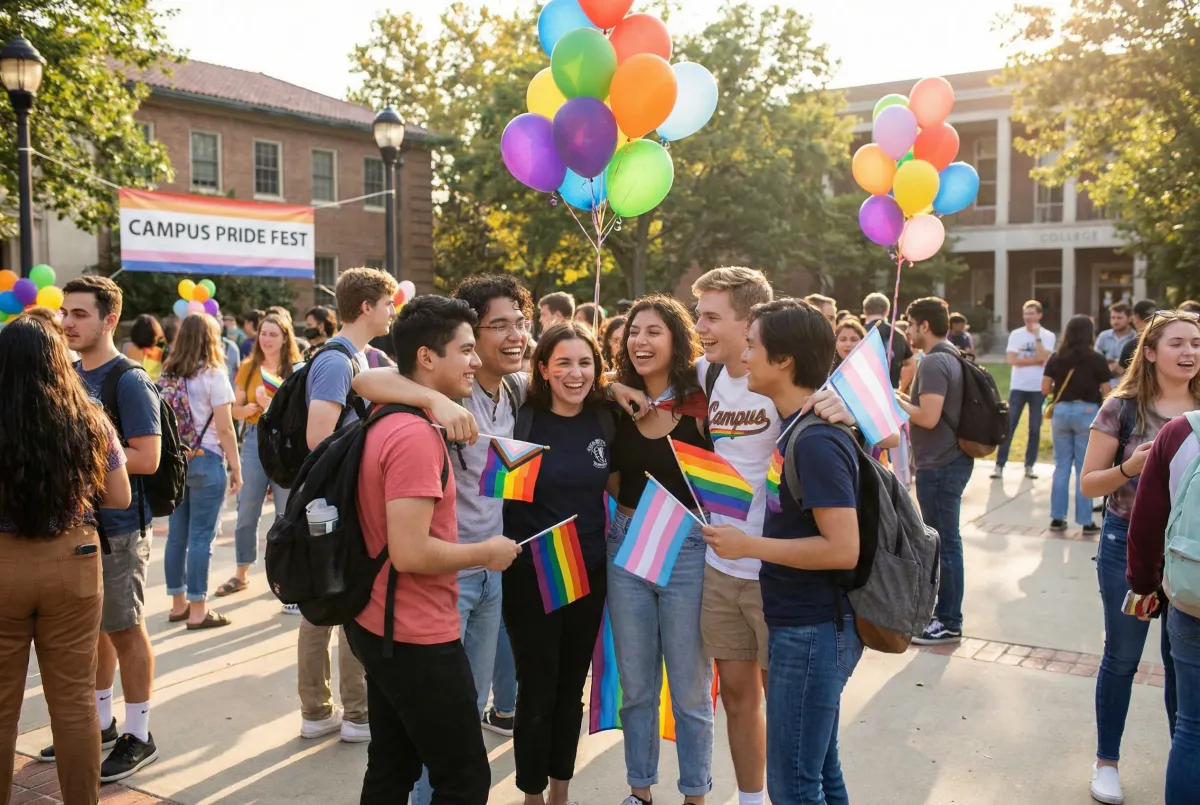
- Coordinate major events like Pride celebrations
- Connect students with resources and other organizations
- Provide training and education for the broader campus community
These groups are typically open to all students, regardless of their own identity, making them accessible spaces for questioning students, allies, and those who simply want to support LGBTQ+ communities.
Identity-Specific Groups
Many campuses also have organizations that focus on particular experiences within the LGBTQ+ spectrum:
Transgender and Nonbinary Groups: These organizations provide specific support for transgender, nonbinary, and gender-nonconforming students. They may address topics like navigating name and pronoun changes, accessing appropriate housing and facilities, finding affirming healthcare, and dealing with trans-specific challenges.
Queer People of Color (QPOC) Organizations: Recognizing that race and sexuality/gender identity intersect in specific ways, these groups create spaces for LGBTQ+ students of color to connect with others who share their combined experiences of identity.
LGBTQ+ Women’s Groups: Organizations specifically for lesbian, bisexual, queer, and other women-loving women provide spaces to discuss issues unique to these experiences.
LGBTQ+ Greek Organizations: Fraternities and sororities with LGBTQ+ focus offer the opportunity to participate in Greek life while maintaining affirming environments.
Faith-Based LGBTQ+ Groups: For students whose spiritual lives are central to their identity, these organizations explore the intersection of faith and sexuality/gender identity.
Graduate Student Organizations: Some campuses have LGBTQ+ groups specifically for graduate and professional students, recognizing that graduate student experiences differ significantly from undergraduate life.
Interest-Based and Activity Groups
Beyond identity-focused organizations, you might find LGBTQ+ groups organized around specific interests:
- LGBTQ+ Outdoors clubs for hiking and adventure
- Performance groups including theater, a cappella, and comedy
- Academic or professional organizations with LGBTQ+ focus
- Volunteer and community service initiatives
- Sports teams and recreational groups
Getting Involved: Finding Your Entry Point
Starting with a new organization can feel intimidating, especially if you’re new to campus or haven’t yet found your community. Here are strategies for making that first connection:
Explore Multiple Organizations
Don’t feel pressured to commit to the first group you encounter. Many campuses have multiple LGBTQ+ organizations with different cultures and focuses. Visiting several groups over your first semester can help you find where you truly belong.
Most organizations welcome new members at any time of year, though some have specific recruitment periods. Check organization websites, social media accounts, and campus announcement boards for meeting times and locations.
Attend Introductory Events
Many organizations host special events designed for newcomers:
- New Member Meetings: These provide information about the organization’s mission, activities, and how to get involved.
- Social Events: Coffee nights, game evenings, and casual gatherings offer low-pressure ways to meet current members.
- Pride or Welcome Weeks: The beginning of the school year often features multiple LGBTQ+ events where you can explore different organizations.
Bring a Friend
Attending your first meeting with someone you already know—whether a roommate, orientation friend, or someone from another organization—can make the experience less intimidating.
Start with Online Communities
If in-person gatherings feel overwhelming at first, many organizations maintain online spaces through Discord, Slack, Facebook groups, or other platforms. These can provide a way to connect with community members before attending your first meeting.
Benefits of Active Membership
Joining an LGBTQ+ student organization offers benefits that extend far beyond social connection:
Personal Growth and Development
Leadership opportunities within organizations allow you to develop skills in event planning, communication, advocacy, and organizational management. These experiences translate to resumes and future careers.
Working within a community organization helps you develop confidence in yourself and your identity. Many students report that their involvement helped them become more comfortable with who they are.
Academic Support
Many organizations offer study groups, mentorship programs, and academic resources specifically for LGBTQ+ students. Connecting with older students who have navigated similar challenges can provide invaluable guidance.
Career and Professional Development
LGBTQ+ professional organizations and career-focused groups can help you:
- Connect with LGBTQ+ professionals in your field
- Find mentors who understand the challenges of being LGBTQ+ in specific industries
- Access internship and job opportunities through network connections
- Explore how your identity intersects with your career goals
Advocacy and Change
Perhaps most significantly, LGBTQ+ organizations provide a platform for creating change on your campus and beyond:
- Advocating for policy changes that improve campus inclusivity
- Educating the broader community about LGBTQ+ issues
- Supporting other students who may be struggling
- Building visibility and acceptance one conversation at a time
Leadership Opportunities
For students interested in taking on more active roles, LGBTQ+ organizations offer various leadership opportunities:
Committee Positions
Most organizations have roles focused on specific areas:
- Event Planning: Organizing social gatherings, educational programs, and Pride celebrations
- Outreach: Connecting with other student groups and campus departments
- Communications: Managing social media, newsletters, and website content
- Finance: Managing budgets and fundraising efforts
Executive Board Roles
Higher-level leadership positions include:
- President or Co-President: Leading the organization’s overall direction and representing it to the campus
- Vice President: Supporting the president and often managing specific initiatives
- Secretary: Maintaining records and documentation
- Treasurer: Managing finances and budgets
Campus-Wide Roles
Some leadership positions extend beyond individual organizations:
- LGBTQ+ Student Union Leadership: Coordinating among multiple LGBTQ+ organizations
- Representation on Student Government: Advocating for LGBTQ+ interests at the highest levels of student governance
- Advisory Roles: Consulting with university administrators on LGBTQ+ policies and programs
Navigating Challenges
While LGBTQ+ organizations are generally supportive spaces, challenges can arise. Being prepared helps you make the most of your experience.
Finding the Right Fit
Not every organization will feel right for you. Different groups have different cultures, and finding one that matches your personality and needs may take time. Don’t be discouraged if your first experience isn’t perfect—try another group or another approach.
Managing Time Commitments
Balancing organization involvement with academics and other responsibilities is important. Start with a smaller commitment and increase your involvement as you settle into your schedule.
Conflict and Interpersonal Issues
Even in supportive communities, disagreements happen. Learning to navigate conflict constructively is a valuable skill. Many organizations have processes for addressing concerns, and seeking out mediating conversations can help maintain community harmony.
Protecting Your Energy
Being visible as an LGBTQ+ leader can be rewarding but also exhausting. Pay attention to your own wellbeing and don’t hesitate to take breaks when needed.
Building Beyond Your Campus
The connections you make in college LGBTQ+ organizations often extend far beyond graduation:
Alumni Networks: Many organizations maintain connections with former members, providing career networking and mentorship opportunities long after graduation.
Regional and National Organizations: Groups like Campus Pride, the National LGBTQ Task Force, and others connect students across institutions for training, leadership development, and advocacy.
Professional Communities: Industry-specific LGBTQ+ professional organizations often have student chapters or welcome student members.
Lifetime Friendships: Many LGBTQ+ people report that their closest friendships originated in college LGBTQ+ spaces. The shared experience of navigating identity together creates deep bonds.
Creating New Organizations
If your campus lacks an organization that meets a particular need, consider starting one. Most universities have processes for establishing new student organizations, and starting a group can be incredibly rewarding.
To start a new organization:
-
Research Requirements: Check with your student activities office for the process and requirements for chartering a new group.
-
Find Co-Founders: Having at least a few other interested students from the start builds momentum and shared responsibility.
-
Define Your Mission: Clearly articulating what your organization aims to accomplish helps attract members and guide decision-making.
-
Connect with Existing Resources: Work with LGBTQ+ center staff, existing organizations, and university administrators who can provide guidance and support.
-
Plan Your First Events: Starting with well-planned, well-attended events establishes your organization positively.
Making the Most of Your Experience
As you become involved in LGBTQ+ student organizations, consider these strategies for maximizing your experience:
Be Open: You may discover interests, friendships, and aspects of your identity you didn’t expect. Allow yourself to be surprised.
Contribute: While receiving support is valuable, contributing to your community through volunteering, leadership, or simply showing up for others deepens your experience.
Connect Across Organizations: Your campus likely has multiple LGBTQ+ groups with different strengths. Building relationships across groups expands your community and support network.
Take Care of Yourself: Community involvement should enhance your life, not deplete it. Pay attention to your limits and honor your needs.
Stay Connected: Even when your involvement decreases due to academics, work, or life changes, staying connected in some way helps maintain the relationships you’ve built.
The Bigger Picture
Your involvement in LGBTQ+ student organizations is about more than your personal experience—it’s part of a larger movement toward acceptance and equality. Every conversation you have, event you attend, and connection you make contributes to changing the culture of your campus and beyond.
Many current leaders in LGBTQ+ advocacy got their start in college student organizations. The skills, relationships, and confidence you develop now can fuel a lifetime of contribution to communities you care about.
Whether you become deeply involved in leadership, attend the occasional social event, or simply find a few close friends through these spaces, LGBTQ+ student organizations can transform your college experience. You deserve to be seen, celebrated, and supported—and these communities exist to provide exactly that.