College changes you. You’re not just learning calculus or writing papers—you’re figuring out who you actually are. For LGBTQ+ students, this self-discovery comes with questions and experiences that can feel isolating. Your roommate doesn’t get why changing your pronoun feels like a big deal. Your family doesn’t know you’ve been going by a different name. Sometimes campus feels like an island.
But here’s the thing: college also gives you something incredible. The chance to build a support network that actually gets it. People who won’t make you explain yourself. Spaces where you can just exist. Connections that last far beyond graduation.
Research backs this up— LGBTQ+ students with strong social support handle discrimination better, feel less alone, and simply do better. Those connections you build now? They become some of the most meaningful relationships you’ll ever have. Not just friends, but chosen family.
This guide walks you through finding your people. Student organizations, mentors, online communities, faculty who care—I’ll cover it all. Freshman year or senior year, these strategies help you build the web of support that makes everything easier.
Why Support Networks Matter
Let me be direct: connection isn’t optional for LGBTQ+ students. Studies keep showing the same pattern—students with strong social support simply do better. They’re less likely to feel depressed. They handle discrimination without falling apart. They actually finish their degrees.
The challenges LGBTQ+ students face are real. Family situations that don’t get better. Microaggressions in the dorm. That professor who keeps using the wrong pronouns even after you’ve corrected them multiple times. All of this adds up. Without people to share the weight, it becomes unbearable.
But support networks do more than just help you survive. They open doors. Your friend from Pride Alliance knows which professors will write good recommendation letters. Your mentor connects you with an internship. Someone at the LGBTQ+ center tells you about a scholarship you never would have found.
Most importantly, these spaces let you experience something the world often denies: being fully seen and accepted. No explanations needed. No modifications required. Just belonging.
Finding Your People on Campus
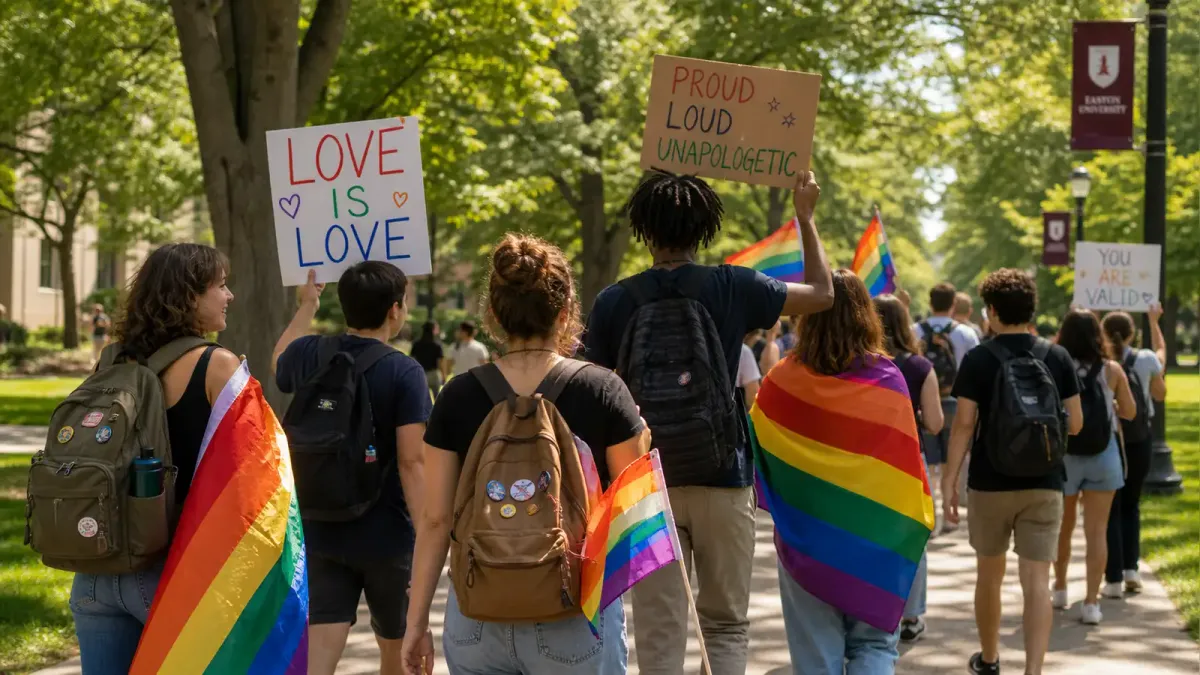
Student organizations focused on LGBTQ+ identity offer the easiest entry point into building your network. These groups let you meet other students, participate in activities, and become part of something bigger—no experience required.
Most universities have multiple LGBTQ+ groups, each with its own culture. Some welcome everyone under the LGBTQ+ umbrella. Others focus on specific experiences—trans and nonbinary students, queer people of color, queer women, or specific cultural identities.
Your First Meeting
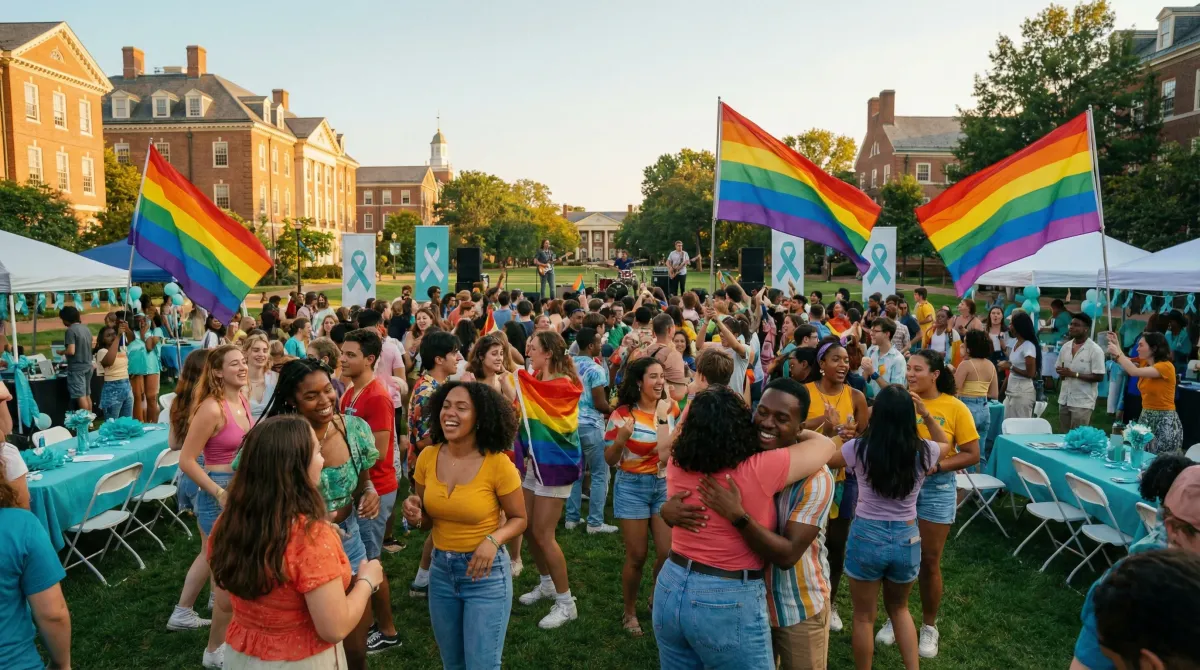
Start with introductory events. Many organizations host welcome programming at the beginning of each semester—gatherings, mixers, info sessions about the year’s plans. These events exist specifically for newcomers, so don’t feel pressure to know everything already.
When you walk in, you don’t have to share more than you’re comfortable with. Nervous about introducing yourself? That’s normal. You might just say your name and year. Or you might share why you came. Either works. Good organizations respect whatever level of openness you choose.
Regular attendance changes everything. See the same faces enough times and conversations happen naturally. Your closest college friendships—and sometimes lifelong partnerships—often start this way.
Leadership roles help you grow too. Running a club teaches you organization, communication, advocacy. But you don’t need a title to benefit. Simply showing up builds confidence in yourself and your identity.
Finding Mentors and Role Models
Mentorship represents one of the most powerful elements of a strong support network. Having access to people who have navigated similar challenges and emerged stronger provides not only practical guidance but also hope and inspiration. For LGBTQ+ students, finding mentors who understand the specific complexities of identity-based experiences can be especially valuable.
Mentorship within LGBTQ+ communities takes many forms. Formal mentorship programs, sometimes run through LGBTQ+ centers or student organizations, match newer students with more experienced ones based on shared interests, identities, or goals. These structured programs typically include regular check-in meetings and may span an entire academic year or longer.
Informal mentorship develops naturally through the relationships you build within organizations, classes, or other campus contexts. A senior student who shares wisdom about navigating difficult courses, a graduate student who offers perspective on identity and career, or a peer who simply listens and provides support during challenging moments—all of these relationships contribute to your mentorship network.
When seeking mentors, look for people who demonstrate both the qualities you admire and an understanding of LGBTQ+ experiences. Effective mentors are those who listen more than they lecture, who encourage your growth without imposing their own expectations, and who are honest about both the challenges and rewards of the paths they’ve taken. Don’t be discouraged if your first attempt at finding a mentor doesn’t result in a perfect match—the right mentor relationship often develops over time through multiple interactions.
Being a mentor to others is also valuable, even as you’re seeking guidance yourself. Sharing your own experiences with newer students creates meaning for you while simultaneously supporting someone else. Many students find that the process of mentoring others helps them process and understand their own experiences more deeply.
Building Connections Across Academic Departments
While LGBTQ+-specific organizations form the core of many students’ support networks, building connections across academic departments expands your web of support in important ways. Faculty members, academic advisors, and peers within your major can provide discipline-specific guidance and create opportunities that extend beyond identity-based community.
Many universities now have LGBTQ+ faculty and staff associations or informal networks of affirming educators. These groups can help you identify professors who are known allies and supporters of LGBTQ+ students, making it easier to find mentors within your academic field. Reaching out to faculty members—even those you haven’t had in class—can lead to valuable mentorship relationships and research opportunities.
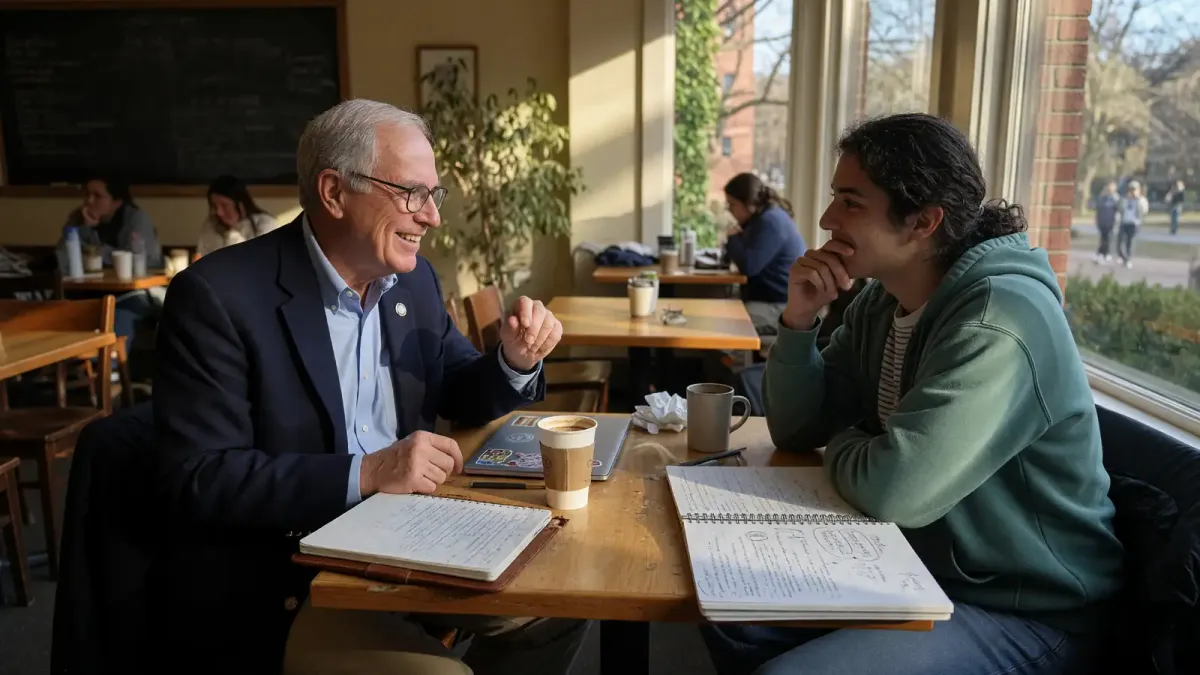
When connecting with faculty, start with genuine interest in their work. Attend their office hours, ask thoughtful questions about course material or their research areas, and express interest in learning more about their field. These interactions naturally develop into relationships that can evolve into mentorship over time.
Within your major, look for other LGBTQ+ students or allies who share your academic interests. Study groups, research collaborations, and academic organizations can all become contexts for building meaningful relationships that combine personal connection with shared intellectual pursuits. These relationships often prove especially valuable because they connect you with people who understand both your academic challenges and your identity experiences.
Graduate students within your department can be particularly valuable connections. They have recent experience navigating the challenges you’re currently facing and often have more time and flexibility to connect than busy faculty members. Many graduate students are eager to support undergraduates and may become informal mentors, recommending courses, sharing insights about graduate school applications, or simply offering a listening ear during difficult times.
Engaging with Online Communities
Digital connections have become an increasingly important component of support networks, particularly for LGBTQ+ students who may not have access to thriving in-person communities or who prefer the accessibility that online spaces provide. Online communities offer the ability to connect with others regardless of geography, schedule constraints, or comfort levels with in-person gatherings.
Social media platforms host vibrant LGBTQ+ communities where students share experiences, ask questions, and offer support to one another. Following accounts focused on LGBTQ+ topics, participating in discussions, and engaging with content that resonates with your experiences can help you feel connected to a broader community. Many students find that these online connections complement rather than replace in-person relationships.
Discord servers dedicated to LGBTQ+ student communities offer real-time conversation and often include dedicated channels for discussing specific topics, seeking advice, or simply socializing with others who share similar experiences. These communities range from general LGBTQ+ spaces to those focused on particular identities, interests, or geographic regions. Finding one or two communities where you feel comfortable participating regularly can provide consistent connection and support.
Online communities also offer access to perspectives and experiences from LGBTQ+ individuals beyond your immediate campus environment. Connecting with students at other universities, hearing from LGBTQ+ professionals in various fields, and engaging with activists and advocates can expand your sense of what’s possible and expose you to diverse approaches to navigating identity and life.
When engaging online, remember to practice the same boundaries and self-care you would apply to in-person interactions. Not all online spaces are healthy or supportive, and it’s okay to leave communities that don’t serve you well. Look for spaces that are moderated, that encourage respectful dialogue, and that center the experiences and voices of LGBTQ+ individuals themselves.
Connecting with Supportive Faculty and Staff
Beyond LGBTQ+-specific spaces, building relationships with supportive faculty and staff members across campus creates another layer of your support network. These relationships can provide guidance, advocacy, and practical assistance that enhance your academic success and personal wellbeing.
Identifying supportive faculty begins with observation and research. Pay attention to which professors use inclusive language, who displays visible signs of allyship such as safe zone stickers or pronoun displays, and who responds thoughtfully to discussions of diversity and inclusion. University LGBTQ+ centers often maintain lists of known allies, and student organizations may have recommendations based on members’ experiences.
The process of building faculty relationships typically begins with academic engagement. Attend class regularly, participate thoughtfully in discussions, and demonstrate genuine interest in the material. Visiting office hours is one of the most effective ways to develop relationships with professors—these sessions provide dedicated time for one-on-one conversation and allow you to discuss ideas in greater depth than class time permits.
When you do connect with faculty members, consider sharing aspects of your identity or experiences that are relevant to your academic work. Many professors welcome the opportunity to support students’ whole selves rather than just their academic personas. You might discuss how your identity informs your interest in certain topics, seek guidance on navigating challenges related to your identity, or simply mention your involvement in LGBTQ+ organizations.
Staff members beyond faculty also contribute valuable support to LGBTQ+ students. Academic advisors can help you navigate course selection and graduation requirements with awareness of your specific needs. Career counselors can provide guidance on finding affirming workplaces. Counselors at student health centers offer mental health support from professionals who understand LGBTQ+ experiences. Each of these relationships adds to your network of support.
Utilizing Student Services and Support Centers
Most universities offer a range of services and centers specifically designed to support LGBTQ+ students, as well as broader resources that can address various aspects of your wellbeing. Learning about and utilizing these resources ensures you have access to comprehensive support throughout your college experience.
LGBTQ+ centers, when available, serve as hubs for community building, resource provision, and advocacy on campus. These spaces typically offer programming such as support groups, educational workshops, and social events; maintain libraries of LGBTQ+ literature and resources; provide referrals to affirming services both on and off campus; and sometimes offer individual support through dedicated staff members.
Counseling centers represent another crucial resource, particularly for students dealing with challenges related to their identity. Many universities have counselors who specialize in LGBTQ+ concerns or who have received specific training in supporting these students. Even if your university’s counseling center doesn’t have designated LGBTQ+ specialists, seeking support from any counselor is often beneficial, and you can inquire about providers’ experience and approach.
Health services, including both physical health and wellness resources, should also be part of your support network. Finding affirming healthcare providers is important for routine care as well as for specific needs such as gender-affirming care, sexual health services, or mental health support. University health services vary in their capacity to provide these services, but staff should be trained in creating welcoming environments for LGBTQ+ patients.
Many universities also offer resources specifically for students navigating name and gender marker changes, dealing with family rejection, or facing discrimination. These might include emergency funds, housing assistance, or advocacy support. Knowing what resources exist—even if you don’t immediately need them—helps you feel prepared and supported.
Support groups, whether through the LGBTQ+ center, counseling center, or student organizations, provide structured opportunities to connect with peers who share similar experiences. These groups range from general LGBTQ+ support to focused gatherings for specific identities or situations. Participating in a support group can normalize your experiences, provide practical strategies from others who’ve faced similar challenges, and create connections that extend beyond the group meetings themselves.
Creating Your Personal Safe Spaces
While building community connections, it’s equally important to cultivate personal “safe spaces”—physical environments, practices, and relationships that provide respite and affirmation in your daily life. These personalized sanctuaries complement your broader network with consistent, reliable comfort.
Your living environment significantly impacts your wellbeing. If campus housing offers roommate matching based on identity or lifestyle preferences, consider using this option to find compatible roommates. When selecting classes, you might prioritize sections where instructors are known to be affirming. In social spaces, seek out venues and events where you feel comfortable being yourself.
Personal practices also contribute to your sense of safety and wellbeing. This might include regular check-ins with trusted friends, journaling about your experiences, engaging in creative expression that honors your identity, or simply scheduling downtime to recharge when needed. What constitutes a safe space varies from person to person—pay attention to what makes you feel most comfortable and supported.
Digital spaces can serve as personal safe zones as well. Creating social media feeds that center affirming content, following LGBTQ+ creators and voices, and curating online environments that uplift rather than drain you all contribute to digital wellbeing. At the same time, setting boundaries with content or interactions that trigger negative feelings protects your mental health.
Relationships with chosen family—individuals who provide unconditional love and support regardless of biological connection—often become the most significant personal safe spaces for LGBTQ+ individuals. These relationships might develop from friendships formed through organizations, connections made in classes or residence halls, or bonds with mentors and advisors. Cultivating these chosen family relationships with intention and care helps build your personal support network.
Starting Small: Taking the First Steps
Building a support network doesn’t require dramatic gestures or immediate total openness. In fact, the most sustainable networks often develop through small, consistent actions taken over time. If the idea of building community feels overwhelming, remember that meaningful connections often begin with single, manageable steps.
Attending your first meeting or event might feel intimidating, but showing up is often the hardest part. You don’t need to share deeply personal information or become immediately involved in leadership. Simply being present, observing, and returning repeatedly builds familiarity that naturally develops into connection.
Starting conversations with fellow students, whether in organizations, classes, or other contexts, requires only simple greetings and genuine curiosity. Asking about someone’s experience with a class, their involvement in organizations, or their interests opens doors to conversation without requiring vulnerability about your own identity.
Joining online communities offers an even lower-stakes entry point for building connection. Lurking—reading without posting—is perfectly valid and can help you understand community norms before participating. When you do feel ready to engage, even small contributions such as responding to others’ posts or asking questions can initiate connections.
Setting small, specific goals helps build momentum over time. Rather than resolving to “make lots of friends,” try committing to attending one organization meeting per week, introducing yourself to one new person at each event, or messaging one peer from class to study together. These concrete, achievable goals lead to gradual but lasting connection.
Being patient with yourself and the process matters. Building meaningful support networks takes time—sometimes months or even years. Don’t be discouraged if connections don’t form immediately or if early attempts don’t result in the relationships you hoped for. Every interaction contributes to your skill and comfort, and the right connections often develop when you least expect them.
Embracing the Journey of Connection
As you work to build your support network, remember that this process is not just a means to an end but an integral part of your college experience and personal growth. The connections you cultivate will shape not only your time in school but also your understanding of yourself and your place in the world.
The LGBTQ+ community has always understood the power of chosen family and intentional connection. Historically, when biological families rejected LGBTQ+ individuals, communities came together to provide what blood relations wouldn’t—acceptance, support, and belonging. By building your own network of support, you participate in this tradition of care and connection.
Some of the connections you build will be deep and lasting, evolving into friendships or even chosen family that sustain you for years to come. Others will be more casual but still meaningful—classmates who become study partners, organization members who become event companions, online contacts who become sources of perspective and support. Each connection contributes something to your life.
As you grow more connected, consider how you might contribute to strengthening the network for others. Welcoming newcomers, offering mentorship to newer students, and creating spaces where others can find belonging all expand the support available to everyone in the community. The generosity you show now will be repaid as others welcome and support those who come after you.
You Are Not Alone
If you’re reading this guide and feeling isolated, overwhelmed, or uncertain about how to begin building connections, please know that your feelings are valid and shared by many others. The very fact that you’re seeking resources and strategies for building support demonstrates courage and self-care—qualities that will serve you well in all your relationships.
The journey toward connection may not always be linear. There will be moments of doubt, experiences that don’t go as hoped, and periods when building community feels like too much effort. In those moments, remember that reaching out—even in small ways—matters. A single conversation, a single meeting attended, a single message sent can begin a connection that changes everything.
Every LGBTQ+ student deserves to feel seen, supported, and celebrated. Every person deserves a community where they can be entirely themselves. The resources, organizations, and potential connections described in this guide exist because countless individuals recognized this need and worked to address it. Now it’s your turn to join in building these communities.
Your support network is waiting to be built, filled with people who will understand, affirm, and stand with you. Some of them you haven’t met yet, but they exist—on your campus, in your organizations, across the digital spaces where LGBTQ+ communities gather. The first step is simply to begin.
You don’t have to build this network alone, and you shouldn’t try to. The strength of LGBTQ+ communities has always come from our understanding that together, we are far more powerful than we could ever be apart. As you take your first steps toward connection, know that you are joining a tradition of resilience, care, and chosen family that has sustained generations before you and will continue long after.
Your community is out there. Your mentors are waiting to meet you. Your chosen family is forming, one connection at a time. The only thing left to do is begin.