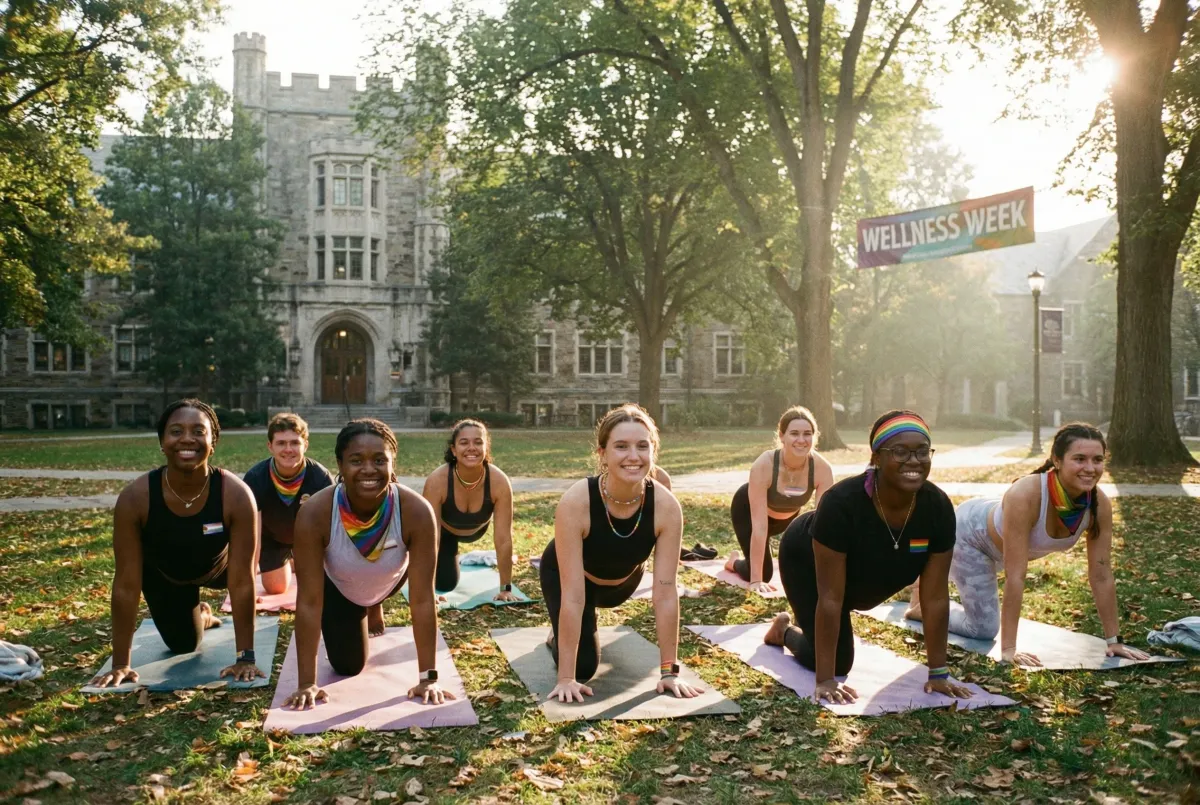
Self-Care Under Minority Stress: Mental Health Daily Practices for LGBTQ+ Students
You’re not just dealing with regular college stress. You’re navigating a world that questions your existence, misgenders you, excludes you, and sometimes hates you. That exhaustion you feel? It has a name.
It’s called minority stress. And it’s real.
This guide provides evidence-based self-care strategies specifically designed for LGBTQ+ students living under systemic pressure. Because self-care isn’t selfish—it’s survival.
Part 1: Understanding Minority Stress
What Is Minority Stress?
Definition: Minority stress refers to the additional, chronic stress that members of stigmatized minority groups experience based on their identity.
Proposed by: Ilan Meyer (2003), who documented its specific impact on LGBTQ+ mental health
Key insight: It’s not just “stress.” It’s systemic, identity-based, and cumulative.
Types of Minority Stress
External Stressors (From Outside)
Discrimination Experiences:
- Verbal harassment (“That’s so gay”)
- Physical threats or violence
- Institutional discrimination (policies, rules)
- Being denied services or opportunities
Microaggressions:
- “You don’t look gay”
- Wrong pronouns used repeatedly
- Being asked invasive questions
- Assumptions about your relationships
Violence Threat:
- Fear of hate crimes
- Hypervigilance in public spaces
- Worry about holding your partner’s hand
- Scanning rooms for safety
Internal Stressors (From Inside)
Expected Rejection:
- Constant vigilance (“Will they accept me?”)
- Social anxiety in new situations
- Preparing for the worst
- Exhaustion from always being “on guard”
Internalized Stigma:
- Believing negative messages about LGBTQ+ people
- Self-hatred or shame
- “Maybe something is wrong with me”
- Difficulty accepting your own identity
Concealment:
- Hiding your identity in certain spaces
- Code-switching between environments
- Living a “double life”
- Fear of being “found out”
Minority Stress in 2025-2026
New Stressors:
- Anti-LGBTQ+ legislation increasing
- Campus DEI office closures
- Hostile public discourse
- Media negativity cycle
- Social media pressure
The Trevor Project 2025 Findings:
- Anxiety and depression significantly increased 2023-2025
- Transgender and nonbinary youth show highest rates
- 41% of LGBTQ+ youth seriously considered suicide
- 54% reported current substance use (higher among those experiencing discrimination)
Part 2: Why Self-Care Matters for LGBTQ+ Students
The Science Behind Self-Care
Self-Compassion vs. Self-Esteem: Research by Dr. Kristin Neff shows self-compassion is more stable than self-esteem because:
- It doesn’t depend on external validation
- It’s available during difficult times
- It acknowledges suffering without judgment
Neuroscience Perspective: Self-care practices activate the brain’s caregiving system, which:
- Reduces threat response
- Lowers cortisol (stress hormone)
- Increases oxytocin (bonding hormone)
- Creates feelings of safety and connection
LGBTQ+-Specific Research
Studies show self-care:
- Buffers the impact of discrimination
- Increases psychological resilience
- Reduces depression and anxiety symptoms
- Improves overall life satisfaction
Key finding: Self-care isn’t a luxury for LGBTQ+ people—it’s a protective factor against minority stress.
Why Regular Self-Care Advice Doesn’t Work
Typical self-care advice assumes:
- You live in a supportive environment
- Your identity isn’t under attack
- Stress is occasional, not chronic
- “Just relax” is possible
LGBTQ+ reality:
- You may face daily invalidation
- Your identity is constantly questioned
- Stress is chronic and systemic
- Relaxation requires safety first
This guide offers: LGBTQ+-specific self-care that acknowledges your reality.
Part 3: Daily Self-Care Practices (5-10 Minutes)
Morning Practices
Intention Setting (2 minutes)
Ask yourself:
- “How do I want to treat myself today?”
- “What do I need to feel safe today?”
- “What would support look like for me?”
Write down 1-2 intentions:
- “Today I will honor my identity”
- “Today I will take breaks when needed”
- “Today I will use my correct pronouns, even if only with myself”
Body Scan (3 minutes)
Process:
- Close your eyes or soften your gaze
- Starting at your head, notice sensations
- Move slowly through your body
- Don’t try to change anything—just notice
- Thank your body for what it does
Affirmation: “My body carries me through the world. It deserves kindness.”
Affirmation Practice (2 minutes)
Choose 1-3 affirmations:
- “My identity is valid”
- “I deserve respect”
- “I am not too sensitive”
- “Their ignorance is not my burden”
- “I am not alone”
- “My feelings make sense”
Say them:
- In the mirror
- While brushing your teeth
- As you walk to class
- When you need reinforcement
Midday Check-Ins
Breathing Space (3 minutes)
4-7-8 Breathing:
- Inhale through your nose for 4 counts
- Hold for 7 counts
- Exhale through your mouth for 8 counts
- Repeat 3-4 times
Effect: Activates parasympathetic nervous system (rest and digest)
Emotion Labeling (1 minute)
Ask:
- “What am I feeling right now?”
- “Where do I feel it in my body?”
- “What triggered this?”
Example: “I’m feeling anxious. My chest is tight. That professor misgendering me triggered this.”
Why it works: Naming emotions reduces their intensity (UCLA research)
Movement Break (5 minutes)
Options:
- Walk around the block
- Stretch at your desk
- Dance to one song
- Do 10 jumping jacks
Remember: Movement isn’t about punishment or weight. It’s about reconnecting with your body.
Evening Reflection
Gratitude Practice (5 minutes)
Write down 3 things:
- One thing you’re grateful for today
- One thing you did well today
- One thing you appreciate about yourself
Examples:
- “I’m grateful for my friend who used my correct pronouns”
- “I did well speaking up in class”
- “I appreciate my resilience”
Release Exercise (5 minutes)
Process:
-
Write down one thing you want to release from today
- A comment that hurt you
- A mistake you made
- A worry about tomorrow
-
Acknowledge it: “This is heavy. I don’t need to carry it.”
-
Symbolically release it:
- Tear up the paper
- Burn it safely
- Throw it away with intention
-
Say: “I release this. It doesn’t belong to me.”
Sleep Preparation (15-30 minutes)
Reduce Screen Time:
- Blue light disrupts melatonin
- Social media can trigger anxiety
- Set a digital curfew
Create a Ritual:
- Warm shower or bath
- Gentle stretching
- Reading (nothing triggering)
- Calming music or sounds
Affirmation for Sleep: “I am safe. I am loved. I can rest now.”
Part 4: Weekly Deep Practices (30-60 Minutes)
Self-Compassion Meditation
Guided Resources:
- Kristin Neff’s website: Free self-compassion meditations
- Insight Timer app: LGBTQ+-specific meditations
- UCLA Mindful Center: Free guided meditations
Simple Practice:
- Find a comfortable position
- Place hand over heart (activates caregiving system)
- Breathe naturally
- Repeat: “May I be kind to myself. May I accept myself as I am.”
- Continue for 10-20 minutes
Creative Expression
Journal Writing
Prompts:
- “Dear younger me, I want you to know…”
- “What I need to hear right now is…”
- “My identity means to me…”
- “A letter to someone who doesn’t understand…”
Free Writing: Set timer for 10-15 minutes. Write without stopping, editing, or judging. Let everything come out.
Art Creation
Options:
- Coloring (adult coloring books are valid!)
- Drawing or painting
- Collage making
- Digital art
Remember: It’s not about skill. It’s about expression.
Music
Create:
- Write songs or lyrics
- Play an instrument
- Make playlists for different moods
Use:
- Calming playlists for anxiety
- Empowering playlists for confidence
- Sad playlists for processing grief
Body Care
Exercise That Honors Your Body
Find What You Enjoy:
- Walking or hiking
- Swimming
- Yoga (look for LGBTQ+-affirming studios)
- Dance (alone or in community)
- Weight training (queer-friendly gyms)
Avoid:
- Exercise as punishment
- Toxic fitness culture
- Comparing yourself to others
Focus on:
- How movement feels
- What your body can do
- Joy and strength, not appearance
Intuitive Eating
Principles:
- Eat when hungry
- Stop when full
- No foods are “bad”
- Food is not moral
LGBTQ+ Note: Eating disorders are higher in LGBTQ+ community. Seek support if you struggle.
Rest
Permission Slips:
- “I give myself permission to rest today”
- “I don’t have to be productive to be valuable”
- “Rest is part of the work”
Types of Rest:
- Physical rest (sleep, naps)
- Mental rest (no screens, quiet)
- Emotional rest (safe people, no performing)
- Creative rest (consume art, don’t create)
Part 5: Crisis Self-Care
Recognizing Crisis Signs
Contact a professional if you’re experiencing:
- Persistent hopelessness
- Increasing suicidal thoughts
- Substance use to cope
- Unable to function daily
- Self-harm urges
Immediate Coping Strategies
Grounding Technique (5-4-3-2-1)
When you feel overwhelmed or dissociated:
-
5 things you can see
- “I see the ceiling. I see my hands. I see the door…”
-
4 things you can touch
- “I feel the chair. I feel my clothes. I feel the floor…”
-
3 things you can hear
- “I hear traffic. I hear birds. I hear my breath…”
-
2 things you can smell
- “I smell soap. I smell the air…”
-
1 thing you can taste
- “I taste my coffee. I taste my mouth…”
Why it works: Brings you back to present moment
Safety Plan
Create when you’re calm:
-
Warning signs: What indicates you’re heading toward crisis?
- Not sleeping
- Isolating
- Increased substance use
-
Internal coping strategies: What can you do alone?
- Breathing exercises
- Grounding techniques
- Watching comfort shows
-
Social contacts: Who can you reach out to?
- Friend 1: [name, number]
- Friend 2: [name, number]
- Family member: [name, number]
-
Professional resources:
- Therapist: [name, number]
- Crisis line: 988 or Trevor Project
- Campus counseling: [number]
-
Making environment safe:
- Remove means of self-harm
- Go to public space
- Stay with someone
Crisis Resources (24/7)
The Trevor Project:
- Phone: 1-866-488-7386
- Text: START to 678678
- Chat: thetrevorproject.org
- For: LGBTQ+ young people under 25
Trans Lifeline:
- Phone: 1-877-565-8860
- Run by: Trans people
- For: Trans people in crisis
988 Suicide & Crisis Lifeline:
- Call or text: 988
- LGBTQ+ option available
- Multiple languages
Crisis Text Line:
- Text: HOME to 741741
- Trained crisis counselors
- Available 24/7
Part 6: Building Support Networks
Why Support Networks Matter
Research shows:
- Social support buffers minority stress
- Reduces depression and anxiety
- Increases resilience
- Provides practical help
Key insight: You weren’t meant to carry this alone.
Layers of Support
Layer 1: Intimate Support (1-3 people)
Characteristics:
- Completely trust these people
- Can be fully yourself
- They provide deep emotional support
Who might this include:
- Partner or significant other
- Best friend(s)
- Family member(s) who affirm you
- Therapist
Layer 2: Friend Network (5-15 people)
Characteristics:
- Shared interests
- Social activities
- Mutual support
Who might this include:
- Classmates
- Members of student organizations
- Friends from work or activities
Layer 3: Community Connection
Characteristics:
- Shared identity or interests
- Regular interaction
- Sense of belonging
Examples:
- LGBTQ+ student organization
- Intramural sports team
- Religious/spiritual community (if affirming)
- Online communities
Layer 4: Professional Support
Characteristics:
- Trained to help
- Confidential
- Objective perspective
Examples:
- Therapist/counselor
- Support group facilitator
- Mentor
- Academic advisor
How to Build Your Network
On Campus
Join LGBTQ+ Organizations:
- Pride alliance
- Transgender support group
- Queer student union
- GSAs
Take Related Courses:
- LGBTQ+ studies
- Gender studies
- Build academic community
Find Mentors:
- LGBTQ+ faculty members
- Graduate student mentors
- Alumni network
Off Campus
Community Organizations:
- PFLAG youth groups
- Local LGBTQ+ center
- Youth groups
- Volunteer organizations
Online Communities:
- TrevorSpace (ages 13-24)
- Reddit LGBTQ+ communities
- Discord servers
- Twitter LGBTQ+ communities
Maintaining Support Networks
Regular Contact:
- Schedule check-ins
- Don’t only reach out in crisis
- Celebrate others’ wins too
Reciprocal Support:
- Ask for help
- Offer help when you can
- It’s okay if balance shifts over time
Healthy Boundaries:
- You don’t have to be available 24/7
- It’s okay to say no
- Communicate your limits
Part 7: Finding Professional Mental Health Support
How to Find LGBTQ+-Affirming Therapists
Search Strategies
Online Directories:
- Inclusive Therapists: inclusivetherapists.com
- Psychology Today: Filter by “LGBTQ+ affirmative”
- ADAA: adaa.org (find LGBTQ+ therapists)
- Therapy for Queer People of Color: therapyforqtpoc.com
Campus Resources:
- Counseling center
- LGBTQ+ center referrals
- Student health services
- Psychology training clinics
Personal Recommendations:
- Ask friends
- Ask LGBTQ+ organizations
- Ask your doctor
Screening Questions
Ask potential therapists:
- “What experience do you have with LGBTQ+ clients?”
- “Do you identify as LGBTQ+ or as an ally?”
- “How do you incorporate affirmation into your practice?”
- “Have you worked with clients dealing with [your specific concerns]?”
Red flags:
- Hesitation about LGBTQ+ topics
- Suggesting your identity is the problem
- Unwillingness to use correct pronouns
- Conversion therapy practices (illegal in many states)
Affordable Options
Insurance Coverage
Check:
- Mental health benefits
- Copay amounts
- Deductible status
- In-network providers
Low-Cost Options
Campus Counseling:
- Often free for enrolled students
- May have session limits
- Usually short-term
Community Mental Health Centers:
- Sliding scale fees
- Accept Medicaid
- Serve uninsured clients
Training Clinics:
- Graduate psychology programs
- Supervised trainees
- Very low cost
Online Therapy:
- BetterHelp
- Talkspace
- Some offer LGBTQ+ specific services
Free Resources
Crisis Lines: (listed above)
Support Groups:
- Peer-led
- Organization-sponsored
- Often free or donation-based
Warm Lines:
- Non-crisis support
- Peer support
- Available in some areas
Teletherapy Benefits
Advantages:
- Larger provider pool
- Privacy (no waiting room)
- Convenience
- Access to LGBTQ+ specialists
Platforms:
- Psychology Today (filter for telehealth)
- Inclusive Therapists
- Direct provider websites
Part 8: Balancing Systemic Change and Personal Care
Why Both Matter
Personal care alone isn’t enough:
- Self-care can’t eliminate discrimination
- Systemic change is necessary
- Individual resilience shouldn’t excuse oppression
But waiting for systemic change isn’t enough either:
- You need to survive now
- Personal care sustains activism
- Burnout helps no one
Balance: Take care of yourself while fighting for change.
Sustainable Activism
Set Achievable Goals
Instead of:
- “Eliminate all LGBTQ+ discrimination”
Try:
- “Attend one city council meeting this semester”
- “Start a campus support group”
- “Share resources with three friends”
Why: Small wins build momentum and prevent burnout
Share Responsibilities
In organizations:
- Rotate leadership roles
- Create teams for tasks
- Don’t let one person carry everything
Why: Collective action is more sustainable
Celebrate Small Victories
Track progress:
- Policy changes (even small ones)
- Increased visibility
- New resources
- People reached
Why: Hope requires evidence
Avoiding Burnout
Signs of Burnout
- Constant exhaustion
- Cynicism about progress
- Physical symptoms (headaches, illness)
- Strained relationships
- Declining performance
Prevention Strategies
Regular Rest:
- Schedule breaks
- Take weekends off from activism
- Vacations without email
Diverse Identity:
- You’re more than an activist
- Maintain non-activist friendships
- Have hobbies unrelated to LGBTQ+ issues
Community Care:
- Check in with each other
- Create joy spaces (not just meeting spaces)
- Celebrate together
Collective Care
Principles:
- We take care of each other
- Resources are shared
- No one is left behind
- Joy is resistance
Practices:
- Mutual aid funds
- Meal trains for struggling members
- Childcare at events
- Mental health days normalized
Part 9: Resource Summary
Crisis Support (24/7)
| Resource | Contact | For |
|---|---|---|
| The Trevor Project | 1-866-488-7386, text START to 678678 | LGBTQ+ youth under 25 |
| Trans Lifeline | 1-877-565-8860 | Trans people, by trans people |
| 988 Lifeline | Call/text 988 | Anyone in crisis |
| Crisis Text Line | Text HOME to 741741 | Anyone in crisis |
Self-Help Resources
Books:
- Care Work: Dreaming Disability Justice by Leah Lakshmi Piepzna-Samarasinha
- The Care We Dream Of by Zenobia Jeffries Warfield
- Self-Compassion by Dr. Kristin Neff
- Radical Self-Care by Alexis Sakamoto
Apps:
- Insight Timer (meditation)
- Calm (sleep and relaxation)
- Headspace (mindfulness)
- MyStrength (mental health tools)
Websites:
- Mental Health America (LGBTQ+): mhanational.org/lgbtq
- NAMI (LGBTQI): nami.org/Your-Journey/Identity-and-Cultural-Dimensions/LGBTQI
- The Trevor Project (resources): thetrevorproject.org/resources
Campus Resources
- LGBTQ+ Student Center
- Counseling Services
- Health Center
- Disability Resource Center (for accommodations)
- Title IX Office
Final Thoughts: Toward Thriving
From Surviving to Thriving
You deserve more than survival. You deserve to:
- Feel joy without guilt
- Love without fear
- Exist without apology
- Thrive, not just endure
A Message of Hope
Research shows:
- LGBTQ+ youth with one affirming adult have 40% lower suicide risk
- Community connection reduces depression
- Self-care practices increase resilience
- Things do get better—not automatically, but with work
You Are Not Alone
Millions of LGBTQ+ people have walked this path. We are here. We are waiting. We are ready to support you.
Remember
- Asking for help is courage, not weakness
- Your identity is beautiful, not broken
- Your mental health matters
- You deserve care
- You belong here
You are worthy of love, exactly as you are. Start treating yourself that way.
One breath. One day. One act of kindness to yourself at a time.