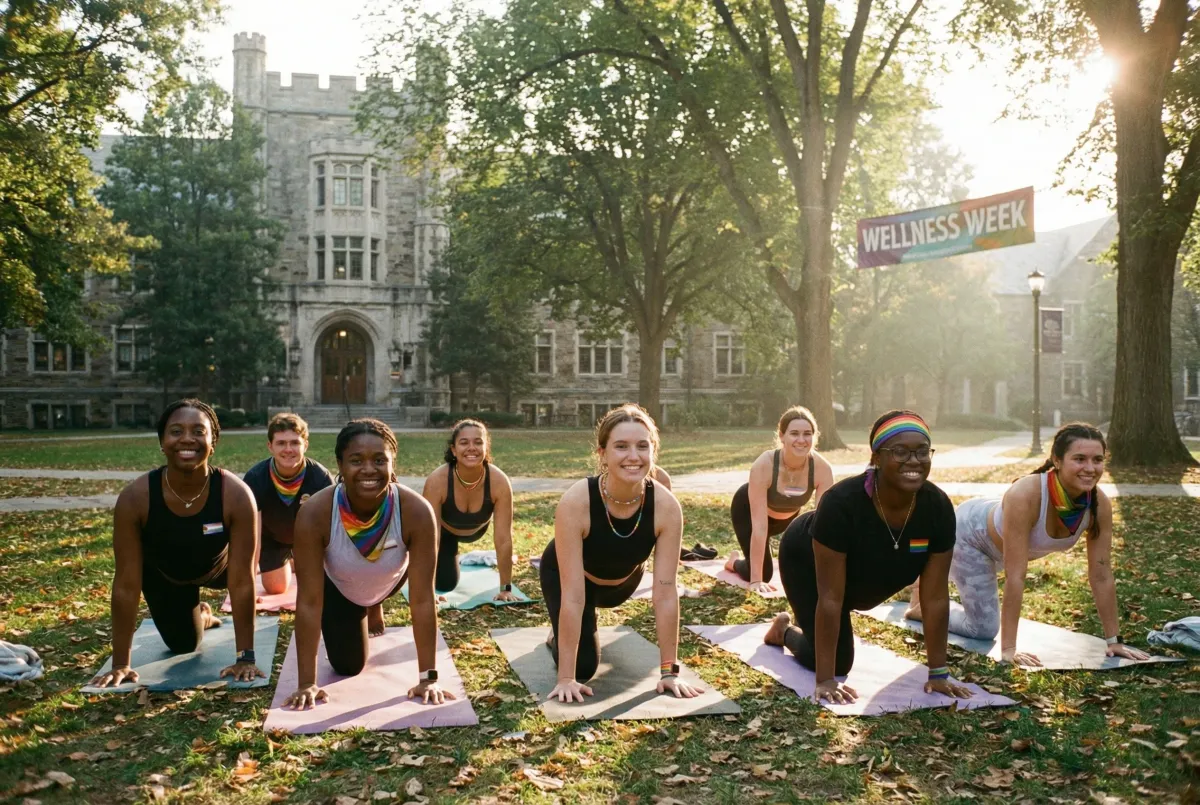
Wellness is not simply the absence of illness—it is a dynamic state of thriving in all dimensions of life. For LGBTQ+ students, achieving holistic wellness involves navigating unique challenges while also tapping into strengths that our communities have developed through resilience, creativity, and chosen family. This guide explores the multiple dimensions of wellness and offers practical strategies for thriving throughout your college journey.
Understanding LGBTQ+ Student Wellness
LGBTQ+ students face specific health challenges that warrant targeted attention and care. Research consistently documents disparities in both physical and mental health outcomes for LGBTQ+ populations, rooted in the chronic stress of minority identity experiences.
The Minority Stress Model
Understanding minority stress helps explain why LGBTQ+ people often experience elevated health challenges:
- Discrimination and Microaggressions: Repeated experiences of prejudice, whether overt or subtle, accumulate over time and impact both mental and physical health.
- Identity Concealment: Hiding significant aspects of yourself creates ongoing psychological strain.
- Internalized Stigma: Internalizing negative messages about LGBTQ+ people can lead to self-stigma, impacting self-esteem and mental health.
- Anticipated Rejection: Expecting rejection, even before it happens, creates chronic stress responses.
- Lack of Access to Affirming Care: When healthcare providers lack LGBTQ+ competency, students may avoid seeking care entirely.
While minority stress creates real health challenges, recognizing this framework also illuminates paths to wellness: reducing stress, building resilience, accessing affirming care, and fostering connection all counterbalance these pressures.
Strengths in Our Community
LGBTQ+ people also bring specific strengths that support wellness:
- Resilience and Adaptability: Navigating identity has built skills in adapting to challenges and finding creative solutions.
- Chosen Family: The practice of creating intentional support networks provides emotional resources that buffer stress.
- Community Consciousness: Connection to a broader LGBTQ+ community offers cultural knowledge, historical perspective, and practical guidance.
- Authenticity Practices: Many LGBTQ+ people have developed skills in self-reflection and living authentically that support long-term wellbeing.
Mental Wellness
Mental wellness encompasses emotional, psychological, and social wellbeing. It affects how we think, feel, and act, and influences how we handle stress, relate to others, and make choices.
Common Mental Health Concerns
LGBTQ+ students may experience elevated rates of certain mental health challenges:
Depression: Feelings of persistent sadness, hopelessness, or loss of interest in activities. LGBTQ+ students may experience depression related to discrimination, isolation, family rejection, or identity-related stress.
Anxiety: Excessive worry, fear, or nervousness that can interfere with daily functioning. LGBTQ+ students may experience generalized anxiety, social anxiety around disclosure, or specific anxieties related to safety and acceptance.
Minority Stress: The chronic stress of navigating discrimination, stigma, and identity concealment can manifest in various mental and physical symptoms.
Trauma: Higher rates of adverse experiences, including harassment, violence, and family rejection, mean many LGBTQ+ students have trauma histories that affect their current wellbeing.
Building Mental Wellness
Regardless of whether you’re experiencing clinical concerns, these practices support mental wellness:
Professional Support: When mental health challenges interfere with daily functioning, professional help makes a difference. Counselors, therapists, and psychiatrists can provide evidence-based interventions that support healing and growth.
Self-Awareness: Developing awareness of your emotional patterns helps you respond to your needs more effectively. Journaling, meditation, or talking with trusted friends can build this awareness.
Boundary Setting: Learning to say no to requests that drain you and yes to opportunities that energize you protects your mental energy.
Cognitive Reframing: Challenge negative thought patterns that may stem from internalized stigma. Practice noticing and questioning thoughts like “I don’t deserve support” or “Being queer is a burden.”
Celebration and Joy: Actively cultivating joy, celebration, and pleasure in your life counters the focus on struggle that can characterize LGBTQ+ experiences.
Crisis Resources
If you or someone you know is experiencing a mental health crisis:
- The Trevor Project: 1-866-488-7386 | thetrevorproject.org
- 988 Suicide and Crisis Lifeline: Call or text 988
- Crisis Text Line: Text HOME to 741741
Physical Wellness
Physical wellness involves caring for your body through nutrition, exercise, sleep, and preventive care. For LGBTQ+ students, physical wellness also includes navigating specific healthcare needs.
Nutrition
Eating well supports energy, mood, and long-term health:
Practical Approaches: College eating environments present challenges, but small changes help:
- Aim for variety rather than perfection
- Keep easy, healthy snacks available
- Stay hydrated, especially during stressful periods
- Be gentle with yourself about the “freshman 15” or stress eating
Mindful Eating: Paying attention to hunger cues, food enjoyment, and how different foods make you feel supports a healthier relationship with food than restrictive dieting.
Financial Access: If food insecurity is a concern, many campuses have food pantries, swipe donation programs, or emergency assistance funds.
Exercise
Physical activity supports mental health, energy, sleep, and overall wellbeing:
Finding Movement You Enjoy: Exercise doesn’t have to mean the gym. Dance, sports, hiking, swimming, yoga, walking with friends, and many other activities count.
LGBTQ+-Inclusive Spaces: Some campuses have LGBTQ+-specific fitness classes or sports teams. If your campus doesn’t, look for spaces that are explicitly inclusive.
Moving Your Body Daily: Even brief movement—ten minutes of walking between classes—has health benefits.
Listening to Your Body: Rest when you need it. Pushing through pain or exhaustion can backfire.
Sleep
Quality sleep supports memory, mood, immune function, and academic performance:
Sleep Hygiene: Practices that support good sleep include:
- Consistent sleep and wake times
- Limiting screens before bed
- Keeping your sleep space cool, dark, and quiet
- Avoiding caffeine late in the day
- Using your bed primarily for sleep (not studying or scrolling)
Sleep Challenges: If anxiety or racing thoughts interfere with sleep, techniques like journaling before bed, meditation apps, or talking with a counselor can help.
Academic Pressure: It can be tempting to sacrifice sleep for studying. Remember that sleep deprivation impairs memory consolidation and academic performance; adequate sleep actually supports the learning you’re sacrificing it for.
Preventive Care
Regular check-ups catch issues early and maintain baseline health:
Campus Health Services: Most colleges have health centers that provide basic care, vaccinations, and referrals.
Routine Screenings: Depending on your age and risk factors, regular screenings for blood pressure, cholesterol, and other indicators support long-term health.
Sexual Health: LGBTQ+ students have specific sexual health needs. Finding providers knowledgeable about LGBTQ+ health ensures appropriate care.
Dental and Vision: Regular check-ups prevent problems and maintain quality of life.
Navigating LGBTQ+-Affirming Healthcare
Finding healthcare providers who understand LGBTQ+ needs is crucial:
Questions to Ask:
- Does the provider have experience with LGBTQ+ patients?
- What training have staff received on LGBTQ+ inclusion?
- Are forms inclusive of various gender identities and relationships?
- How does the provider handle insurance issues related to LGBTQ+ care?
Finding Providers:
- Campus LGBTQ+ centers often maintain provider referral lists
- GLMA’s provider directory (glma.org) offers nationwide searches
- The National Queer and Trans Therapists of Color Network connects people of color with affirming providers
- Word of mouth from other LGBTQ+ students can guide you
Self-Advocacy: If a provider doesn’t meet your needs, it’s okay to find another. You deserve affirming care.
For Transgender Students: Specific healthcare needs may include hormone therapy, gender-affirming surgeries, and related care. Finding providers experienced in transgender health is essential. Campus health centers may or may not offer these services; off-campus options are often necessary.
Social Wellness
Humans are inherently social beings, and connection is fundamental to wellness. For LGBTQ+ students, building affirming social networks is especially important.
Building Community
LGBTQ+ Organizations: Student groups provide access to peers who share your experiences. Even if you’re not ready to participate actively, attending occasional events can build connection.
Chosen Family: Many LGBTQ+ people build close networks of friends who function as family. These relationships often provide more support than biological family, particularly for those whose families have not accepted their identity.
Online Communities: For campuses with small LGBTQ+ populations, online communities can provide connection. Virtual spaces allow you to find others who share your interests and experiences.
Intersecting Identities: Communities organized around other aspects of your identity—major, religion, ethnicity, hobbies—also support wellness and provide additional connection points.
Healthy Relationships
Setting Boundaries: Healthy relationships involve respect, trust, and mutual care. Learning to identify when boundaries are needed—and how to communicate them—supports relationship health.
Communication Skills: Active listening, expressing needs clearly, and navigating conflict constructively build relationship satisfaction.
Recognizing Red Flags: Behaviors like controlling access to friends or money, verbal abuse, pressure to change your identity, or isolation from support networks indicate unhealthy dynamics.
Breakups and Loss: Relationships end, and LGBTQ+ communities—particularly chosen families—also experience loss. Grieving is part of wellness.
Managing Isolation
College can feel isolating, especially when navigating identity:
- Reach Out Proactively: Don’t wait to be reached. Initiate connections with classmates, roommates, and potential friends.
- Attend Events: Even when you don’t feel like going, attending events increases exposure to potential friends.
- Be Patient: Building friendships takes time. Multiple superficial connections often precede deeper friendships.
- Seek Support: If isolation feels overwhelming, counseling services can help you develop strategies.
Spiritual Wellness
Spiritual wellness involves finding meaning, purpose, and connection to something greater than yourself. For LGBTQ+ students, spiritual journeys often involve complex negotiations with religious traditions.
Diverse Spiritual Paths
Affirming Faith Communities: Many religious traditions have LGBTQ+-affirming branches. Metropolitan Community Churches, Reconciling Ministries in the United Methodist Church, and many other traditions welcome LGBTQ+ people fully.
Secular Spirituality: Some LGBTQ+ people find meaning through secular frameworks—humanism, environmental connection, philosophical inquiry, or simply being present to life’s experiences.
Spiritual Exploration: College is a time when many question beliefs they were raised with. This exploration, while sometimes painful, can lead to greater authenticity and peace.
Navigating Religious Trauma
Many LGBTQ+ people have experienced harm from religious communities:
Acknowledging Harm: Recognizing that you experienced religious trauma is an important step toward healing.
Therapeutic Support: Counselors experienced in religious trauma can support processing these experiences.
Finding Alternative Communities: Affirming faith communities can provide experiences of religious life that counteract harmful messages.
Your Path is Yours: You get to decide what role, if any, spirituality plays in your life. There is no right answer.
Financial Wellness
Financial stress affects every dimension of wellness. LGBTQ+ students may face unique financial challenges:
Scholarships: Several organizations offer scholarships specifically for LGBTQ+ students:
- The Point Foundation
- Pride Foundation
- National LGBTQ Task Force
- Campus-specific scholarships
Emergency Resources: Many campuses have emergency funds for students facing unexpected financial hardship.
Work-Life Balance: Balancing work with academics and wellness is challenging. If possible, prioritize academics and wellbeing over income generation.
Budgeting: Learning basic budgeting skills helps manage limited resources and reduces financial anxiety.
Academic Wellness
Academics are a primary focus of college life, and finding balance between academic success and overall wellness is crucial:
Time Management: Effective scheduling protects time for academics, social connection, self-care, and rest.
Asking for Help: Professors, tutors, writing centers, and academic advisors exist to support your success. Asking for help is a sign of strength.
Accommodations: If mental health challenges affect your academics, registering with disability services may provide accommodations that support your success.
Realistic Expectations: Perfectionism breeds anxiety and burnout. Striving for excellence while accepting imperfection supports both wellness and academic success.
Knowing Your Limits: Some semesters are harder than others. Knowing when to take a lighter load or seek incompletes protects long-term success.
Creating Your Personal Wellness Plan
Wellness is personal. What works for one person may not work for another. Creating a personal wellness plan helps you identify what supports your thriving:
Assessment
Consider each dimension of wellness:
- Mental: What supports my mental health? What challenges do I face?
- Physical: How am I caring for my body? What changes would help?
- Social: How are my relationships? What connections do I need more of?
- Spiritual: What gives my life meaning? What practices support this?
- Financial: How is my financial situation? What stressors exist?
- Academic: How am I balancing academics with other needs?
Goals
Set specific, achievable goals in each area:
- Start small—one change at a time is more sustainable than complete overhaul
- Make goals specific and measurable
- Set yourself up for success with realistic expectations
Support
Identify resources and support systems:
- Who can you talk to when you’re struggling?
- What professional support do you need?
- What campus or community resources can you access?
Review
Wellness plans are living documents:
- Check in with yourself regularly
- Adjust as your needs change
- Celebrate progress
Resources for LGBTQ+ Student Wellness
General Support:
- The Trevor Project (thetrevorproject.org) - Crisis support and resources
- It Gets Better Project (itgetsbetter.org) - Stories and resources
- Q Chat Space (qchatspace.org) - Online community for LGBTQ+ teens and young adults
Mental Health:
- GLMA Provider Directory (glma.org) - Find LGBTQ+-affirming providers
- National Queer and Trans Therapists of Color Network (nqttcn.com)
- Open Path Collective - Affordable therapy options
Physical Health:
- Campus health services
- LGBTQ+ health specialists in your area
- Planned Parenthood - Many locations offer LGBTQ+-affirming care
Community Connection:
- Campus LGBTQ+ organizations
- Local LGBTQ+ community centers
- Online communities and forums
Moving Forward
Wellness is not a destination but an ongoing practice. Some days you’ll thrive; other days you’ll simply survive. Both are part of the journey.
As an LGBTQ+ student, you bring unique strengths—resilience, authenticity, creativity, and the ability to build powerful communities of chosen family. These strengths, combined with intentional care for yourself across all dimensions of wellness, can help you not just survive but truly thrive during your college years and beyond.
You deserve wellness in all its forms. You deserve care that affirms your identity, communities that celebrate who you are, and practices that support your flourishing. Take the steps that are available to you, ask for help when you need it, and remember that seeking wellness is an act of self-respect and resistance.