Leeds Pride 2026 is expecting 60,000 attendees this weekend. It’s the city’s 20th year of Pride celebrations, and the scale tells you something about how far these events have come — from protest marches kept small by fear and police presence to city-backed festivals that shut down major streets and draw crowds that rival music festivals.
But the number that matters more than attendance is how Pride is changing. Summer 2026 is seeing a shift away from the single-day parade model toward something more distributed and community-driven. Smaller events. Specific audiences. Less corporate branding. More actual connection. The evolution is uneven — big-city Prides still draw the headlines and sponsorships — but the direction is clear, and it matters for anyone trying to build LGBTQ+ community that lasts beyond the last float.
Leeds: 20 years of growth
Leeds Pride started in 2006 as a relatively modest affair. Twenty years later, it’s drawing 60,000 people and functioning as a major economic and cultural event for the city. Public Sector Executive reported that the 2026 celebration will feature multiple stages, a parade through the city center, and community events spread across the weekend rather than compressed into a single afternoon.
The expansion of regional Pride events like Leeds reflects a broader trend: the decentralization of LGBTQ+ celebration. When Pride was concentrated in a handful of major cities — London, New York, San Francisco — attending meant travel, expense, and often discomfort for people who weren’t out or weren’t ready to be surrounded by that many people. Regional Prides lower the barrier. You can attend without booking a flight. You can go with people you know. You can leave when you need to and come back when you’re ready.
The 20-year milestone is significant for another reason. It means Leeds Pride has now existed long enough that there are adults attending who weren’t born when the first parade happened. The event has outlasted the political administrations that might have opposed it, the cultural shifts that questioned its relevance, and the funding crises that kill most community initiatives within a decade. Longevity is its own form of legitimacy. When something has been happening for 20 years, it stops being an experiment and becomes a permanent part of the city’s identity. New residents moving to Leeds don’t ask “is there a Pride here?” They already know there is, because it’s woven into what the city is. That kind of institutional staying power is rare in LGBTQ+ organizing, where burnout, funding gaps, and political hostility routinely kill off organizations before they reach their fifth anniversary.
WerQfest: celebrating Black queer excellence
WerQfest 2026, held in St. Louis and covered by DELUX Magazine, represents another evolution in Pride programming. The festival focuses specifically on Black queer excellence — music, community, and what the organizers describe as “unapologetic self-expression.” It’s not a general Pride event with a diversity committee. It’s a space built by and for Black queer people, with programming that reflects the specific culture, music, and concerns of that community.
This matters because the mainstream Pride narrative — rainbow flags, corporate floats, “Love Is Love” merch — can flatten the diversity of queer experience into something that’s palatable to straight audiences. The corporate sponsors that fund major Pride parades want clean, marketable inclusivity. They don’t want the messy, political, intersectional reality of queer life. WerQfest doesn’t try to be palatable. It tries to be specific. The music isn’t curated to appeal to everyone. The community isn’t asked to make itself smaller or more comfortable for outsiders.
That specificity is what makes it valuable. You can’t build real community around generic messaging. You build it around shared experience and culture that doesn’t apologize for existing. For Black queer people, the experience of being queer is inseparable from the experience of being Black. An event that treats those as separate categories — race over here, sexuality over there — misses the point. WerQfest gets the point.
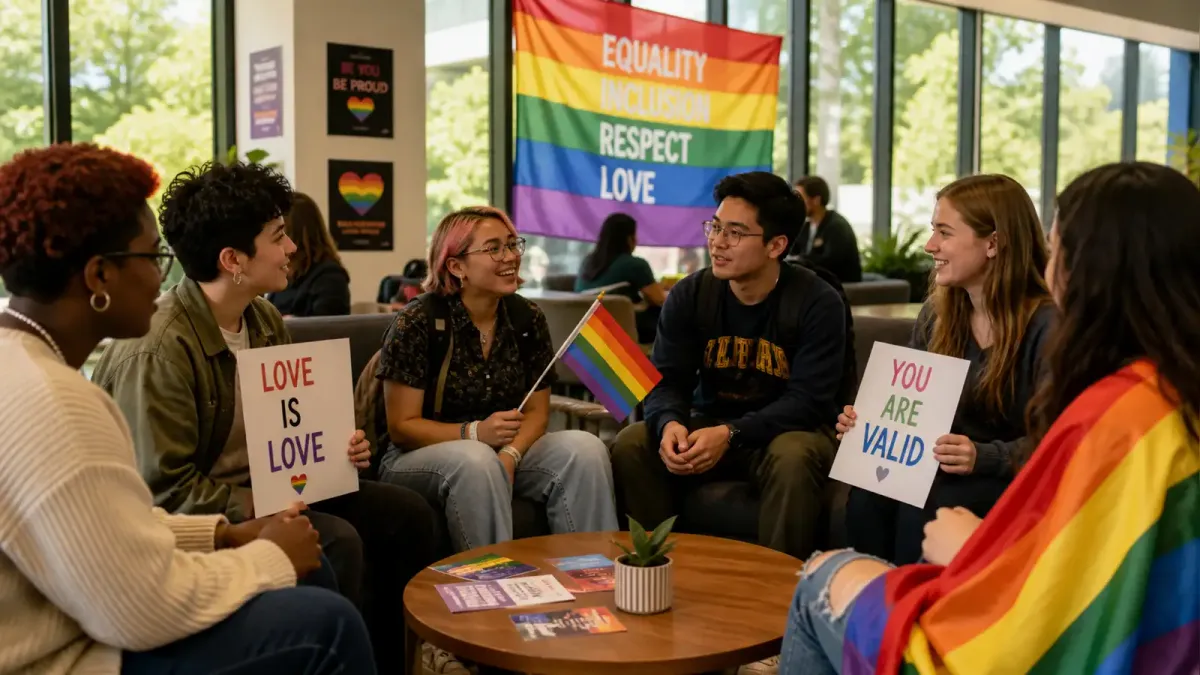
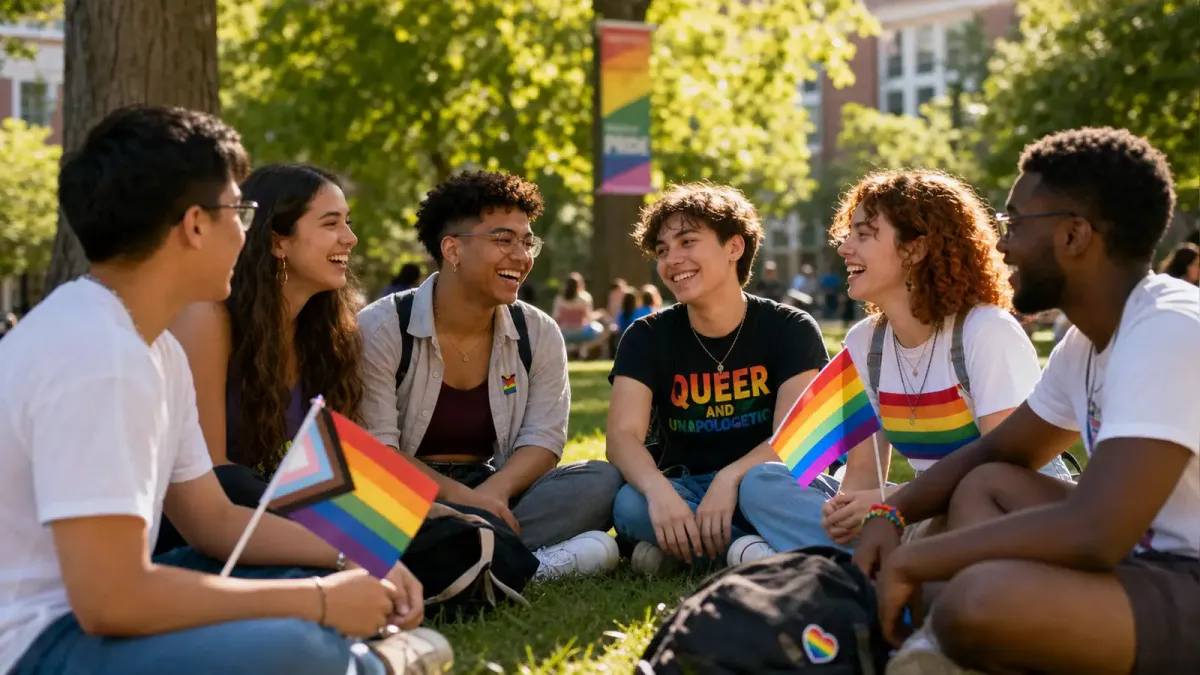
There’s a practical lesson here for campus LGBTQ+ organizations: the most impactful programming isn’t always the biggest. It’s the programming that speaks directly to a specific group’s experience rather than trying to be everything to everyone. A small event for queer students of color that actually addresses their lives will build more community than a generic “allyship workshop” with pizza. The best events make people feel seen, not just welcomed. There’s a difference, and the people you’re trying to reach know the difference immediately.
Rochester Pride Picnic: low-key and local
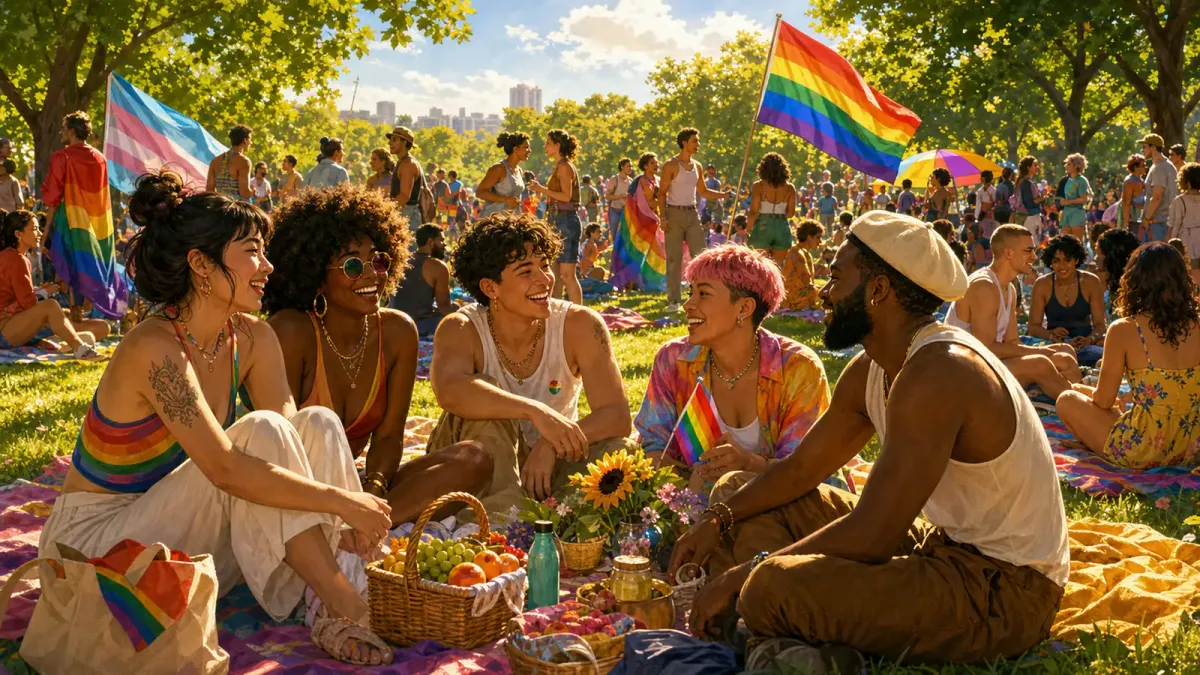
Not every Pride event needs to draw 60,000 people or book national musical acts. The Rochester Pride Picnic, held at Genesee Valley Park on July 13, was exactly what it sounds like: people gathering in a park with food, blankets, and each other. No corporate sponsorship banners. No parade permits. No ticket prices. Just a picnic organized by and for the local LGBTQ+ community.
The Democrat and Chronicle covered it with a photo gallery, and the images tell the story: families, friend groups, people of all ages sitting on grass and eating and talking. It’s the kind of event that doesn’t make national news but probably matters more to the people who attended than any corporate-sponsored float parade.
Low-key community events are where actual relationships form. They’re where isolated queer people meet other queer people for the first time outside of bars and dating apps. They’re where older queer people pass down knowledge to younger ones without the formality of a mentorship program. They’re where the community infrastructure gets built that survives when corporate sponsorships dry up and the political climate shifts.
For college students, the picnic model is replicable. You don’t need a budget. You don’t need permits. You need a park, some people, and someone willing to send the group text. The barrier to entry is almost zero. The impact, over time, can be significant.
Black Pride and the rise of identity-specific celebration
Alongside WerQfest, other Black Pride events are happening across the country this summer. Richmond, Virginia, hosted a Black Pride celebration covered by Axios, part of a growing network of identity-specific Pride events that have emerged over the past decade.
Black Pride events originated in the 1990s as a response to the whiteness of mainstream Pride organizations. The issues that dominated mainstream LGBTQ+ advocacy — marriage equality, military service — didn’t always reflect the priorities of Black queer communities, who were more likely to be dealing with housing discrimination, police violence, healthcare access, and employment discrimination that intersected with both race and sexuality. Black Pride created spaces where those intersections weren’t an afterthought.
That model has expanded. There are now Latinx Pride events, Trans Pride events, Disability Pride events, and youth-specific Pride events that run parallel to the main parades. The fragmentation isn’t a sign of division. It’s a sign of maturity. A community that’s secure enough to acknowledge its internal diversity is healthier than one that demands everyone march under the same banner and pretend the differences don’t exist.
What this means for LGBTQ+ students
For LGBTQ+ college students — especially those at schools without strong queer student organizations or in regions where being out carries real risk — the diversity of Pride events in 2026 is good news. You don’t need to travel to a major city to find community. You can find a picnic in a park. You can find a festival built around your specific identity rather than a generic rainbow. You can find an event where the goal is connection rather than spectacle.
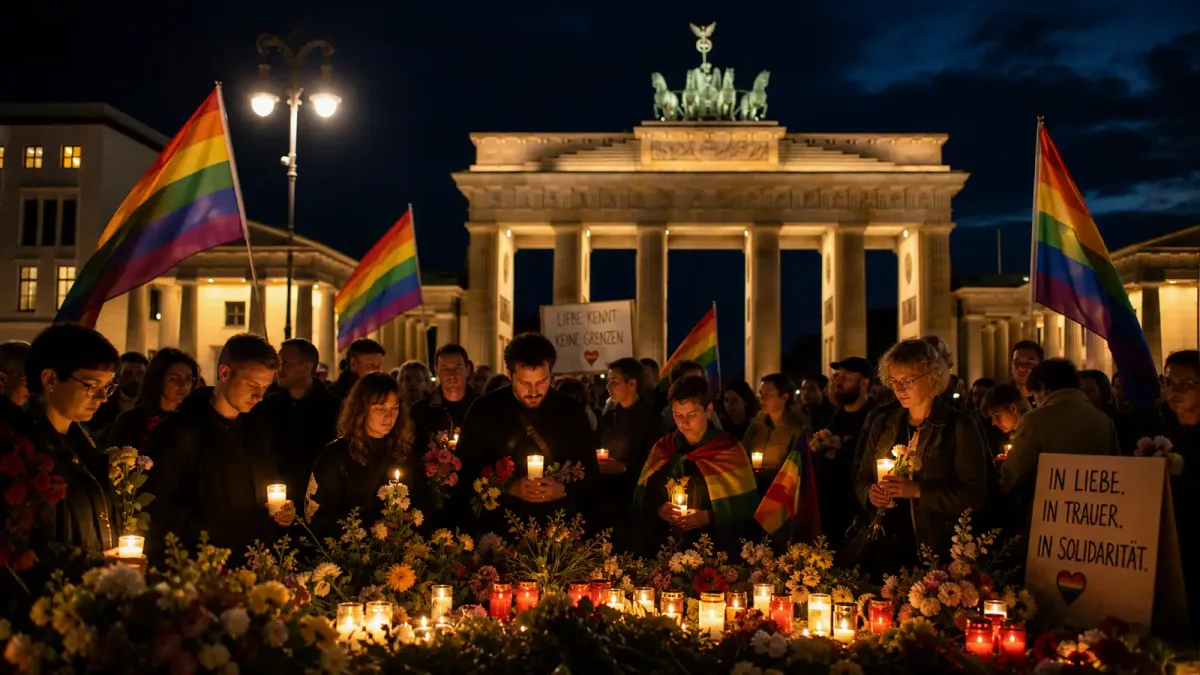
But access is still uneven. Regional Prides and community picnics work best in places where the local LGBTQ+ population is large enough and safe enough to gather publicly. In many parts of the country, and in many parts of the world, that’s still not the case. The evolution of Pride from protest to party doesn’t change the underlying reality that being visibly queer in public is still dangerous in a lot of places. The events that get photographed and celebrated are the ones where it’s safe to be photographed. The events that don’t get covered — the ones held in secret, the ones without permits, the ones where people watch for police — are equally part of Pride history, even if they don’t make the highlight reel.
Building community that lasts past the parade
The challenge for any Pride event is what happens after. A parade is a day. A weekend festival is a weekend. The question that matters is whether the community infrastructure built around these events persists when the stages come down and the porta-potties get hauled away.
Leeds has answered that question with year-round programming that extends beyond June and July. WerQfest has answered it by building an identity that isn’t tied to the Pride calendar — it’s a Black queer cultural institution that happens to take place in summer. The Rochester picnic exists because someone decided to organize it, not because a national organization funded it.
For LGBTQ+ students watching from campus, the lesson is that community doesn’t require scale. It requires consistency. A weekly coffee meetup that five people attend for a year builds more community than a festival that 60,000 people attend for a day. The flashy events matter — they’re visible, they’re affirming, they remind you that you’re not alone. But the infrastructure that keeps people alive and connected is the weekly stuff. The picnic in the park. The group chat. The person who checks in when you miss a meeting.
Summer 2026 is full of big Pride events worth celebrating. Leeds, WerQfest, Rochester, Black Pride celebrations across the country — they’re all signs that LGBTQ+ community is alive and evolving. But the events that will matter most in six months are the ones that lead to something that lasts past the weekend. The parade ends. The community doesn’t have to. The test of any Pride event isn’t how many people showed up — it’s how many people stayed connected afterward and kept showing up for each other when there were no rainbow flags in sight. By that measure, the picnic in the park might matter more than the parade with 60,000 attendees. Small is sustainable. Sustainable is everything.