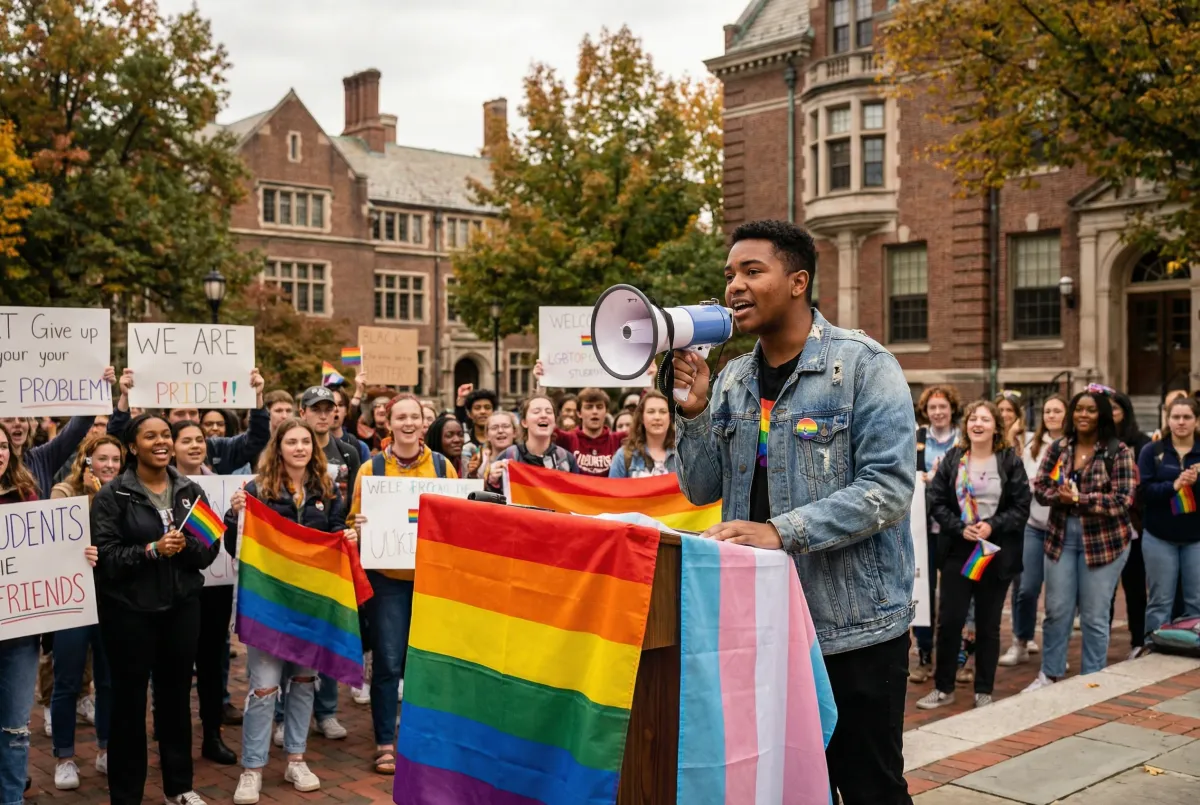
The first time I spoke publicly about being gay, I was twenty years old, shaking so hard my voice trembled, standing in front of fifty people at my college’s first-ever LGBTQ+ awareness week event.
I hadn’t planned to speak. I’d been there to support a friend who was on the panel. But when the moderator opened the floor for questions and someone asked why we needed “all this LGBTQ+ stuff anyway,” something in me snapped. I raised my hand. I stood up. I talked for five minutes about what it felt like to grow up believing I was broken, about the years of depression and self-loathing, about what it meant to finally be in a space where I didn’t have to hide.
When I sat down, my friend was crying. “I’ve never heard you say any of that,” they whispered.
Neither had I.
The Loneliest Years
My journey to activism didn’t begin with courage. It began with pain.
I grew up in a small town where I heard the word “faggot” more than I heard my own name. I learned early to be invisible, to blend in, to never, ever let anyone see the real me. By the time I graduated high school, I was an expert at camouflage.
College was supposed to be different. I told myself I’d finally be free to be who I was. But freedom is complicated. Even in a new place, I carried all that hiding inside me. I knew I was gay—I could barely admit it to myself—but I didn’t know how to be gay. I didn’t know any gay people. I didn’t know what gay looked like in real life.
My first semester was a disaster. I didn’t make friends. I went to class and back to my room. I thought about the queer stuff I’d suppressed for years, but I had no one to talk to about it. My roommate was nice but straight. My hallmates were fine but not close. I joined a few clubs but never stayed.
By winter break, I was depressed. Not the “feeling sad” kind—the kind where you can’t get out of bed, where nothing tastes like anything, where you start wondering if things will ever get better.
The Breaking Point
I almost didn’t come back for spring semester.
I don’t remember exactly what changed my mind. Maybe it was my high school therapist reaching out. Maybe it was stubbornness—I didn’t want the homophobes to win. Maybe it was the faint hope that somewhere, somehow, things could be different.
I came back. And one day, walking past the student union, I saw a flyer: “LGBTQ+ Student Alliance Meeting.”
I walked past it. Then I walked back. Then I walked past again.
The third time, I went in.
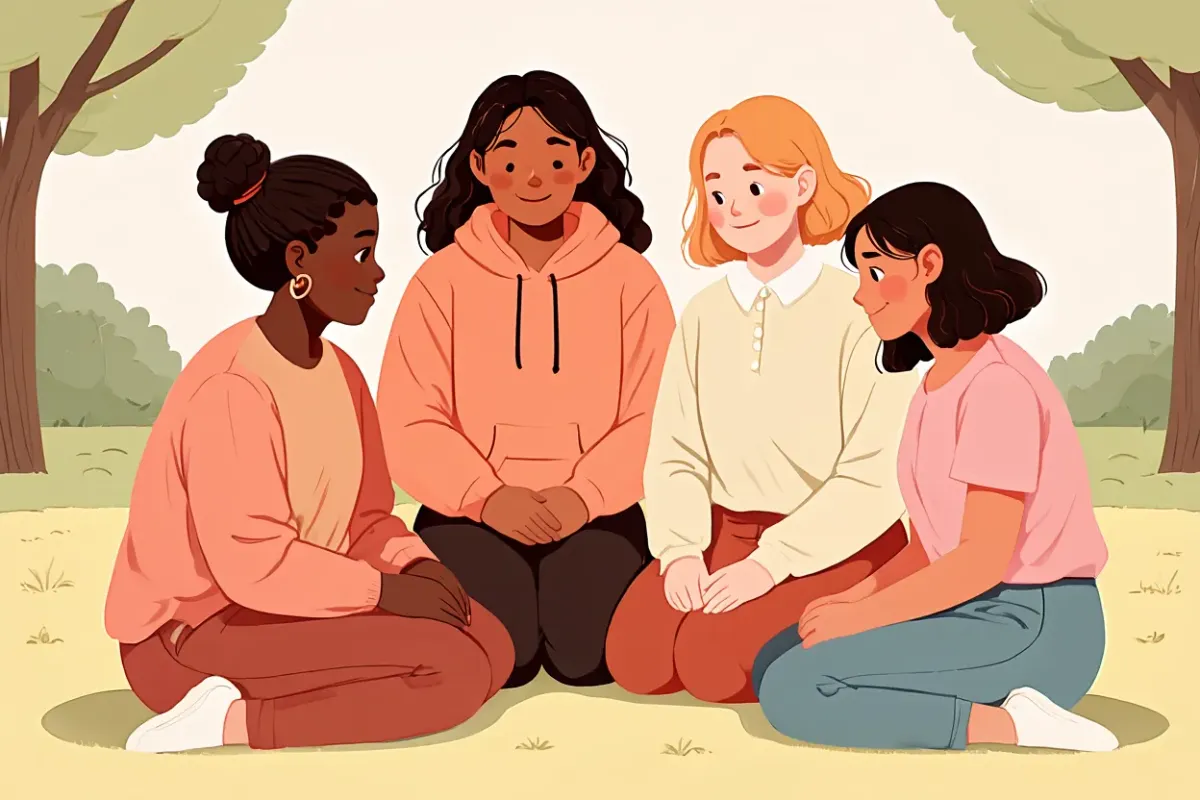
There were maybe ten people. I didn’t know any of them. I sat in the back. I didn’t say anything. But being in that room, seeing other people who were like me, hearing them laugh and argue and share—that was the first crack in the wall I’d built around myself.
Finding My Voice
I kept going to meetings. Slowly, I started talking. First small things: agreeing with someone, asking a question. Then bigger things: sharing how my week was, talking about a problem I was having.
The people in that group became my teachers. Not because they taught me about queer theory or community organizing—though they did—but because they showed me that surviving wasn’t the same as living. They showed me people who were out, who had partners, who had jobs and apartments and lives. They showed me that people like me could have futures.
One person, a senior named Marcus, became my mentor. He saw something in me I couldn’t see in myself. He pushed me to apply for a leadership position. I laughed. Me? Lead anything? I’d spent my whole life trying not to be noticed.
“You have a voice,” he said. “You just don’t know it yet. But I hear it. And other people will too, if you let them.”
I applied. I didn’t get the position that year. But I applied again the next year, and this time I got it.
The Transformation
Leadership changed everything—not because it was easy, but because it forced me to grow.
I had to learn to speak publicly, which meant overcoming a terror I’d had since childhood. I had to learn to organize events, which meant learning to work with people who were different from me. I had to learn to represent a community, which meant understanding what that community needed.
Some of it was hard. I made mistakes. I learned that being a leader doesn’t mean being perfect—it means being willing to fail, learn, and try again.
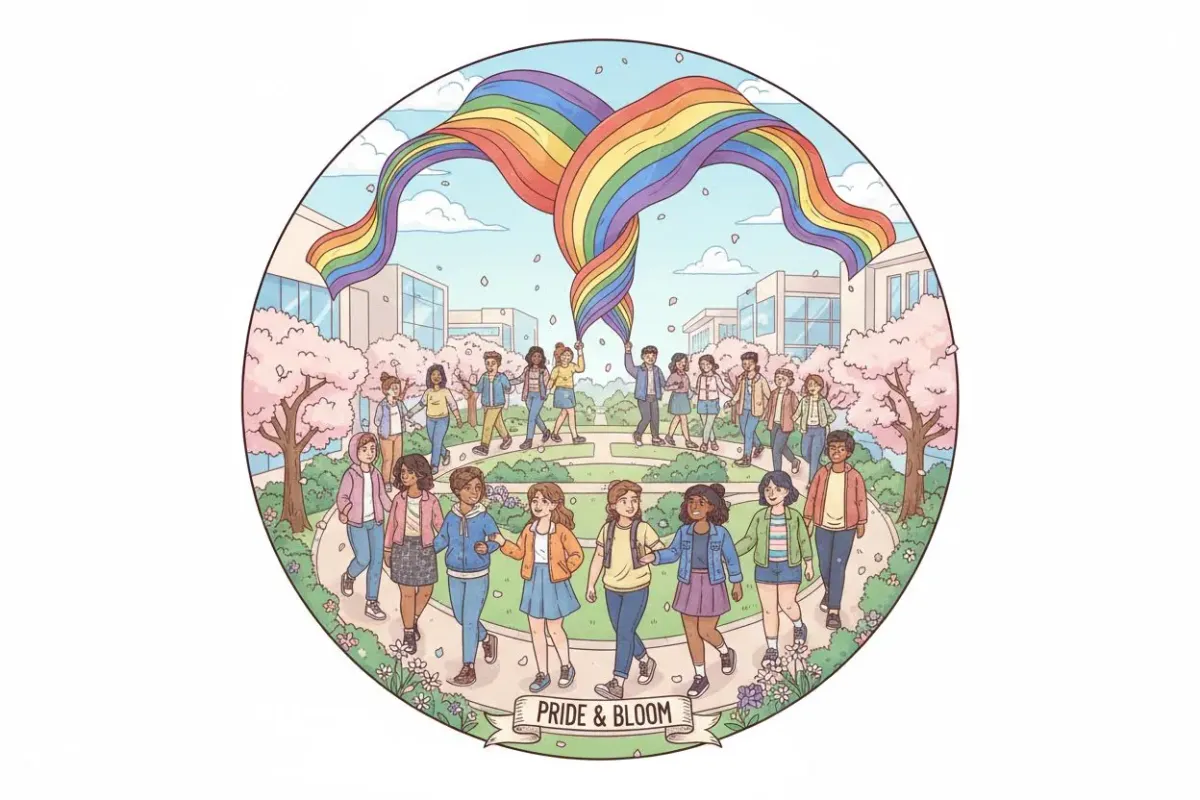
Some of it was unexpectedly beautiful. The first pride event I helped organize drew over a hundred people. The year after that, it drew three hundred. Watching the quad fill with queer students and their allies, watching people laugh and dance and be themselves—that was the most alive I’d ever felt.
I discovered something I never expected: that my pain could become power. The years of hiding, the depression, the loneliness—these weren’t just bad memories. They were fuel. They reminded me why this work mattered. Every scared freshman in that room reminded me of myself, and I wanted to make sure they didn’t have to struggle the way I had.
The Harder Work
Activism isn’t all triumph and pride flags. It’s also:
Burnout: Leadership is exhausting. There were semesters when I was running on fumes, when I questioned whether it was worth it. Learning to take care of myself while caring about others is a skill I’m still learning.
Conflict: Not everyone agrees on strategy, tactics, or vision. Learning to navigate disagreement without losing relationships has been one of the hardest parts of this work.
Sacrifice: I gave up things—social time, academic flexibility, sometimes my own comfort—to do this work. It was worth it, but it was still a sacrifice.
The personal toll: Processing my own trauma while helping others process theirs sometimes felt like too much. Therapy became essential, not optional.
Criticism: Not everyone approved of what I did or how I did it. Learning to hear criticism without being destroyed by it took years.
The People Who Carried Me
I didn’t do this work alone. I couldn’t have.
Marcus, who saw potential I couldn’t see in myself. Priya, who became my co-leader and taught me about the intersection of identities. The faculty advisor who believed in students enough to get out of our way. The admin who quietly fixed problems we didn’t even know existed. The hundreds of students who showed up, who participated, who made our community what it was.
And the students I mentored—now, looking back, there were so many. Some went on to do incredible things in LGBTQ+ advocacy. Others just needed to survive, and they did. Every single one of them taught me something.
What I Learned
If I could talk to the terrified freshman who almost didn’t walk into that first meeting, here’s what I’d say:
Your pain is real, but it doesn’t define your future. What happened to you wasn’t your fault. But your healing is your responsibility.
Community is medicine. Isolation kills. Connection heals. Find your people—even if it takes time, even if it’s hard, even if you’ve been hurt before.
You have more power than you know. The system is designed to make us feel small. We’re not. When we organize, when we speak, when we show up for each other, we change things.
Leadership is a practice, not a destination. You don’t have to be ready. You just have to be willing to learn.
Self-care isn’t selfish, it’s necessary. You can’t pour from an empty cup. Take care of yourself so you can keep doing the work that matters.
Change is possible, but it takes time. Some of the things I advocated for took years to happen. Some didn’t happen at all. Persistence matters more than immediate results.
Where It Leads
I’m not in college anymore. I’ve moved on to a career in LGBTQ+ advocacy, using the skills I developed in that student organization. Sometimes I speak at colleges, talking to students who remind me of myself—scared, isolated, searching for something.
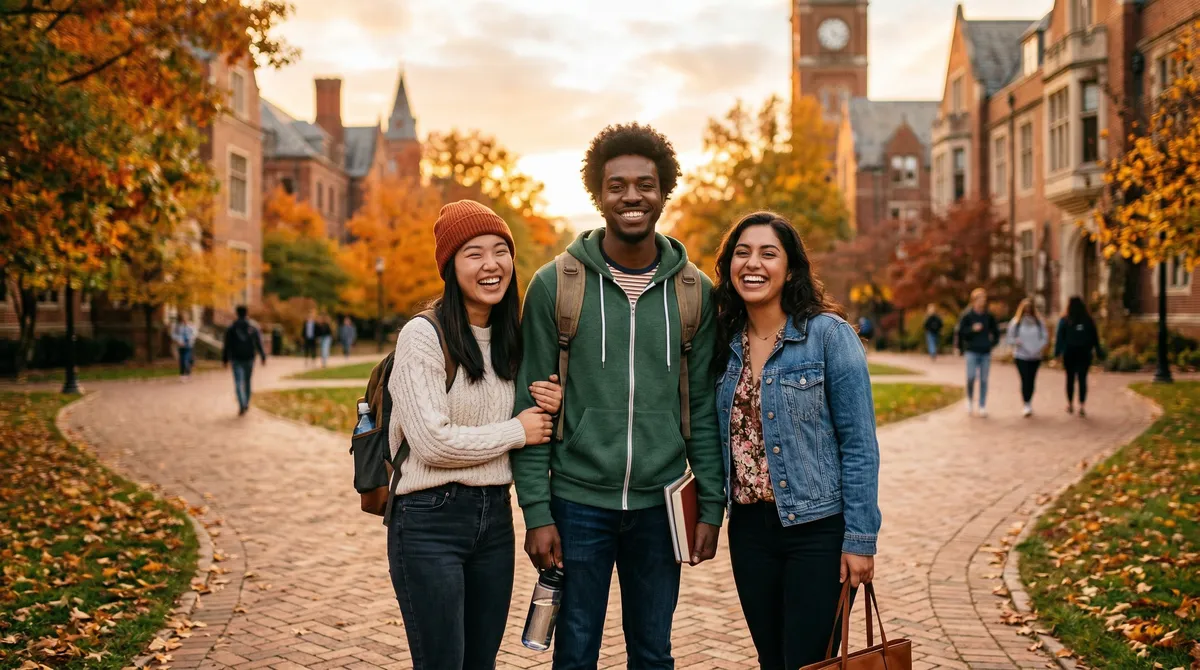
I still carry the lessons from those years. I still draw on the community I found there. I still talk to the friends I made, even though we’re scattered across the country now.
What started as survival became purpose. What started as isolation became connection. What started as pain became power.
And if you’re where I was—scared, alone, wondering if things will ever get better—I want you to know: they can. They will. You just have to take the first step.
Find your meeting. Find your people. Find your voice.
The rest will follow.