The First Year After Coming Out: Three LGBTQ+ College Students Share Their Stories
Coming out isn’t a single moment. It’s not the dramatic scene in movies where everything changes after one conversation. It’s hundreds of small decisions—telling a professor, correcting a roommate, calling your parents, introducing your partner.
And the first year? That’s when everything feels both exhilarating and terrifying.
We spoke with three LGBTQ+ students about their first year after coming out. Their stories are different, but they share something universal: the courage to live authentically.
Story One: “She Chose a New Wedding Title to Welcome Me”
Alex, 30, Transmasculine/Nonbinary, Bisexual/Pansexual
Background: Alex began exploring his gender identity during sophomore year of college. His journey toward coming out started with his closest friend.
The Fear Before Coming Out
“I grew up in a small town where being gay was something people whispered about. When I got to college, I thought I’d finally be free to explore who I was. But I was still terrified.
The person I was most scared to tell was my best friend Sarah. We’d been close since high school. I knew she loved me, but I also knew her family had… complicated views about LGBTQ+ people.
I worried about the ‘Don’t Ask, Don’t Tell’ vibe—that she’d accept me as long as I didn’t make it visible. That I’d be welcome at her wedding, but only if I didn’t bring a date. That I’d be her friend, but not too openly.”
The Coming Out Moment
“One night, I finally worked up the courage to tell her. I was shaking. I had this whole speech prepared about how I’d been questioning my gender identity and sexuality.
She listened. And then she just hugged me and said, ‘Thank you for trusting me with this.’
But the real moment came months later, when she was planning her wedding. She was talking about her wedding party—bridesmaids and groomsmen—and she paused and looked at me. She said, ‘Alex, I know you’re not a bridesmaid. I’m trying to figure out what to call you. Man of honor? Honor attendant? I want you to know you have a place in my wedding, and it’s whatever title feels right to you.’
She was literally googling ‘gender-neutral wedding party titles’ right in front of me. She chose a new wedding title to welcome me.
I cried. Not because I cared about the title itself, but because she cared enough to figure it out.”
The First Year: Challenges and Growth
Challenges:
- Constantly explaining my identity to new people
- Dealing with professors who misgendered me
- Watching some friendships fade as people couldn’t adjust
- The exhaustion of being “the trans educator”
Growth:
- Finding my chosen family—people who never question my identity
- Discovering a queer community that felt like home
- Learning to advocate for myself
- Becoming the person I needed when I was younger
What Alex Wants You to Know
“To anyone who’s newly out: find your people. The ones who make you feel loved without conditions. They exist, and they will change your life.
And to allies: small gestures matter. Learning someone’s pronouns. Asking about their partner. Defending them when they’re not in the room. These aren’t grand gestures—they’re basic respect. But they mean everything.”
Story Two: “I Used Half-Truths to Test My Family”
Sarah, 29, Transgender Woman, Lesbian
Background: Sarah came out to her family when she was 20, after months of subtle testing to gauge their reactions.
Testing the Waters
“I knew I was different from a young age, but I didn’t have the language for it. By college, I knew I was transgender, but I was terrified of what that meant for my family.
So I started with small tests. I’d ask my parents hypothetical questions:
‘What would you think if I dated women?’ ‘What do you think about transgender people?’ ‘If one of us came out, how would you react?’
Their answers were… mixed. They said they loved me no matter what, but I could hear the hesitation. They’d talk about their religious friends’ transgender child in not-great ways. I worried that being transgender would be a bridge too far.
For months, I lived in this in-between space. I knew who I was, but I was waiting for the right moment. That moment came during winter break of my sophomore year.”
The Moment of Truth
“I called my parents on a Sunday night. I had been crying for hours, trying to build courage. When I finally got them on the phone, I just said it: ‘I’m transgender. I’m a woman. And I’m so scared of losing you.’
There was silence. Then my mom started crying. My dad asked a lot of questions—some thoughtful, some that hurt. But they both said they loved me.
The next few months were… complicated.”
The First Year: A Rollercoaster
The Hard Parts:
- My dad used the wrong name for months—it felt like he was denying who I was
- Family gatherings were tense; relatives would ask invasive questions
- Some family friends stopped inviting us to events
- I transferred schools because my original campus didn’t feel safe for trans students
The Turning Points:
- My mom started using correct pronouns within weeks—she practiced when I wasn’t around
- My younger sister became my fiercest protector
- My parents attended PFLAG meetings to learn how to support me
- My dad defended me to his brother at Thanksgiving when he made a transphobic joke
Where Things Are Now
“It’s been nine years since I came out. My parents now introduce me as their daughter with pride. My dad corrected a coworker who misgendered me last year—he said, ‘That’s my daughter, and she’s amazing.’
The first year was the hardest. But my parents grew. They went from confused and scared to educated and supportive. That takes time.
If you’re giving advice to someone whose family is struggling, what do you tell them?”
We asked Sarah this directly. Her answer:
“Give them resources. PFLAG changed everything for my family—seeing other parents of trans kids helped them realize they weren’t alone. Give them time, but also boundaries. They get to be learning, but you don’t have to accept mistreatment while they figure it out.
And know that some families don’t come around. That’s their failure, not yours. Your chosen family can be just as real as the one you were born into.”
Story Three: “I Came Out With Three Friends in a Camp Tent”
Jamie, 19, Demigirl/Transmasculine-Leaning, Queer
Background: Jamie came out at 18 during a LGBTQ+ youth summer camp, in a moment of collective vulnerability with three friends.
That Night
“It was 11 PM at summer camp. Four of us were in a tent, and the conversation somehow turned to LGBTQ+ stuff. We’d been at this camp for a week, doing workshops on gender and sexuality, but none of us had fully come out yet.
Someone said, ‘What if we all shared something we haven’t told people yet?’
One friend said she was a lesbian. Another said they were nonbinary. A third said they were bisexual. And then I said, ‘I think I’m demigirl. Like, I’m not fully a girl, but I’m not fully a boy either. And I don’t know what my sexuality is—it just flows.’
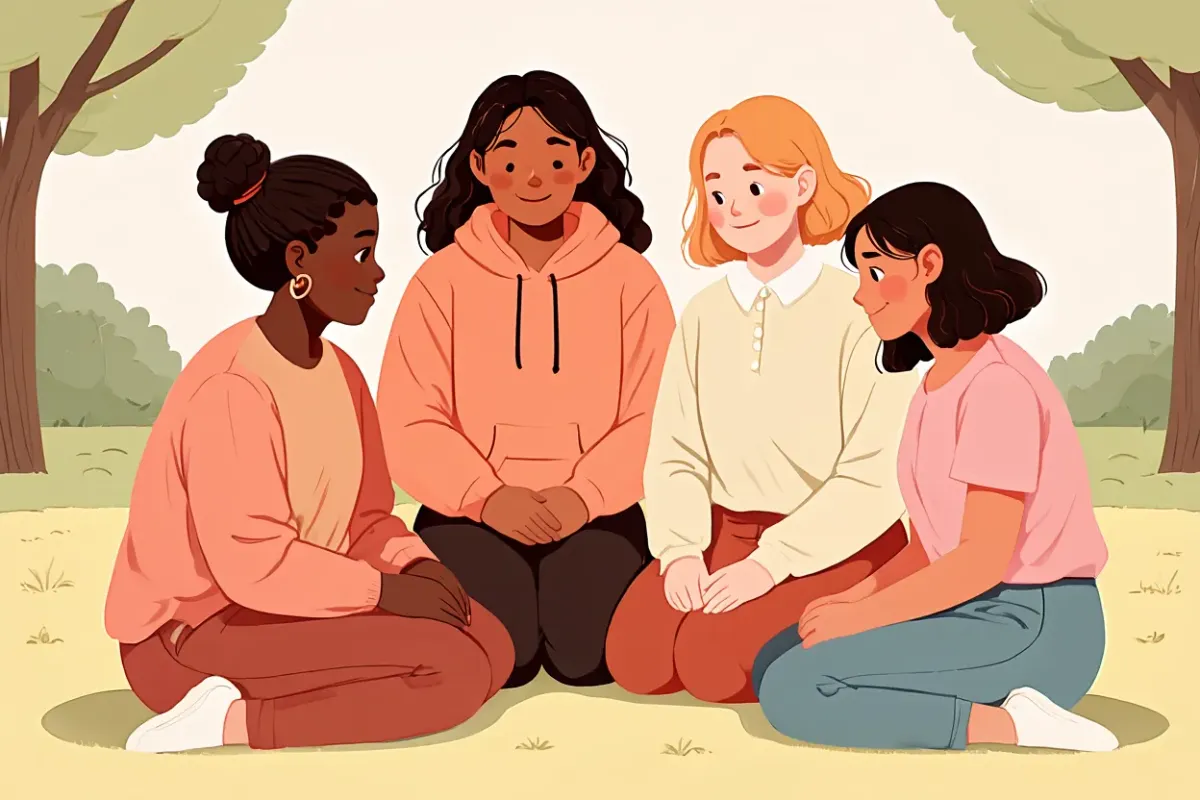
It was like this collective exhale. We all started crying—happy tears, relief tears. We spent the rest of the night planning how we’d support each other when we went home.
That was the first time I’d said those words out loud. And I said them with three other people who were doing the same thing. There was something powerful about that collective vulnerability.”
The Reality Check
“Here’s the thing: I haven’t come out to my parents yet. They’re… not supportive of LGBTQ+ people. They’ve made comments about gay people on the news, about ‘that transgender agenda.’ I know what they think.
So I’m living this double life. At school and with friends, I’m fully myself. I use they/he pronouns. I dress how I want. But when I go home, I go back in the closet.
It’s exhausting. But it’s also temporary. I’m working part-time to save money for when I can be financially independent. I’m planning to go to a college far from home. I’m building a support network that will hold me when I finally come out to my parents.”
The Power of Friend Networks
“My friends are my lifeline. They always have my back. When my roommate misgendered me, three friends pulled me aside and helped me figure out how to address it. When I was struggling with whether to come out to my professors, they helped me practice what to say.
We check in with each other constantly. We have a group chat where we share articles, vent about microaggressions, celebrate wins. We’re building the family we wish we had.
I want other young people to know: if your family isn’t ready, that doesn’t mean you’re not loved. It means they have work to do. And you get to find love elsewhere while they figure it out.”
Advice for Others
“Find your allies before you come out. Make a safety plan. Don’t come out to unsupportive people until you have support elsewhere.
And remember: coming out isn’t required. You don’t owe anyone your identity. You get to come out on your own timeline, to the people you choose, when you feel safe.”
Common Themes: What These First Years Teach Us
Family Reactions Vary Widely
All three stories show different family responses:
- Immediate acceptance (Alex’s friend)
- Learning curve (Sarah’s parents)
- Rejection requiring distance (Jamie’s situation)
Key insight: Family reactions exist on a spectrum, and even families that struggle can grow with time and education.
Friendship Makes the Difference
Every story emphasizes the importance of chosen family:
- Friends who learn your pronouns without complaint
- Friends who defend you when you’re not there
- Friends who create spaces where you can be yourself
Key insight: For many LGBTQ+ young people, friends become family. This isn’t a consolation prize—it’s a different kind of love that’s equally valid.
Campus Environments Matter
All three students noted how campus climate affected their experience:
- Access to LGBTQ+ resources
- Professors who understand gender identity
- Inclusive facilities (bathrooms, housing)
- Visible queer community
Key insight: College can be a transformative space for LGBTQ+ students—but only when institutions actively create safety and belonging.
Self-Discovery Never Stops
Each person’s understanding of their identity evolved:
- Alex: from questioning to transmasculine/nonbinary
- Sarah: from self-awareness to public transition
- Jamie: from confusion to demigirl/queer identity
Key insight: Coming out isn’t the end of the journey—it’s the beginning of living authentically.
Expert Perspective: What to Expect in Year One
We spoke with Dr. Michael Chen, a psychologist who specializes in LGBTQ+ youth mental health, about what young people can expect in their first year after coming out.
The Emotional Rollercoaster
“The first year is intense. You’ll have moments of pure joy—finally being seen, finding community, feeling authentic. You’ll also have moments of deep pain—rejection, misgendering, discrimination.
Both are normal. The key is building support systems that can hold you through both.”
Practical Advice for Year One
Dr. Chen’s recommendations:
- Find community – Join LGBTQ+ student organizations
- Seek professional support – Many campuses offer free, affirming counseling
- Practice self-compassion – You’re learning to live authentically; give yourself grace
- Set boundaries – You don’t have to educate everyone
- Celebrate small wins – Every step toward authenticity matters
When to Seek Professional Help
“Contact a counselor if you’re experiencing:
- Persistent feelings of hopelessness
- Thoughts of self-harm or suicide
- Substance use to cope
- Inability to function in daily life
Asking for help isn’t weakness—it’s taking care of yourself.”
For You: If You’re Considering Coming Out or Recently Came Out
Safety First
Before coming out, assess:
- Will I have a safe place to stay?
- Do I have financial support if things go wrong?
- Are there people in my corner?
- What’s my backup plan?
Remember: You don’t have to come out to everyone at once—or ever. Your safety comes first.
Build Your Support System
Find:
- 1-2 people you trust completely
- An LGBTQ+ student organization
- A counselor or therapist
- Online communities (TrevorSpace, Reddit LGBTQ+ groups)
Practice Self-Care
Daily practices:
- Affirmations: “My identity is valid. I deserve respect.”
- Journaling about your experiences
- Connecting with other LGBTQ+ people
- Limiting exposure to harmful content
Know This
- Your identity is valid, even if others don’t understand it
- You are not alone—millions of LGBTQ+ people have walked this path
- It gets better, even when it doesn’t feel like it
- Asking for help is strength, not weakness
Resources & Support
Campus Resources
- LGBTQ+ Student Center
- Counseling Services
- Peer Support Groups
- Title IX Office (for discrimination issues)
National Resources
- The Trevor Project: 24/7 crisis support at 1-866-488-7386 or text START to 678678
- PFLAG: Family support and education at pflag.org
- GLAAD Coming Out Resources: glaad.org/resources/comingout
- Trans Lifeline: 1-877-565-8860
Online Communities
- TrevorSpace: Online community for LGBTQ+ young people (ages 13-24)
- Campus Pride: Resources for finding LGBTQ+-friendly colleges
- Reddit: r/actuallesbians, r/asktransgender, r/bisexual, r/nonbinary
A Final Word
To everyone reading this who is questioning, coming out, or living authentically:
Your story matters. Your identity is real. Your life has value.
The first year is hard. But so are you.
And somewhere on your campus, in your city, in this world—there are people waiting to love you exactly as you are.
You belong here.