Every campus has an alumni association. Few have one that effectively serves LGBTQ+ students. The typical model — an annual networking reception, a Pride Month email, maybe a scholarship fund — is better than nothing, but it falls far short of what’s possible when queer alumni and current students are connected intentionally.
The campuses that are doing this well are transforming alumni networks from passive resources into active support systems: mentorship programs that pair students with alumni in their fields, emergency funds seeded by alumni donations, career pipelines into LGBTQ+-affirming workplaces, and community spaces where queer students can see what their lives might look like in ten, twenty, or forty years.
Why LGBTQ+ Alumni Networks Matter
For many LGBTQ+ students, the question “what will my life look like after college?” is harder to answer than it is for their peers. They may not have queer adults in their families. They may not know what a long-term same-sex relationship looks like in practice. They may never have met a trans person over 40. Alumni networks bridge this gap — not with abstract reassurance, but with living examples.
“I didn’t know any gay adults growing up. Not one,” said David, a recent graduate who now mentors current students through his alma mater’s LGBTQ+ alumni program. “The alumni who came back to campus when I was a student — the ones who talked about their careers, their relationships, their lives — they gave me something I couldn’t get anywhere else: proof that it gets better. Not in a slogan way. In a ‘here’s my husband and here’s what we did last weekend’ way.”
What Effective Networks Look Like
The programs making the biggest impact share several design features:
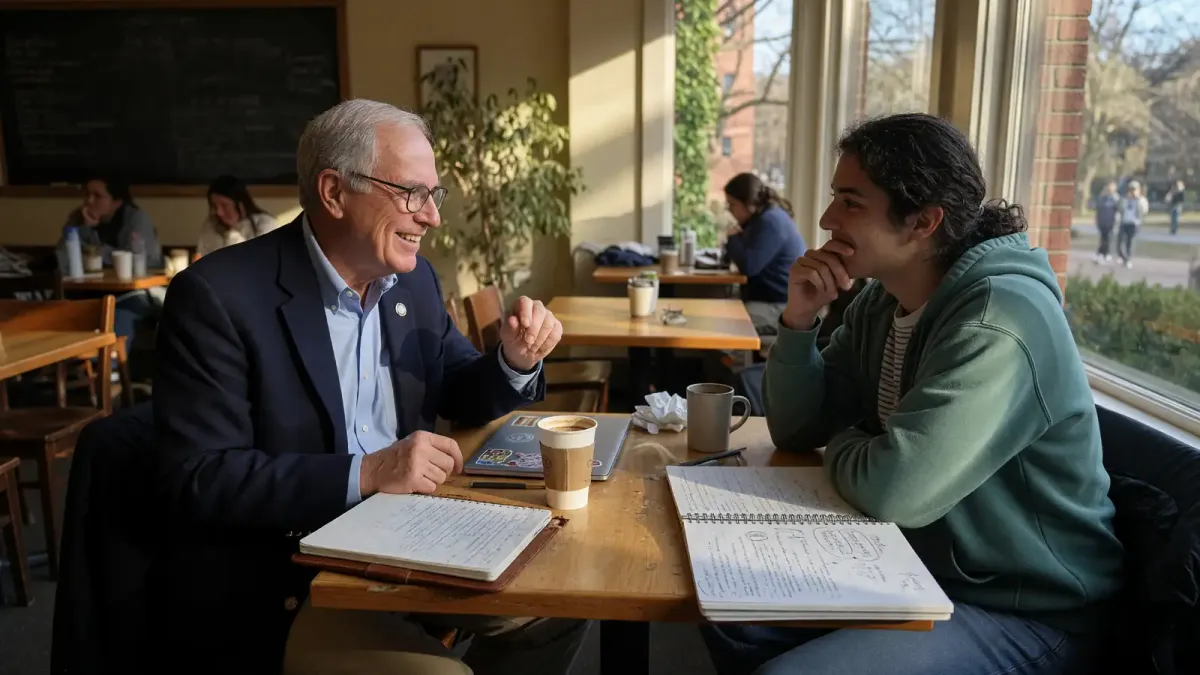
Structured mentorship, not just networking mixers. A two-hour reception where students and alumni exchange business cards is a start. A semester-long mentorship program with clear expectations, regular check-ins, and structured goals is a relationship. The University of Michigan’s LGBTQ+ alumni mentorship program pairs students with alumni in their career fields for a full academic year, with curriculum support from the career center and the LGBTQ+ resource office.
Career pipelines, not just advice. The most valuable alumni networks don’t just tell students how to navigate the job market — they help them enter it. Alumni who offer internships, who review resumes and conduct mock interviews, who make introductions to hiring managers at affirming companies, and who advocate for LGBTQ+-inclusive benefits at their workplaces are doing the concrete work of economic opportunity.
Emergency funding that’s fast and dignified. Several campuses have established LGBTQ+ emergency funds seeded by alumni donations. These funds — often administered through the LGBTQ+ center — provide rapid, low-barrier financial assistance to students facing housing insecurity, medical expenses, family cutoff, or other crises. Alumni who contribute aren’t just giving money; they’re building the safety net they may have needed when they were students.
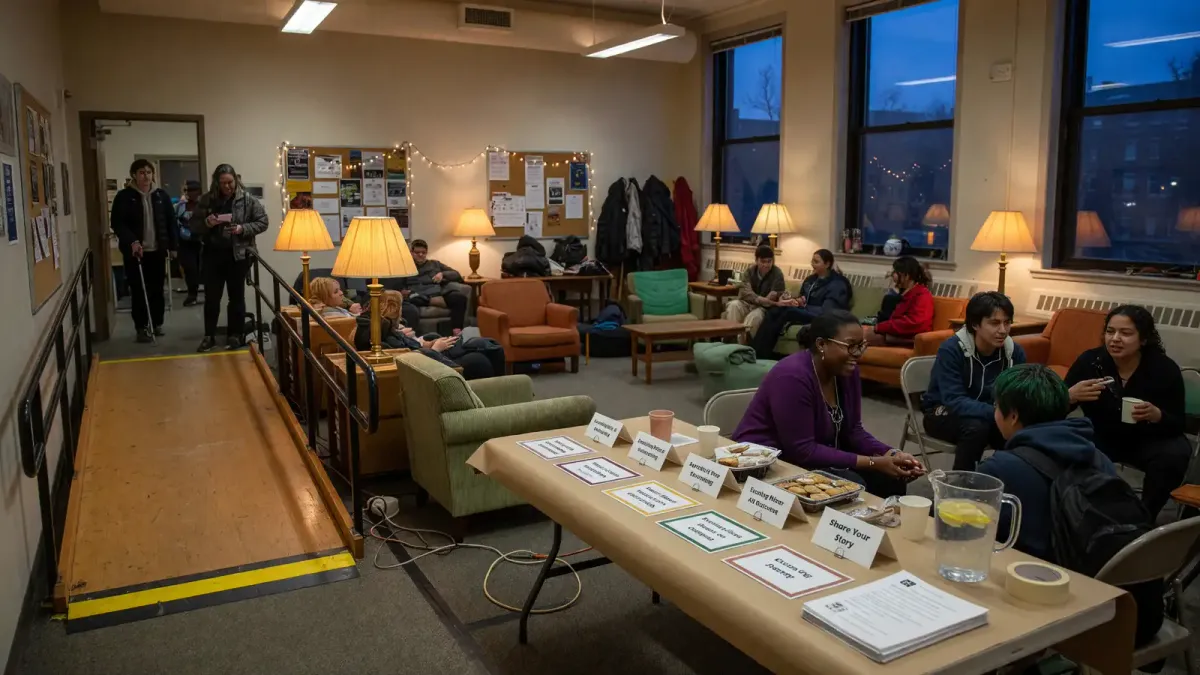
Intergenerational community, not just career networking. Not every alumni-student connection needs to be about professional development. Alumni book clubs, social events, oral history projects, and informal gatherings create relationships that extend beyond the transactional. For students who’ve never met LGBTQ+ adults living full lives, these relationships are formative in ways that career advice alone can’t match.
Alumni engagement that’s identity-specific within the LGBTQ+ umbrella. Trans alumni mentoring trans students. Queer alumni of color connecting with current students of color. First-generation queer alumni supporting first-generation queer students. These identity-specific connections address experiences that broader LGBTQ+ programming sometimes flattens.
Starting or Strengthening a Network
For students, alumni, and staff who want to build or improve LGBTQ+ alumni programming:
Start with what exists. Most alumni offices maintain databases that can be filtered by identity — if students and alumni have opted into sharing that information. A first step is often asking the alumni office to run a query: how many alumni have indicated LGBTQ+ identity, and would they be willing to be contacted about mentorship or programming? The response rate is often higher than expected.
Partner across offices. The most sustainable alumni networks involve collaboration between the alumni office, the LGBTQ+ center, the career center, and academic departments. No single office has the resources to run a comprehensive program alone.
Include students in the design. Alumni programming designed entirely by administrators often misses what students actually need. A student advisory board that helps shape programming ensures relevance.
Start small and consistent. A single monthly alumni-student coffee hour that happens reliably for a year is better than an ambitious mentorship program that launches with fanfare and fades after one semester. Consistency builds trust.
Honor the history. LGBTQ+ alumni from earlier generations often faced obstacles — institutional hostility, legal discrimination, the impossibility of being out — that current students may not fully appreciate. Programming that acknowledges this history, celebrates the alumni who fought for the resources students now use, and connects past struggles to present challenges creates a sense of continuity that benefits everyone.
LGBTQ+ alumni networks are a form of intergenerational mutual aid. They say to current students: you’re not the first ones here, you won’t be the last, and the people who came before you are invested in your success. That’s not just networking. That’s community.