The dorm room feels emptier than usual. Your phone shows a message from home that you haven’t opened in three days. The semester break is approaching, and everyone else seems excited about going home—while you’re dreading every moment of it.
If this sounds familiar, you’re not alone. Family rejection is one of the most painful experiences LGBTQ+ students face, and it can feel especially acute during college when you’re already navigating new environments, new friendships, and new aspects of yourself.
This guide is here to help you not just survive this experience, but build a life that feels whole and supported—even when biological family isn’t part of that picture.
Understanding Family Rejection
Before we talk about solutions, let’s acknowledge what’s actually happening. Family rejection isn’t about you. It’s about your family’s fears, their conditioning, their limited understanding, and their own unprocessed emotions. When a parent, sibling, or other family member rejects your identity, they’re projecting their own struggles onto you.
Research consistently shows that LGBTQ+ young people who experience family rejection have significantly higher rates of depression, anxiety, substance use, and suicide attempts compared to those with accepting families. But here’s what the research also shows: the presence of even one supportive person can dramatically improve outcomes. Your chosen family can include people who celebrate you exactly as you are.
Types of Rejection
Family rejection manifests in different ways:
Active Rejection: Direct statements that your identity is wrong, sinful, or unacceptable. Being told you’re not welcome at family events. Active exclusion from family activities or rituals.
Passive Rejection: Your identity being ignored or treated as if it doesn’t exist. Avoidance of any topic related to your life or relationships. Subtle put-downs disguised as concern.
Conditional Acceptance: Love that’s contingent on you hiding or changing parts of yourself. “We love you, but we don’t want to see that.” Invitations that exclude partners or don’t acknowledge your relationships.
Immediate Coping Strategies
When you’re in the middle of rejection—whether it’s happening now or you’re dreading it—these strategies can help you stay grounded:
Creating Distance Without Guilt
It’s okay to limit contact. You don’t owe anyone access to your life, especially people who make you feel less than. If you need to reduce calls, visits, or communications with family members, that’s a valid boundary. You can frame this as taking space without necessarily explaining or defending your choice.
Practical steps:
- Set specific days for calls rather than being available 24/7
- Prepare scripts for conversations: “I love you, but I can’t have this conversation right now”
- Give yourself permission to end calls that become hostile or hurtful
- Consider unfollowing family members on social media if their content triggers you
Processing Complex Emotions
Rejection brings up complicated feelings that don’t have simple solutions:
Grief: You’re allowed to mourn the relationship you wanted but can’t have. The fantasy of a supportive family is real, and grieving its absence is valid.
Anger: It’s okay to be angry. Someone you love has hurt you. Anger is a normal response to injustice, and suppressing it doesn’t make it disappear—it just stores it in your body.
Guilt: You might feel guilty for “causing” family problems or for not being the child they wanted. This guilt is not yours to carry. Your identity is not a choice you made to hurt anyone.
Relief: Some students feel relief when they create distance from rejecting families. This doesn’t make you a bad person—it means you’re protecting yourself.
Grounding Techniques
When rejection feels overwhelming, physical grounding can help:
- 5-4-3-2-1 Exercise: Name 5 things you can see, 4 you can touch, 3 you can hear, 2 you can smell, 1 you can taste
- Cold water: Splash cold water on your face or hold ice cubes
- Box breathing: Inhale for 4 counts, hold for 4, exhale for 4, hold for 4
- Body scan: Slowly notice sensations in each part of your body, starting at your toes and moving up
Building Your Support Network
When family isn’t there for you, intentional community becomes essential. Here’s how to build one:
The Power of Chosen Family
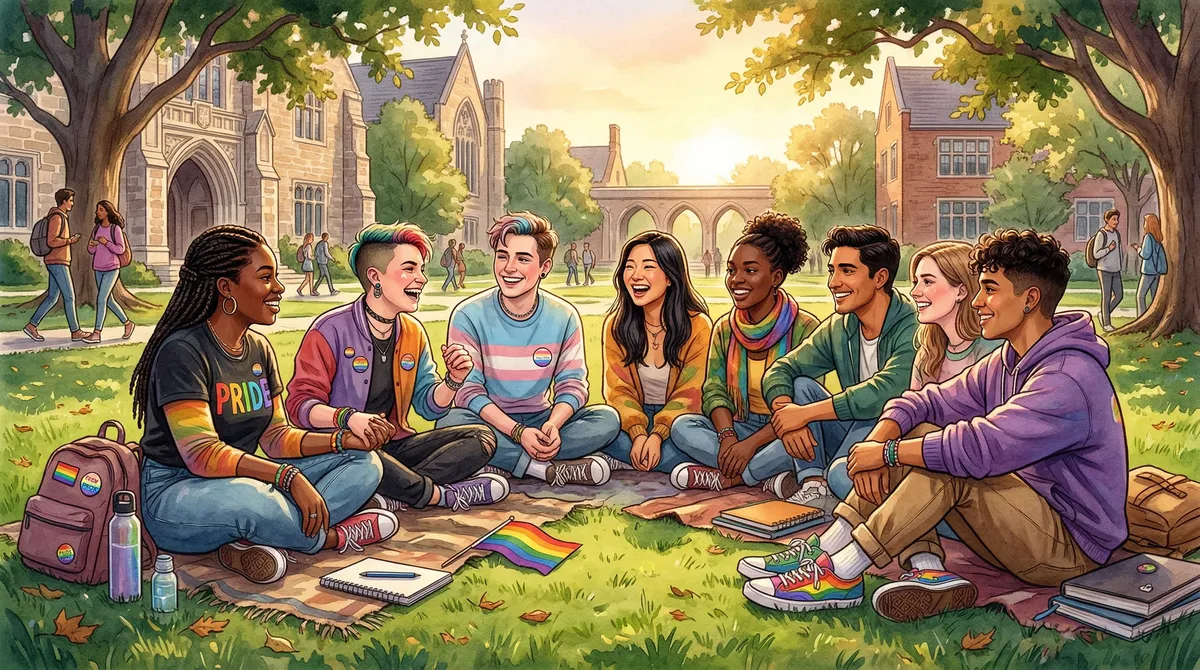
Chosen family—people who love and support you regardless of biological connection—is a cornerstone of LGBTQ+ resilience. Many of our elders built chosen families because biological families rejected them. You’re joining a tradition.
Finding your people:
- LGBTQ+ student organizations on campus
- Local LGBTQ+ community centers
- Online communities (Discord servers, forums, social media groups)
- Alumni networks of LGBTQ+ organizations
- Faith communities that welcome LGBTQ+ people, if spirituality is important to you
Campus Resources
Most colleges offer more support than students realize:
Counseling Services: Your campus counseling center should offer LGBTQ+-affirming therapists. If the available counselors don’t feel like a good fit, ask specifically for someone with experience serving LGBTQ+ clients. Many campuses now have dedicated LGBTQ+ counselors or can refer you to off-campus providers.
Student Organizations: Beyond social support, student groups often have practical resources—emergency funds, food assistance, housing referrals, and connections to community organizations.
Resident Advisors and Campus Ministries: Even if you’re not religious, campus ministry programs often serve as support systems and can help connect you with resources.
LGBTQ+ Centers or Safe Spaces: Many campuses now have dedicated centers with staff who understand the specific challenges you face.
Professional Support
Sometimes you need more than peer support:
Therapists Specializing in LGBTQ+ Issues: Look for therapists who specifically mention LGBTQ+ experience in their training or specialization. Organizations like GLMA or the National Queer and Trans Therapists of Color Network can help you find affirming providers.
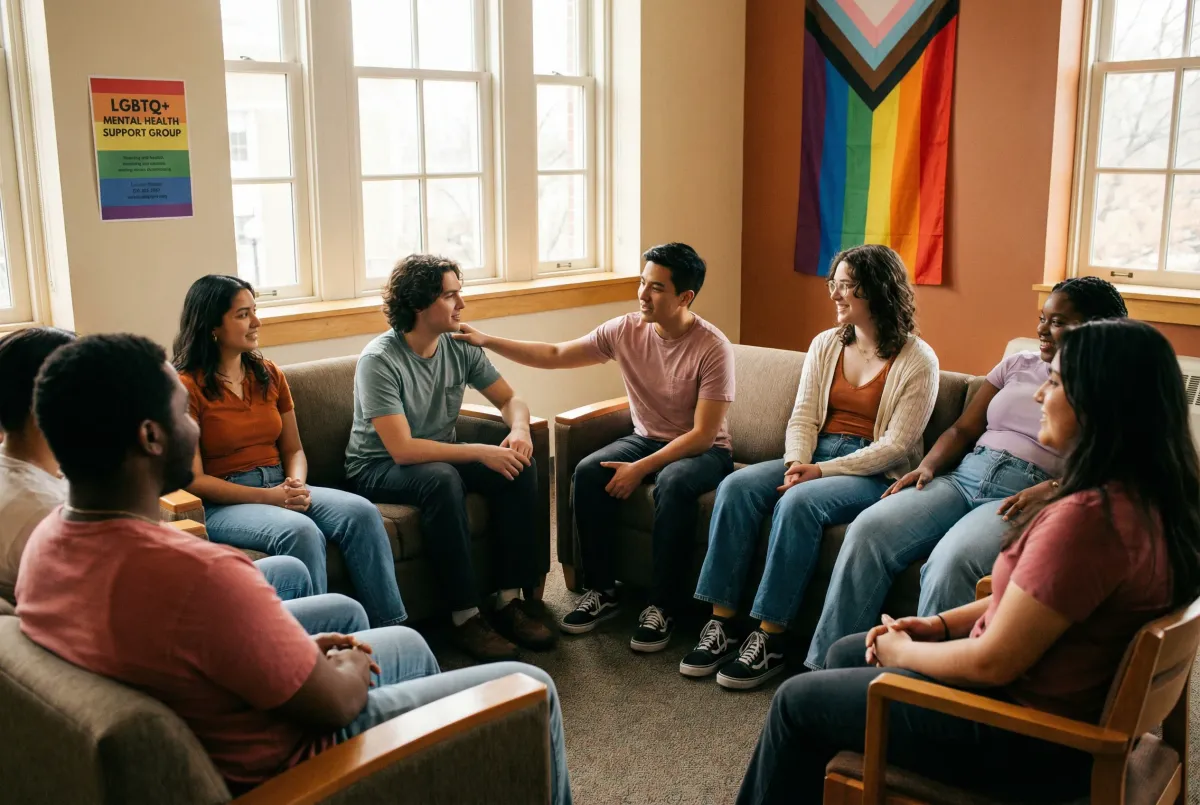
Support Groups: Many communities have support groups specifically for LGBTQ+ people dealing with family rejection. Hearing from others who’ve been through similar experiences can be incredibly validating.
Practical Survival Strategies
Managing Breaks and Holidays
The holidays and school breaks can be particularly difficult. Here are strategies:
Plan Ahead: Don’t wait until the last minute to figure out where you’ll stay during breaks. Many colleges keep dorms open during major holidays or can connect you with host families.
Find Alternative Gatherings: Many LGBTQ+ communities host “Friendsgiving” events, holiday meals for students who can’t or don’t want to go home, and other inclusive celebrations.
Create New Traditions: What if break time became a retreat? A travel opportunity? A focused period for personal projects? Reclaiming these times as opportunities rather than obligations can shift your emotional experience.
Financial Independence
Economic dependence can make it harder to set boundaries with rejecting families. If you’re financially tied to unsupportive family members:
Explore Campus Resources: Many colleges have emergency funds, food pantries, and other resources for students in difficult situations.
Scholarships for LGBTQ+ Students: Organizations like the Point Foundation, Pride Foundation, and local LGBTQ+ organizations offer scholarships that can help reduce dependence on family resources.
Part-Time Work: If possible, work-study or part-time employment can give you more autonomy.
Financial Aid: Contact your financial aid office to discuss whether changes in family circumstances might affect your aid package.
Setting Boundaries
Clear boundaries aren’t walls—they’re gates that let the right people in:
Be Clear About What You Need: “I love you and I need some time before we can talk about this. I hope you can respect that.”
Limit Topics: “I’m not going to discuss my relationships/personal life with you. Let’s talk about other things.”
Choose Your Battles: Sometimes engaging in arguments isn’t worth your energy. You can acknowledge someone’s opinion without debating it.
Have an Exit Strategy: When visiting family, have transportation options that don’t depend on the person who might become hostile.
The Long View
Healing from family rejection is a process, not an event. Here are some things to remember:
Growth Is Possible
Some families do change. People grow, especially as they have more time to process and more exposure to LGBTQ+ lives that contradict their fears. But change can take years—or it might never happen. You can’t control their timeline, and you shouldn’t put your life on hold waiting for acceptance that may never come.
Your Identity Is Valid
No matter what your family says or believes, your identity is real, valid, and worthy of celebration. You are not broken, confused, or mistaken. The difficulty you’re experiencing is because of other people’s limitations, not because of anything wrong with you.
You Can Build a Full Life
The LGBTQ+ community is full of people who have built extraordinary lives, careers, relationships, and families—often with chosen family at the center. Many of us have created holiday traditions, raised children, built careers, and found deep fulfillment despite rejection from biological family.
It’s Okay to Grieve
Even when you’ve built a wonderful chosen family, there can be grief around what you didn’t have with biological family. This grief doesn’t mean you’re not happy—it means you wanted something and didn’t get it. Grief comes and goes in waves, and that’s normal.
Resources for Immediate Support
If you’re in crisis or need someone to talk to right now:
The Trevor Project: 1-866-488-7386 | thetrevorproject.org
- 24/7 crisis counseling for LGBTQ+ young people
TrevorChat: Available through their website
- Online chat with trained counselors
988 Suicide and Crisis Lifeline: Call or text 988
- 24/7 support for anyone in crisis
PFLAG: pflag.org
- Support for LGBTQ+ people and their families (including families trying to understand)
The National Center for Transgender Equality: transequality.org
- Resources specifically for transgender and nonbinary individuals
Moving Forward
Family rejection is one of the hardest experiences LGBTQ+ people face. But it doesn’t have to define your life. With the right support, clear boundaries, and a commitment to your own wellbeing, you can not only survive but thrive.
Your chosen family is waiting for you. The community that celebrates you exists. The resources you need are available. You just have to reach out and claim them.
And remember: whether or not your family ever accepts you, you are worthy of love, belonging, and joy exactly as you are. That worthiness doesn’t depend on anyone else’s approval—it’s intrinsic to who you are.