College life presents unique challenges for LGBTQ+ students, from navigating identity exploration to managing the stress of academics while building supportive communities. Some students thrive. Others hit moments when overwhelming emotions, difficult circumstances, or mental health crises demand immediate support. Knowing where to turn during these critical moments can mean the difference between struggling alone and finding help that saves lives.
This guide covers crisis hotlines, emergency resources, and support systems designed for LGBTQ+ individuals. Whether you’re in crisis yourself, worried about a friend, or just want to be prepared, you’ll find clear options here.
Understanding LGBTQ+ Crises: Recognizing When Help Is Needed
Mental health crises show up in many forms. Understanding the signs specific to LGBTQ+ experiences helps you recognize when support is necessary. LGBTQ+ individuals face unique stressors that can push someone toward crisis—and spotting these patterns early matters.
Types of Mental Health Crises
A mental health crisis happens when emotional or psychological distress becomes overwhelming and interferes with your ability to function safely. LGBTQ+ individuals may face additional risk factors related to minority stress, discrimination, rejection, and navigating identity in environments that may not be fully affirming.
Suicidal ideation represents one of the most serious crisis situations. This may include thoughts about suicide, making a plan, or having the means to carry out such a plan. If you or someone you know is experiencing suicidal thoughts, immediate professional help is essential. Research shows LGBTQ+ youth seriously consider suicide at significantly higher rates than their cisgender and heterosexual peers. Transgender and nonbinary individuals face even higher risks.
“Calling The Trevor Project saved my life during my sophomore year,” recalls one student. “I didn’t think anyone would understand why I felt so alone, but the counselor just listened. That one conversation gave me enough hope to keep going until I could get into therapy.”
Severe anxiety attacks can show up as intense fear, rapid heartbeat, difficulty breathing, and a sense of impending doom. For LGBTQ+ students, these episodes may be triggered by discrimination, family rejection, or the stress of hiding who you are. Anxiety attacks aren’t typically life-threatening, but they can be terrifying and often need professional support to manage.
Panic episodes involve sudden, intense surges of fear that trigger severe physical reactions. LGBTQ+ individuals who have experienced hate incidents, discrimination, or violence may be at higher risk for panic disorder and related episodes.
Depressive crises may involve overwhelming sadness, hopelessness, inability to function, or thoughts of self-harm that fall short of suicidal ideation but still signal serious distress. These situations often need intervention to prevent escalation.
Substance abuse emergencies occur when alcohol or drug use leads to dangerous situations, overdose, or suicidal behavior. LGBTQ+ individuals may be at higher risk for substance use disorders due to minority stress and may face unique challenges in accessing affirming treatment.
Psychotic episodes involve a disconnection from reality, which may include hallucinations or delusions. While less common, these situations require immediate medical attention regardless of the individual’s LGBTQ+ identity.
LGBTQ+-Specific Risk Factors
Understanding the unique challenges that LGBTQ+ individuals face can help identify crisis situations early and provide appropriate support. Minority stress, the chronic stress resulting from stigma, discrimination, and prejudice, creates ongoing psychological pressure that can accumulate over time. This stress can manifest as depression, anxiety, PTSD, and other mental health conditions that may lead to crisis situations.
Family rejection represents one of the most significant risk factors for LGBTQ+ mental health crises. Studies consistently show that LGBTQ+ youth who experience family rejection are significantly more likely to attempt suicide, develop substance use disorders, and experience depression. The transition to college may amplify these tensions as students navigate new environments while managing complicated family dynamics.
Discrimination and violence can also trigger crisis situations. LGBTQ+ students who experience hate incidents, assault, or institutional discrimination may develop trauma responses that require specialized support. Even microaggressions, the subtle but persistent forms of discrimination that occur daily, can accumulate to create significant psychological distress.
Identity concealment itself can be a significant source of stress. The constant mental effort of hiding one’s identity, using incorrect pronouns, or presenting in ways that do not align with one’s authentic self can lead to exhaustion, depression, and crisis.
24/7 Crisis Hotlines: Immediate Support Around the Clock
When crisis strikes, immediate access to supportive professionals can be lifesaving. Several organizations operate crisis hotlines specifically designed to serve LGBTQ+ individuals, staffed by trained counselors who understand the unique challenges these communities face.
The Trevor Project
The Trevor Project stands as the world’s largest organization providing crisis intervention and suicide prevention services to LGBTQ+ young people. Their comprehensive services are available to individuals under 25, though their support extends to anyone who needs it.
TrevorLifeline offers phone-based crisis counseling at 1-866-488-7386. This service connects callers with trained counselors who specialize in LGBTQ+ issues and crisis intervention. The Lifeline operates during business hours and provides both crisis stabilization and ongoing resource referrals.
TrevorChat provides web-based crisis counseling through The Trevor Project’s website. This option allows individuals to connect with counselors via instant messaging, which can be particularly valuable for those who find phone calls anxiety-inducing or for those who need visual communication support.
TrevorText offers crisis intervention through text messaging. Users can text START to 678678 to connect with a trained Trevor counselor. This service is particularly useful for individuals who cannot speak freely due to their environment or who prefer text-based communication.
The Trevor Project also provides TrevorSpace, an online community where LGBTQ+ ages 13 to 24 can connect with peers who understand their experiences. While this is not a crisis service, it provides ongoing community support that can help prevent crises.
988 Suicide and Crisis Lifeline
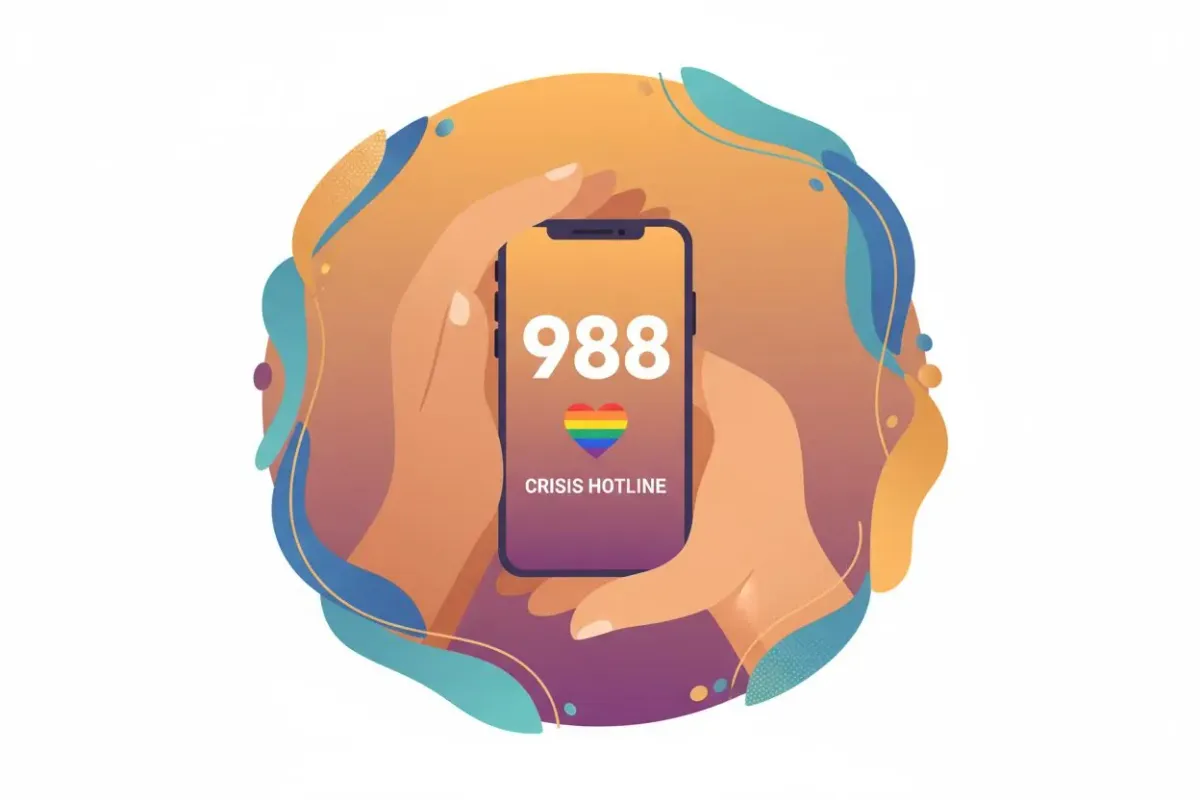
The 988 Suicide and Crisis Lifeline provides free, confidential support to anyone experiencing suicidal thoughts or mental health distress. This national hotline is available 24 hours a day, 7 days a week, across the United States.
Important Update (2025): In July 2025, the federal government discontinued specialized LGBTQ+ services through the 988 lifeline. In response, bipartisan legislation has been introduced to restore these critical services for LGBTQ+ youth. Until specialized services are restored, LGBTQ+ individuals may receive more knowledgeable support by explicitly stating their identity when calling and requesting counselors trained in LGBTQ+ issues.
To access the 988 Lifeline, simply call or text 988 from any phone in the United States. The service is available to everyone, regardless of age, gender identity, or sexual orientation. Crisis counselors who answer calls and texts have received training in LGBTQ+ issues, though the level of specialized training may vary by location.
The 988 Lifeline offers several advantages for LGBTQ+ individuals. It is widely recognized and easy to remember, reducing barriers to access during crisis situations. It operates nationwide, making it available regardless of where you are located. Additionally, the service provides both phone and text options, accommodating different communication preferences.
When you call or text 988, you will be connected with a trained crisis counselor who will listen to your situation, provide support, and help you develop a plan for staying safe. If necessary, the counselor can dispatch emergency services or connect you with local resources for ongoing support.
LGBTQ+ Specific Hotlines
Beyond The Trevor Project and 988, several organizations provide specialized support for LGBTQ+ individuals experiencing crises.
The National Suicide Prevention Lifeline (1-800-273-8255) has integrated with 988 but still maintains its original phone number for backward compatibility. This service provides access to crisis counselors who can provide immediate support and referrals.
SAGE (1-877-360-SAGE) provides crisis support specifically for LGBTQ+ elders. If you are an older LGBTQ+ adult experiencing a crisis, SAGE’s warm line offers specialized understanding of the unique challenges facing this population.
The National Queer and Trans Therapists of Color Network maintains a crisis response team and can provide referrals to culturally competent therapists who understand the intersectional experiences of LGBTQ+ people of color.
The Gay, Lesbian, Bisexual and Transgender National Hotline (1-888-843-4564) provides peer support and information for LGBTQ+ individuals. While not a crisis line specifically, it can provide guidance and referrals during difficult situations.
Text and Chat Support Options: Alternative Communication Methods
Not everyone feels comfortable speaking on the phone during a crisis. For individuals who prefer text-based communication or who cannot speak freely due to their environment, several alternatives provide crisis support through instant messaging and text services.
Crisis Text Line
The Crisis Text Line provides free, 24/7 crisis support via text message. To access this service, simply text HOME to 741741. A trained crisis counselor will respond within minutes to provide support and help you work through your situation.
The Crisis Text Line has responded to millions of texts from people in crisis, including many LGBTQ+ individuals. Their crisis counselors are trained to provide empathetic support and can help with a wide range of situations, from suicidal thoughts to relationship problems to anxiety and depression.
Text-based communication offers several advantages for LGBTQ+ individuals. It allows for complete privacy when phone calls are not possible. It provides time to compose thoughts and feelings without the pressure of real-time verbal conversation. It can be accessed from anywhere, making it valuable for students in dormitories or shared living spaces.
Online Chat Services
Several organizations offer web-based chat services that connect individuals with crisis counselors through instant messaging platforms.
The Trevor Project’s TrevorChat connects LGBTQ+ youth with trained counselors through a secure chat interface on their website. This service is available during specific hours and provides real-time support from counselors who understand LGBTQ+ issues.
The 988 Lifeline also offers web chat through their website, providing an alternative to phone calls for individuals who prefer text-based communication.
IMALIVE provides a web-based crisis intervention service where individuals can receive support through instant messaging. This service is particularly valuable for those who are not comfortable speaking on the phone but need immediate human connection during a crisis.
Peer Support Communities
While not crisis services, peer support communities can provide valuable connection during difficult times and may help prevent crises from escalating.
TrevorSpace, operated by The Trevor Project, provides a moderated online community for LGBTQ+ youth ages 13 to 24. Users can connect with peers, share experiences, and access resources in a safe, supportive environment.
LGBTQ+ support groups both online and in-person can provide ongoing connection that reduces isolation and provides perspective during challenging times. Many colleges have LGBTQ+ student organizations that offer peer support, and numerous national organizations facilitate online communities.
Campus Counseling Centers: Utilizing On-Campus Resources
College counseling centers provide essential mental health services to students, and understanding how to access affirming support through these resources can be invaluable for LGBTQ+ students navigating crisis situations.
Understanding Your Campus Counseling Center
Most colleges and universities offer counseling services through their student health center, psychological services center, or counseling center. These services are typically included in student fees and are available at no additional cost or for a minimal copay.
Campus counseling centers typically offer:
Short-term individual counseling for students experiencing personal, academic, or career-related concerns. While the number of free sessions may be limited, these services can provide immediate support during crisis situations and referrals to longer-term care when needed.
Group counseling brings together students with similar concerns to share experiences and support one another. Many campuses offer LGBTQ+-specific groups or general groups that welcome students of all identities.
Crisis intervention services provide immediate support for students experiencing acute mental health crises. Most campuses have protocols for crisis situations and can provide same-day appointments for urgent needs.
Psychiatric services may be available through campus health centers, including medication management for students who benefit from pharmacological treatment.
Accessing Crisis Support Through Your Campus Center
When you are experiencing a crisis, your campus counseling center should be among your first calls. Most centers have crisis counselors available during business hours who can provide immediate support.
During business hours, contact your counseling center and indicate that you are experiencing a crisis. Most centers have same-day or next-day crisis appointments available. Explain your situation honestly so that they can provide appropriate support.
After hours and on weekends, many campuses have crisis lines staffed by on-call counselors. Check your counseling center’s website or student health portal for information about after-hours crisis services. Many campuses have contracted with services like The Trevor Project or 988 to provide after-hours support.
For immediate danger, if you are experiencing active suicidal ideation with a plan and means, or if you believe someone else is in immediate danger, call 911 or go to your nearest emergency room. Campus security or police can also provide immediate assistance and can connect you with crisis services.
Advocating for Your Needs
LGBTQ+ students may need to advocate for affirming care, particularly at institutions with limited training or resources. Here are some strategies for getting the support you deserve:
Ask directly about counselors’ experience with LGBTQ+ clients. Most counseling centers will honor requests for counselors with specific training or experience. You have the right to ask about a counselor’s qualifications before committing to an appointment.
Request a counselor who specializes in LGBTQ+ issues, gender-affirming care, or identity exploration. If your campus does not have such a counselor, ask for referrals to off-campus providers who do.
Provide feedback if your experience is not affirming. Most counseling centers have processes for providing feedback, and your input can help improve services for future students.
Know your rights. Under Title IX and other federal laws, discrimination based on sexual orientation or gender identity may constitute sex discrimination. If you experience discrimination from campus mental health providers, you have options for reporting and recourse.
Emergency Room Protocols: When Immediate Medical Attention Is Required
Some situations require emergency medical attention beyond what crisis hotlines or counseling centers can provide. Understanding when and how to access emergency services is essential for LGBTQ+ individuals who may face unique challenges in emergency settings.
When to Seek Emergency Care
Emergency room visits are appropriate when:
Someone is in immediate danger of harming themselves, including those with active suicidal ideation and a plan to carry it out, those who have already taken action toward suicide, or those who possess the means to harm themselves.
Someone is in danger of harming others or is experiencing psychotic symptoms that make them a danger to themselves or others.
Someone has experienced a sexual assault or violent attack and requires medical treatment, evidence collection, or immediate trauma support.
Someone is experiencing a mental health crisis that cannot be safely managed in other settings, including severe psychosis, mania with dangerous behavior, or severe substance-induced states.
Someone has serious physical injuries or medical conditions that require immediate attention.
Navigating Emergency Rooms as an LGBTQ+ Patient
Emergency rooms can provide lifesaving care, but LGBTQ+ individuals may face challenges in these settings. Being prepared can help ensure you receive appropriate care.
Know your rights. Federal law prohibits discrimination in emergency settings based on sex, which includes gender identity and sexual orientation. The Affordable Care Act specifically prohibits discrimination in healthcare settings.
Bring a support person if possible. Having someone you trust accompany you can provide emotional support, help advocate for your needs, and ensure you are treated with respect.
Be clear about your identity if you feel safe doing so. Informing medical staff about your gender identity, name, pronouns, and any relevant information about your situation can help ensure appropriate care. If you are taking hormone therapy or have other ongoing treatments, this information may be medically relevant.
Request accommodations as needed. If you have specific needs related to your gender identity, such as room assignments or specific pronouns, you can request these. If you experience discrimination or mistreatment, you can ask to speak with a patient advocate, social worker, or administrator.
Ask about LGBTQ+-specific resources. Many hospitals have social workers, patient advocates, or LGBTQ+ health programs that can provide additional support.
Mobile Crisis Teams
Some communities have mobile crisis teams that can respond to mental health emergencies in the community rather than requiring individuals to go to emergency rooms. These teams typically include mental health professionals who can provide assessment, stabilization, and referrals.
Mobile crisis teams may be particularly valuable for LGBTQ+ individuals who are uncomfortable in emergency room settings or whose crises may be better addressed through mental health expertise rather than medical treatment.
Contact your local mental health authority, crisis center, or 988 to inquire about mobile crisis services in your area.
Creating Your Personal Crisis Response Plan
Being prepared before a crisis occurs can help ensure you receive appropriate support when you need it most. A personal crisis response plan documents your needs, preferences, and resources so that you and your support network can act effectively during emergencies.
Components of a Crisis Plan
An effective crisis plan should include:
Warning signs that indicate you may be entering a crisis. These might include specific thoughts, feelings, behaviors, or circumstances that typically precede your most difficult times. Recognizing these signs early can help you seek support before the crisis escalates.
Coping strategies that help you manage distress when you are struggling. These might include grounding techniques, breathing exercises, physical activities, creative outlets, or other activities that provide relief during difficult moments.
Social contacts who can provide support during a crisis. This might include trusted friends, family members, mentors, or community members who understand your situation and can provide comfort or practical assistance.
Professional resources including your therapist’s contact information, your campus counseling center, crisis hotlines, and any other professional support you have established.
Crisis resources specific to LGBTQ+ individuals, including The Trevor Project, 988, and any local resources you have identified.
Safety planning for if you are experiencing suicidal thoughts. This includes identifying reasons for living, removing or restricting access to means of harm, identifying safe people and places, and emergency contacts.
Medical information including current medications, allergies, relevant diagnoses, and the name of your primary care provider or psychiatrist.
Insurance information if applicable, including your insurance provider, policy number, and any behavioral health coverage details.
Sharing Your Plan
Share your crisis plan with trusted individuals who may need to help you during an emergency. This might include:
- Roommates or close friends
- Family members who are supportive
- Your therapist or counselor
- A faculty or staff member who has agreed to serve as a support person
- Campus disability services or residence life staff
Having multiple people familiar with your plan ensures that help is available regardless of who is accessible during a crisis.
Reviewing and Updating Your Plan
Review your crisis plan regularly, particularly when your circumstances change. Update your plan to reflect new contacts, resources, or coping strategies that you have found helpful. Regular review keeps the plan fresh in your mind and ensures it remains relevant to your current situation.
Supporting Friends and Loved Ones in Crisis
If someone you care about is experiencing an LGBTQ+-related crisis, knowing how to provide effective support can make a profound difference. Your presence and understanding may be exactly what someone needs to get through a difficult time.
Recognizing Signs of Crisis
Friends and loved ones may show signs that they are struggling before they reach a full crisis. Warning signs include:
- Withdrawal from friends, activities, and relationships
- Significant changes in mood, behavior, or personality
- Expressions of hopelessness, worthlessness, or excessive guilt
- Giving away possessions or making final arrangements
- Talking about death, suicide, or not being around anymore
- Increased substance use
- Dramatic changes in sleep or eating patterns
- Social isolation or sudden increase in risky behavior
How to Respond
When you are concerned about someone’s mental wellbeing, approach them with care and concern.
Start a conversation in a private, comfortable setting. Express your observations without judgment and let them know you are concerned because you care.
Listen actively without trying to immediately fix the situation. Sometimes people need to feel heard and understood before they can consider solutions. Avoid dismissing their feelings, even if their concerns seem minor to you.
Ask directly about suicide if you are concerned. Research shows that asking does not plant the idea but rather provides an opportunity for someone to share their true feelings. Ask questions like, “Are you having thoughts of suicide?” or “How are you really doing?”
Take all threats and concerns seriously. If someone expresses suicidal ideation or plans, take immediate action. Do not keep secrets about suicide threats.
Stay connected after the initial conversation. Ongoing support matters more than a single intervention. Check in regularly, help them access resources, and remind them that you care.
Help them access resources by offering to call a crisis line together, accompany them to counseling, or help them make an appointment.
What Not to Do
Certain responses, while often well-intentioned, can be harmful:
- Do not dismiss their feelings or tell them to “just think positively”
- Do not leave them alone if they are in immediate danger
- Do not promise to keep suicidal thoughts secret
- Do not debate whether their reasons for living are “good enough”
- Do not guilt them by telling them how their death would affect you
- Do not attempt to handle the situation entirely on your own
Supporting LGBTQ+ Youth Specifically
LGBTQ+ individuals in crisis may face unique challenges that require specialized understanding.
Believe their experiences about discrimination, rejection, or mistreatment. Minimizing these experiences can cause additional harm.
Affirm their identity consistently. Using correct names and pronouns matters, especially during difficult times.
Connect them with LGBTQ+-affirming resources whenever possible. The Trevor Project and similar organizations provide specialized support.
Understand the impact of family rejection and other LGBTQ+-specific stressors. These are real sources of pain that warrant serious attention.
Respect their autonomy while ensuring safety. Allow them to make decisions about their care while providing appropriate support and guidance.
Conclusion: Seeking Help Is an Act of Strength
Reaching out during a crisis requires courage. Whether you are experiencing overwhelming emotions, supporting a friend in need, or simply preparing for future challenges, knowing about crisis resources represents an important step toward safety and wellbeing.
LGBTQ+ individuals face unique challenges that can contribute to mental health crises, but specialized resources exist to provide affirming, knowledgeable support. From The Trevor Project’s lifeline services to campus counseling centers to emergency medical care, multiple pathways to safety are available around the clock.
Remember that crisis resources exist precisely because experiencing crisis is a shared human experience. You are not weak for needing help. You are not broken. You are experiencing a response to overwhelming circumstances, and many people have walked this path before you and found their way to safety.
If you are experiencing a crisis right now, please reach out:
- The Trevor Project: 1-866-488-7386, text START to 678678, or visit thetrevorproject.org (24/7 for LGBTQ+ youth under 25)
- 988 Suicide and Crisis Lifeline: Call or text 988, or visit 988lifeline.org (note: LGBTQ+ specialized services were discontinued in 2025; request trained counselors)
- Crisis Text Line: Text HOME to 741741
- SAGE: 1-877-360-SAGE (for LGBTQ+ elders)
- LGBTQ+ National Hotline: 1-888-843-4564 (peer support and referrals)
If you are concerned about someone else, trust your instincts. Reach out, start a conversation, and connect them with resources. Your care and attention may be the lifeline someone needs.
You deserve support. You deserve safety. You deserve to thrive. These resources exist to help you access all of these things. Use them when you need them, and remember that seeking help is not a last resort but rather an act of profound strength and self-care.
Related Resources:
- The Trevor Project - Crisis support and resources for LGBTQ+ youth
- 988 Suicide and Crisis Lifeline - 24/7 crisis support
- Crisis Text Line - Text-based crisis support
- GLMA Provider Directory - LGBTQ+-affirming healthcare providers
- National Queer and Trans Therapists of Color Network - Culturally competent mental health resources