2026 LGBTQ+ Campus Policy Changes: 8 Things Students Must Know
The ground beneath LGBTQ+ students is shifting. Federal protections are rolling back. State laws are conflicting. Campus resources are closing. But you still have rights—and power.
This guide breaks down everything you need to know about the rapidly changing policy landscape in 2026, from Title IX changes to practical advocacy strategies.
The Big Picture: Why 2024-2026 Changed Everything
A Timeline of Policy Whiplash
1972: Title IX becomes law, prohibiting sex discrimination in education
2020: Trump administration narrows Title IX protections
2024: Biden administration expands Title IX to include gender identity and sexual orientation
January 9, 2025: Federal court strikes down 2024 Title IX rule in Tennessee v. Cardona
2025: Trump executive order recognizes only two genders
2026: Current landscape—patchwork of state protections, campus-by-campus variation
The result? LGBTQ+ students face unprecedented uncertainty about their rights and protections.
1. Title IX’s Dramatic Reversal
What Happened?
In January 2025, a federal court in Kentucky issued a nationwide ruling in State of Tennessee v. Cardona that eliminated the 2024 Title IX Final Rule. This means:
What the 2024 Rule Protected (Now Gone):
- Explicit protection for gender identity
- Protection for sexual orientation
- Broader definition of sex-based harassment
- Lower threshold for institutional response
What’s Back in Effect (2020 Rule):
- Narrower definition of sexual harassment
- Stronger procedural protections for accused students
- Live hearing requirements
- Cross-examination rights
What This Means for LGBTQ+ Students
Lost Protections:
- Gender identity discrimination may not be covered under federal Title IX
- Sexual orientation harassment has less clear protection
- Schools have less obligation to respond to LGBTQ+ harassment
Remaining Protections:
- Sex discrimination still prohibited
- Some courts still interpret sex to include gender identity
- State laws may provide additional protection
Bottom line: Federal protection is weaker, but not eliminated. State and campus policies matter more than ever.
2. Transgender Student Rights Under Attack
Federal Level Changes
Executive Order Impact: The 2025 executive order recognizing only two genders affects:
- Federal forms and documentation
- Schools receiving federal funding
- Interpretation of existing regulations
Practical Effects:
- Some schools reverting to binary gender options
- Reduced federal enforcement of transgender protections
- Increased uncertainty about rights
State-Level Landscape
Protective States (continuing to protect trans students):
- California, New York, Massachusetts, Washington, Colorado, Minnesota, and others
- State human rights laws explicitly include gender identity
- State education departments provide supportive guidance
Restrictive States (limiting or eliminating protections):
- 15 states restrict transgender people from using facilities matching their gender identity in some contexts
- Florida and Utah prohibit gender-inclusive housing at university level
- North Carolina university system banned gender-neutral housing
- Multiple states considering anti-trans legislation
Campus Responses
Schools That Retreated:
- University of Kansas: Reverted to gender-segregated housing
- Some Texas schools: Reduced visible LGBTQ+ programming
- Florida universities: Eliminated DEI offices
Schools Holding Strong:
- Harvard: Maintained open gender-inclusive housing
- UC System: Expanded transgender protections
- Many private institutions: Refused policy changes
3. The Campus Resource Center Closure Wave
What’s Happening
Over the past 10 months, dozens of LGBTQ+ resource centers have closed or changed their names. This isn’t random—it’s systematic.
Why Centers Are Closing:
- Pressure to eliminate DEI offices
- Funding cuts
- Administrative fear of federal scrutiny
- Rebranding to avoid targeting
Real Examples:
- Northwestern University: Center language removed, then restored after student protests
- University of Virginia: DEI programs threatened, students organized to protect
- Georgetown University: Students fighting to maintain resources
What You Can Do
If Your Center Is Threatened:
- Document everything
- Connect with alumni and faculty allies
- Gather data on center usage and impact
- Organize visible support
- Contact media if appropriate
Success Story: At Northwestern, student coalition building forced administration to partially restore resources after initial cuts.
4. Your Rights Haven’t Disappeared
Federal Rights That Remain
Title IX (2020 Rule):
- Still prohibits sex discrimination
- Requires schools to have grievance procedures
- Provides procedural protections
First Amendment:
- Right to free speech and assembly
- Right to organize and protest
- Right to express your identity
ADA (Americans with Disabilities Act):
- Mental health conditions may qualify
- Can request accommodations for anxiety, depression, PTSD
- Includes therapy animals in some cases
State Rights
Check Your State:
- State human rights laws often exceed federal protection
- Some states explicitly protect gender identity
- State education departments may have supportive policies
How to Research:
- Visit Lambda Legal’s state law database
- Contact ACLU affiliate in your state
- Search “[your state] LGBTQ+ student rights”
Campus Policy Rights
Review These Documents:
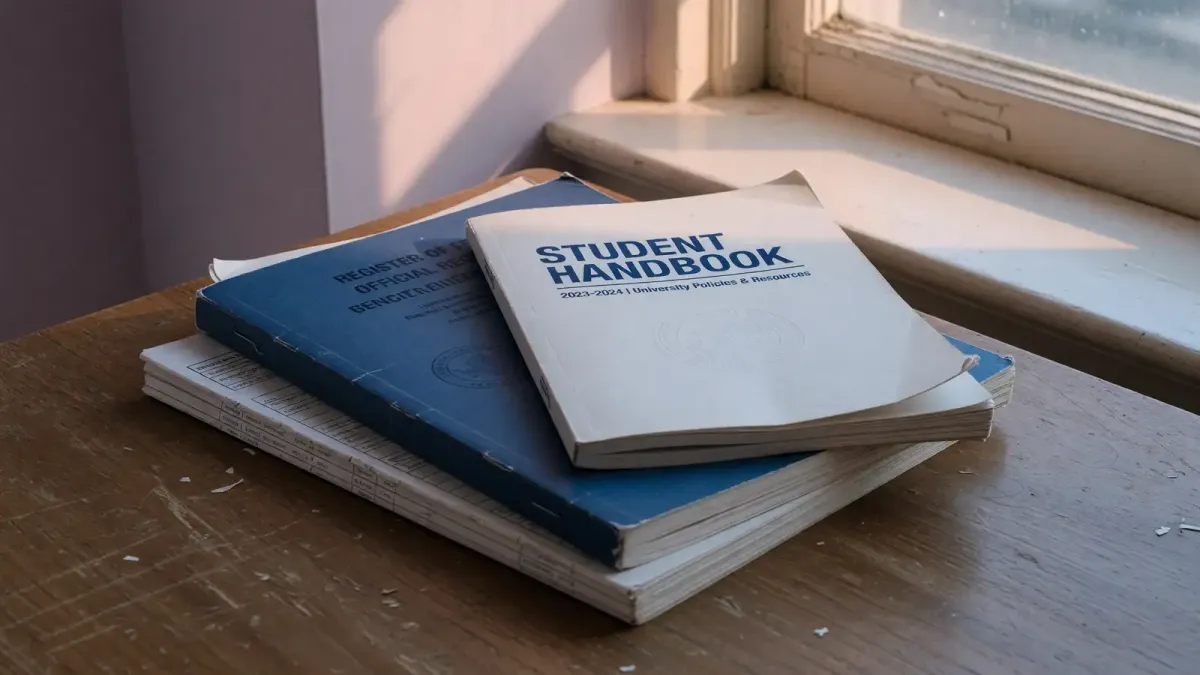
- Student code of conduct
- Non-discrimination policy
- Housing policies
- Complaint procedures
Your school is legally bound to follow its own policies, even if federal protection weakens.
5. How to Participate in Policy Making
Join or Create Student Organizations
Existing Groups:
- Pride student organizations
- Gender and Sexuality Alliances (GSA)
- Transgender student groups
- Queer student unions
Starting a New Group:
- Check student government requirements
- Find a faculty advisor
- Recruit founding members
- Draft mission and goals
- Register with student activities office
Benefits:
- Institutional recognition
- Access to funding
- Meeting space
- Email lists and communication channels
Run for Student Government
Why It Matters:
- Student governments pass resolutions
- They appoint students to campus committees
- They have direct access to administration
- They control some budget allocation
How to Run:
- Campaign on specific LGBTQ+ issues
- Build coalition with other groups
- Get endorsements from organizations
- Focus on achievable goals
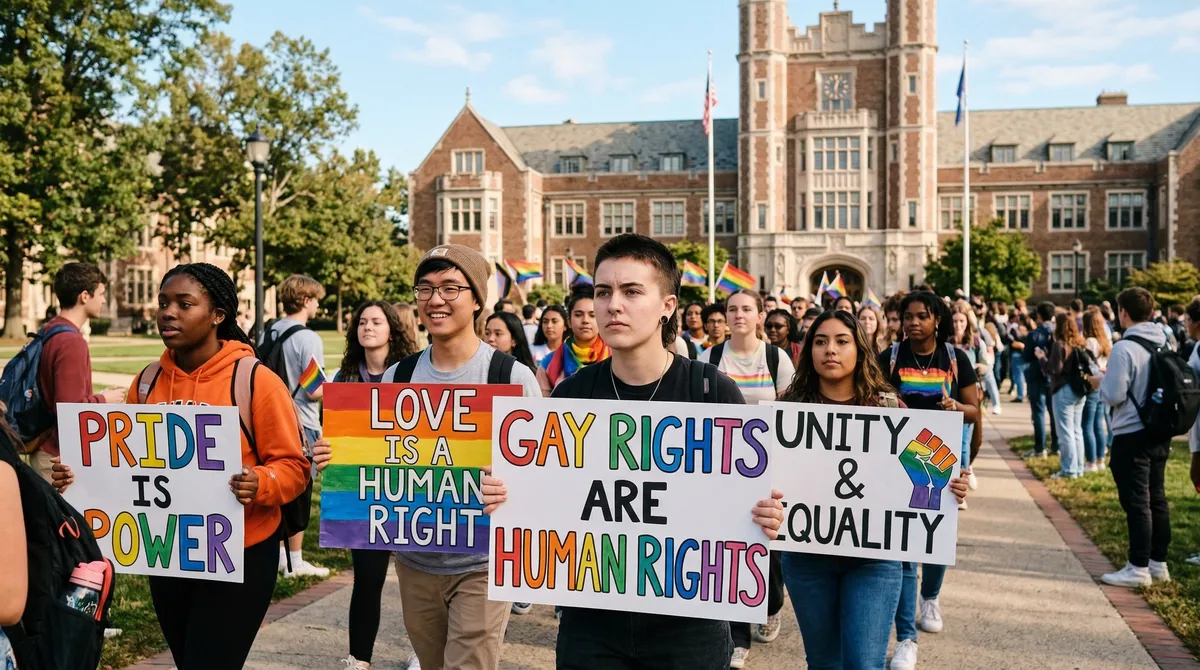
Organize Events and Protests
Event Types:
- Rallies and marches
- Educational panels
- Vigils for victims of violence
- Pride month celebrations
- National Coming Out Day events
Logistics to Consider:
- Reserve space through student activities
- Plan for safety and security
- Develop media strategy
- Coordinate with other organizations
Know Your Rights:
- Public schools: Strong First Amendment protections
- Private schools: Check student handbook
- Time, place, manner restrictions must be content-neutral
6. Student-Led Change: Success Stories
Case Study: Northwestern University
What Happened: Administrative changes removed LGBTQ+ resource center language and programming.
Student Response:
- Formed cross-community coalition
- Held town halls
- Collected 2,000+ signatures
- Organized rally with 500+ attendees
- Contacted media
Result: Partial restoration of resources and commitment to ongoing dialogue.
Case Study: University of Virginia
What Happened: State-level pressure threatened DEI programs including LGBTQ+ resources.
Student Response:
- Sustained organizing over months
- Built faculty-alumni coalition
- Documented impact of programs
- Shared personal stories publicly
Result: Resource center remained open with continued (though reduced) funding.
Case Study: Georgetown University
Ongoing Fight: GU Pride organized with two goals:
- Prevent university from backsliding on LGBTQ+ commitments
- Maintain visibility despite institutional pressure
Achievements:
- Advanced gender-inclusive housing discussions
- Created trans safety space on campus
- Maintained visible presence despite challenges
7. Strategies for Effective Advocacy
Building Relationships With Administration
Do:
- Request regular meetings with relevant staff
- Bring data and specific examples
- Offer constructive feedback
- Follow up in writing
- Build relationships before crises
Don’t:
- Only engage when angry
- Make only demands without solutions
- Burn bridges with individual administrators
- Assume all administrators are adversaries
Data-Driven Advocacy
Collect Information:
- Campus climate surveys
- Usage statistics for programs
- Comparison with peer institutions
- Best practice research
Use Data To:
- Show need for resources
- Demonstrate program impact
- Argue for policy changes
- Counter administrative claims
Coalition Building
Potential Allies:
- Other identity-based organizations
- Faculty senates
- Staff unions
- Alumni associations
- Mental health organizations
- Religious organizations (some are affirming)
Why Coalitions Matter:
- Amplified voice
- Shared resources
- Protection for individuals
- Broader impact
8. Protecting Yourself While Advocating
Digital Safety
Social Media:
- Review privacy settings regularly
- Consider separate accounts for activism
- Be cautious about location tagging
- Think before posting about specific incidents
Communication:
- Use encrypted messaging for sensitive conversations
- Be aware of university email policies
- Document threats or harassment
Mental Health Protection
Set Boundaries:
- Limit news and social media consumption
- Take breaks from activism
- Maintain non-activist friendships
- Remember: you’re a student first
Build Support:
- Connect with therapist or counselor
- Join support groups
- Maintain relationships outside activism
- Practice self-care routines
Know When to Step Back
Signs of Burnout:
- Constant exhaustion
- Cynicism about progress
- Physical symptoms (headaches, illness)
- Strained relationships
- Declining academic performance
It’s Okay To:
- Take a semester off from leadership
- Pass responsibilities to others
- Focus on classes temporarily
- Prioritize your wellbeing
Documenting and Reporting Problems
What to Document
For Each Incident:
- Date, time, location
- People involved (names if known)
- What happened (specific words, actions)
- Witnesses
- Screenshots or photos if applicable
- Impact on you (emotional, academic, physical)
Where to Report
On Campus:
- Title IX Office (for sex discrimination)
- Equal Opportunity Office
- Dean of Students
- LGBTQ+ Center (if open)
- Housing Office (for residential issues)
- Human Resources (for faculty/staff issues)
Off Campus:
- Department of Education Office for Civil Rights
- State civil rights agency
- Advocacy organizations (Lambda Legal, ACLU)
How to File a Complaint
General Process:
- Gather documentation
- Review complaint procedures
- Submit written complaint
- Request timeline for response
- Follow up regularly
- Escalate if needed
Getting Help:
- Ask LGBTQ+ center for support
- Contact student legal services
- Reach out to advocacy organizations
- Find a faculty ally to advise you
Resources for 2026
National Organizations
Lambda Legal
- Website: lambdalegal.org
- Help desk: 1-866-542-8336
- Focus: Legal rights and litigation
ACLU LGBTQ+ Rights Project
- Website: aclu.org/lgbtq-rights
- Focus: Civil liberties advocacy
GLAAD
- Website: glaad.org
- Focus: Media advocacy and resources
The Trevor Project
- Crisis line: 1-866-488-7386
- Text: START to 678678
- Website: thetrevorproject.org
- Focus: Crisis intervention
Campus Pride
- Website: campuspride.org
- Focus: Campus resources and leadership
GSA Network
- Website: gsanetwork.org
- Focus: Student organizing support
Legal Resources
Lambda Legal Help Desk
- Free legal information and referrals
- Know Your Rights materials
- Intake for potential cases
National Center for Lesbian Rights
- Website: nclrights.org
- Focus: Legal advocacy for LGBTQ+ people
Transgender Law Center
- Website: transgenderlawcenter.org
- Focus: Trans-specific legal advocacy
Crisis Support
The Trevor Project: 24/7 crisis support for LGBTQ+ young people Trans Lifeline: 1-877-565-8860 (trans-led crisis line) 988 Suicide & Crisis Lifeline: Call or text 988 Crisis Text Line: Text HOME to 741741
Looking Ahead: What to Watch in 2026
Upcoming Policy Developments
Title IX:
- Potential for further revisions
- Possible Supreme Court cases
- State-level responses
State Legislation:
- 2026 state legislative sessions
- Expected anti-LGBTQ+ bills
- Potential protective legislation in some states
Campus Level:
- Continued pressure on DEI
- More resource center changes possible
- Student organizing opportunities
Election Impact
2026 Midterm Elections:
- Will affect federal policy direction
- State elections matter for state law
- Local elections affect school boards
Campus Elections:
- Student government races
- Graduate student unions
- Faculty senate decisions
Long-Term Trends
Reasons for Hope:
- Younger generations more supportive of LGBTQ+ rights
- Corporate support (despite backlash)
- Legal precedent accumulating
- International momentum
Challenges Ahead:
- Polarized political environment
- Organized opposition well-funded
- Federal protection uncertain
A Final Word: Continue Moving Forward
Historical Perspective
LGBTQ+ rights have never been a straight line upward. There have been advances and setbacks throughout history:
- 1950s-60s: Intense persecution, but seeds of resistance
- 1969: Stonewall and the birth of modern movement
- 1980s-90s: AIDS crisis, but also growing visibility
- 2000s-2010s: Marriage equality victories
- 2020s: Backlash, but also resilience
The pattern: Progress isn’t inevitable, but it’s possible when people organize.
You Are Not Alone
Thousands of LGBTQ+ students are navigating this exact moment with you. Across campuses, in dorm rooms, in student centers—you have a community.
Take Action, But Take Care
Do:
- Learn your rights
- Connect with support networks
- Participate in advocacy
- Build coalitions
Also Do:
- Prioritize your mental health
- Celebrate small victories
- Find joy in community
- Remember: this is a marathon, not a sprint
Hope Is a Practice
Hope isn’t passive. It’s not waiting for things to get better. It’s the daily practice of:
- Showing up for yourself
- Showing up for each other
- Refusing to accept less than you deserve
- Building the world you want to live in
Your existence is political. Your education is power. Your voice matters.
Stay safe. Stay connected. Stay fighting.