Last weekend, at the Florida LGBTQ+ Democratic Caucus conference, something quietly significant happened. Organizers and candidates described a deliberate shift in tone. They weren’t gathering to fight back, they said. They were gathering to build forward.
“We’re fighting with hope rather than vengeance,” said Luis Salazar, a candidate for Florida House District 64. The sentiment echoed through the weekend. Speakers emphasized affordability, community, and coalition-building over outrage. The phrase one organizer used was simple but loaded: “The worst Democrat on the worst day is better than the best MAGA.”
Florida has been one of the hardest states for LGBTQ+ people in recent years — the “Don’t Say Gay” law, restrictions on gender-affirming care, book bans targeting queer literature, and a political climate that has made teachers, students, and families feel targeted. And yet, the activists gathered in that conference room weren’t describing burnout. They were describing strategy.
What’s happening in Florida matters beyond state lines. For LGBTQ+ college students — especially those in states with hostile legislation — the emotional toll of constant political threat is real. The question isn’t just how to advocate. It’s how to advocate without breaking.
The Burnout Nobody Talks About
Campus LGBTQ+ advocacy has a rhythm that makes burnout almost inevitable. A harmful bill gets introduced. Students mobilize. They write op-eds, organize walkouts, testify at hearings. The bill passes anyway, or a worse one replaces it. The cycle repeats the next semester. The next year. The fight that mattered desperately in the fall feels distant and ineffective by spring.
The people who drop out of advocacy aren’t always the least committed. Often they’re the most — the students who gave everything to a campaign, saw limited results, and decided they couldn’t do it again. The movement doesn’t lose its skeptics. It loses its believers.
The Florida caucus framework — “hope, not vengeance” — isn’t a slogan. It’s a survival strategy. Vengeance requires an enemy. It consumes energy in proportion to the threat. When the threat is ongoing and structural, as anti-LGBTQ legislation is, vengeance-based activism burns people out because the enemy never goes away. There’s always another bill, another politician, another headline.
Hope-based activism is different. It orients toward outcomes rather than adversaries. It asks: what kind of community do we want to build? Who do we want to become in the process? It accepts that the fight is long and that the people doing the fighting need to be able to sustain themselves through it.
What This Looks Like on Campus
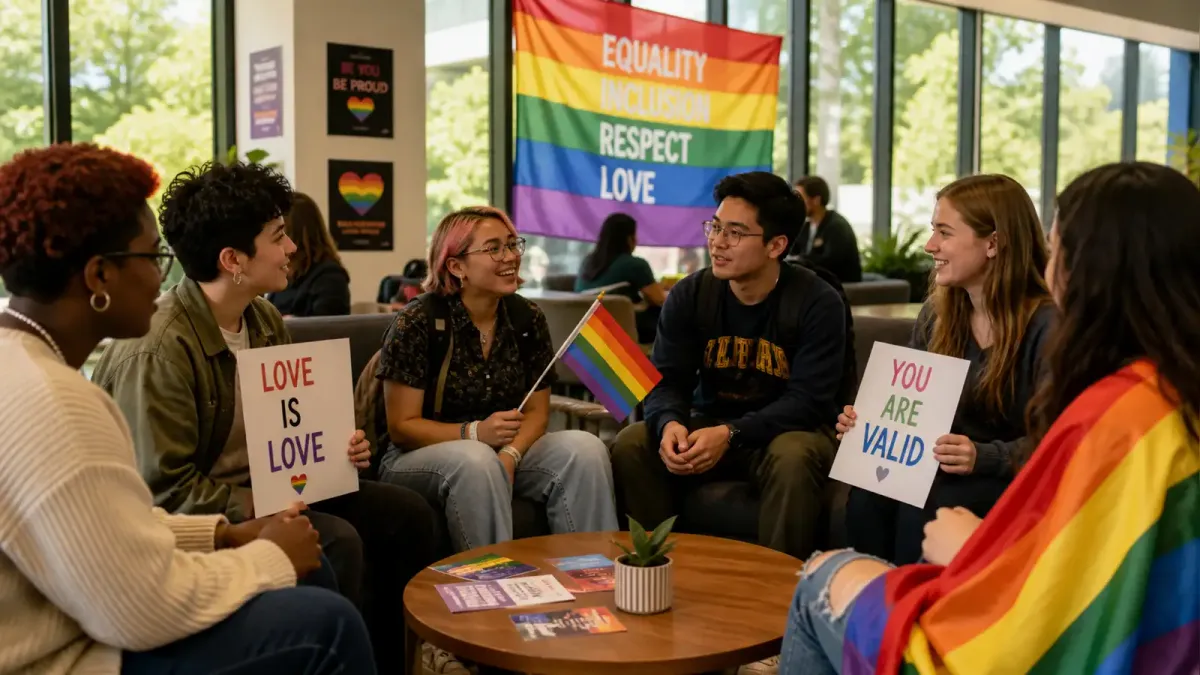
The Florida model translates directly to student organizing, and in some ways campus environments are better suited to it than state politics. Students have built-in community infrastructure — dorms, student organizations, academic departments, campus events. They have time, even if it doesn’t feel like it between classes and jobs. They have access to each other in ways that geographically dispersed adult activists don’t.
A hope-based campus approach might include:
Building parallel infrastructure. Instead of organizing exclusively in response to threats, build things that exist regardless of the political climate. A peer support network. A regular community dinner. A zine or newsletter. A mentorship program connecting queer upperclassmen with incoming students. When the next crisis hits, you’ll have infrastructure to respond with instead of starting from zero.
Focusing on local wins. State and federal policy changes are slow and often disappointing. Campus policy changes — gender-neutral housing, chosen name systems, inclusive health services, bias reporting that actually works — are winnable and visible. Each local win builds momentum and proves to students that their organizing matters.
Taking breaks seriously. The most radical thing an activist can do is rest. Movements that don’t let people step back lose the people who most need to stay. A campus group that explicitly schedules low-activity periods — no meetings over winter break, light programming during midterms — signals that the wellbeing of its members is part of its mission, not an obstacle to it.
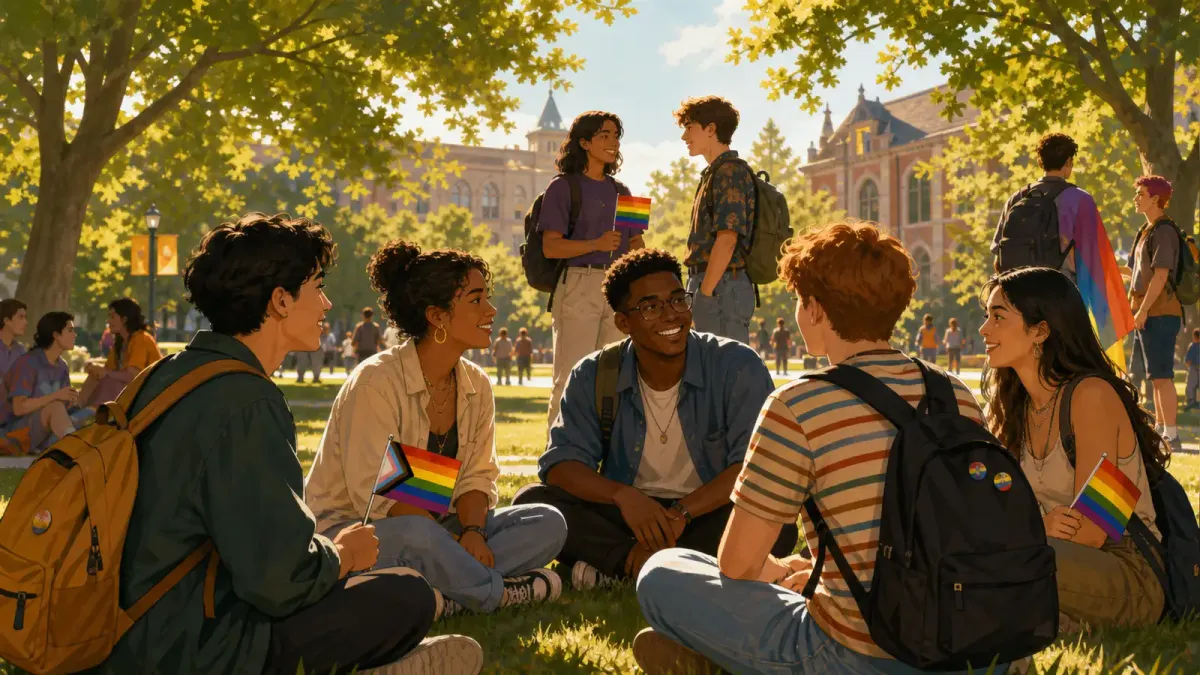
Celebrating without qualifying. Queer joy is not a distraction from the work. It is the work. A deliberately joyful event — a drag show, a picnic, a movie night — isn’t a break from advocacy. It’s a reminder of what advocacy is for. When every gathering is a crisis response meeting, the community starts to feel like a support group for a trauma that never ends. That’s not sustainable. Pride was a riot, yes — but it was also a party. Both traditions matter.
These aren’t soft suggestions. They’re strategic. Every student who burns out and leaves campus advocacy is one less person who could have been there when a winnable fight finally arrived. Retention is not a secondary concern. It’s the primary metric.
The Numbers Behind the Hope
The Florida caucus didn’t arrive at its hopeful framing by accident. There are material reasons for optimism, even in a difficult environment.
Democrats have added Florida districts to their target map. The Democratic Congressional Campaign Committee expanded its Florida list to include districts that previously seemed untouchable. Candidates like Elijah Manley — who could become the first openly gay member of the House from Florida — are running competitive races. The focus on affordability as a top voter concern creates openings for candidates who can speak to economic anxiety without being drawn into culture war fights.
On campuses specifically, the landscape is more mixed than headlines suggest. While some states have passed restrictive legislation affecting LGBTQ+ students, other states have strengthened protections. Campus Pride’s annual index of LGBTQ-friendly colleges continues to grow. More institutions now offer gender-inclusive housing, chosen name policies, and transgender-inclusive healthcare than did five years ago. Progress is uneven — geographically, economically, racially — but it’s real, and it’s happening.
The students who organized for these policies are now alumni. They’re in graduate programs, in nonprofits, in corporate diversity roles, in politics. The infrastructure they built as undergraduates didn’t disappear when they graduated. It became the foundation for the next cohort. That’s what hope-based organizing looks like in practice: not just winning today, but building the conditions for tomorrow’s wins.
The through-line for campus advocates is this: political conditions change. The hostile environment of 2023-2025 is not permanent. The students organizing today are building skills, relationships, and infrastructure that will outlast any particular legislative session. The question is whether they’ll still be around to use them when conditions shift.
A Note to Students in Hard Places
If you’re reading this from a campus in a state that has passed anti-LGBTQ legislation — if you’re tired, if you’ve been fighting and losing, if the people you started organizing with have graduated or burned out — the Florida caucus model suggests something counterintuitive: the way forward isn’t to fight harder. It’s to fight smarter, and smarter means sustainable.
This isn’t about lowering your standards or accepting less than full equality. It’s about recognizing that you can’t win a long fight with short-term energy. The movements that changed the world — civil rights, marriage equality, disability rights — took decades. The people who sustained them didn’t stay angry for decades. They found ways to stay in the fight without letting the fight consume them. They built communities that could hold joy and grief simultaneously. They rested. They celebrated. They passed the work to the next generation.
If your campus LGBTQ+ group is struggling — low attendance, leadership burnout, the same five people doing everything — the answer isn’t another urgent meeting. It might be a movie night. It might be a semester of lower-intensity programming while the leadership recovers. It might be deliberately recruiting underclassmen and actually training them, even though training takes time you don’t feel like you have. These aren’t luxuries. They’re maintenance. You maintain a car if you want it to keep running. You maintain a movement the same way. And you maintain yourself — your own energy, your own capacity for joy — because you’re the most important piece of infrastructure the movement has.
Continue showing up. But also continue showing up for each other in ways that have nothing to do with politics — the shared meals, the late-night conversations, the moments of ordinary friendship that remind you why this community exists in the first place. The community you’re building isn’t just a means to a policy outcome. It’s the outcome. When the political winds shift — and they will — the infrastructure and relationships you’ve built will be ready. The question is whether you’ll still have the energy to use them.
Luis Salazar, the Florida candidate, said it plainly: “We’re fighting with hope.” Not because hope is naive, but because it’s the only strategy that doesn’t consume its own soldiers. For campus organizers facing their own hard seasons, that might be the most practical advice available. The path forward isn’t about finding the energy to fight every battle. It’s about choosing which battles are yours, fighting them well, and making sure you’re still standing — still here, still connected, still hopeful — when the next one comes.