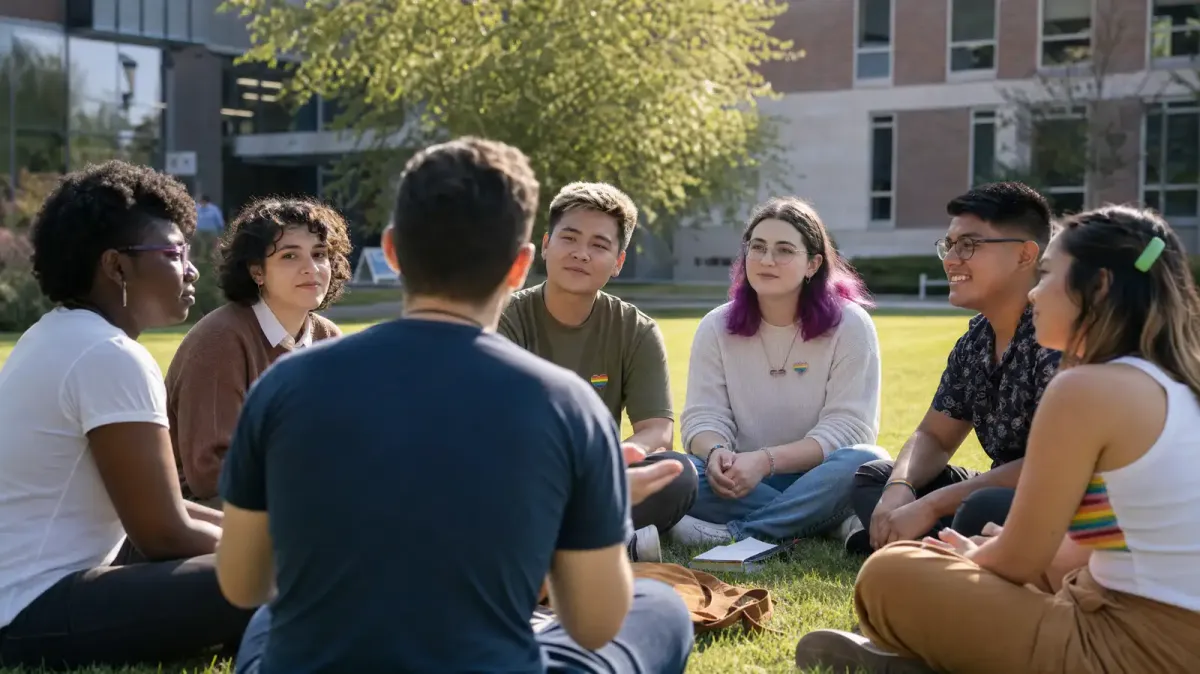
The “Safe Zone” sticker on an office door was once a meaningful signal. Today, many campuses have moved beyond the sticker — and beyond the one-hour training that often accompanied it. Effective LGBTQ+ ally training in 2026 is skills-based, identity-specific, and embedded in institutional structures rather than offered as an optional extra.
What Changed
Several developments have pushed ally training to evolve:
Students expect more. The generation of students entering college now grew up with greater LGBTQ+ visibility than any previous cohort. They can tell the difference between a sticker and substantive support, and they’re less patient with the former.
Legal and policy pressures demand specificity. In an era of shifting federal protections, institutions need their faculty and staff to understand not just values but laws — what Title IX currently covers, what state law requires, what institutional policy provides, and where the gaps are.
One size doesn’t fit all. A one-hour “LGBTQ+ 101” training that treats all identities as interchangeable doesn’t serve anyone well. Effective training distinguishes between the needs of gay and lesbian students, trans and non-binary students, bisexual and pansexual students, asexual and aromantic students, and students navigating intersections of identity.
What Effective Training Includes
Programs that are making a measurable difference share several characteristics:
It’s role-specific. Training for faculty addresses classroom practices: how to handle name and pronoun changes on rosters, how to make syllabi inclusive, how to respond when classroom discussion touches on LGBTQ+ topics. Training for residence life staff addresses floor culture, conflict mediation involving identity, and supporting students through coming-out processes. Training for campus police addresses interactions with trans students, hate crime reporting, and the specific vulnerabilities LGBTQ+ students face. Generic training doesn’t stick because it doesn’t apply.
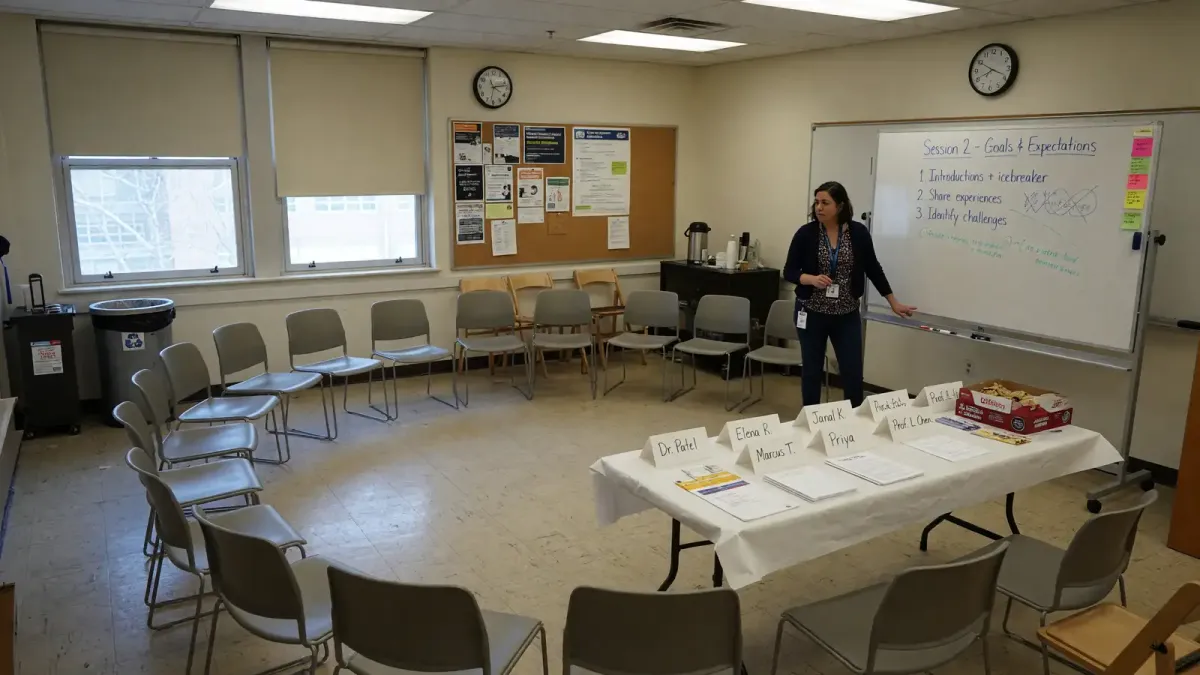
It’s scenario-based. Lectures on terminology have their place, but the training that changes behavior gives participants realistic scenarios and asks them to work through them. “A student tells you their parents don’t know they’re trans and are coming to campus this weekend — what do you do?” is a better training prompt than “let’s review the university’s non-discrimination policy.”
It addresses resistance productively. Not everyone arrives at ally training enthusiastic. Some participants are skeptical, defensive, or actively resistant. Effective training acknowledges this rather than pretending it doesn’t exist, and it uses small-group discussion, personal reflection, and skill-building exercises to meet people where they are rather than lecturing them about where they should be.
It’s ongoing, not one-and-done. A single training session, however well-designed, doesn’t produce lasting change. Effective programs include follow-up sessions, refresher training, communities of practice where participants can discuss challenges, and resources participants can access independently after the training ends.
It’s assessed. Programs that measure outcomes — changes in participant knowledge, self-reported confidence in handling LGBTQ+-related situations, student perceptions of campus climate — can demonstrate impact and make the case for continued investment. Programs that don’t measure outcomes operate on faith.
Moving Beyond “Ally” as an Identity
One of the most significant shifts in ally training over the past decade has been away from “ally” as a badge you earn and toward allyship as a practice you engage in. The difference matters.
“I sat through ally training as an undergrad and got my sticker, and I thought I was done,” said Dr. Marcus Chen, who now runs faculty development programs at a liberal arts college. “It took me years to understand that allyship isn’t a status — it’s a set of behaviors you have to keep practicing, keep failing at, and keep recommitting to. The sticker was the beginning, not the end.”
This reframing has practical implications for training design. Instead of asking participants to “become allies,” effective training asks them to practice specific ally behaviors: using inclusive language, intervening when they witness bias, advocating for policy changes within their spheres of influence, and accepting feedback when they get it wrong.
For Students Advocating for Better Training
If your campus’s ally training feels outdated or performative, here’s how to push for better:
Collect data. Survey students about their experiences with faculty and staff who’ve completed ally training. Are students noticing a difference? If not, the training isn’t working — and that’s an argument the administration can’t easily dismiss.
Point to models. Research what peer institutions are doing. Campus Pride’s index, the Consortium of Higher Education LGBT Resource Professionals, and individual institutions’ LGBTQ+ center websites are good places to start.
Propose specific improvements. “Better ally training” is vague. “Require scenario-based training for all academic advisors that includes modules on supporting trans students through name change processes and supporting LGBTQ+ students facing family rejection” is specific enough for an administrator to act on.
Build faculty support. Faculty who’ve completed training and want more are powerful advocates. A faculty senate resolution in support of enhanced ally training carries weight that student petitions alone don’t.
Ally training isn’t the solution to every problem LGBTQ+ students face on campus. But done well, it’s one of the most scalable interventions available — and one that directly affects the daily experience of every student who interacts with trained faculty and staff.