LGBTQ+ student activism has always been central to progress on campus — from the first gay student groups in the 1960s to today’s organizing around trans healthcare, inclusive housing, and anti-discrimination policies. But activism, by its nature, tests boundaries. Knowing which boundaries are legal and which aren’t can mean the difference between effective organizing and disciplinary action.
The Basics: Public vs. Private Universities
The First Amendment protects speech from government restriction. This means:
At public universities, the First Amendment applies fully. The university cannot punish you for the content of your speech — including protest, controversial opinions, or criticism of the administration — as long as you’re not engaging in unprotected speech (true threats, incitement to imminent lawless action, harassment that meets the legal definition) and as long as you’re following reasonable time, place, and manner restrictions.
At private universities, the First Amendment does not directly apply. Private institutions set their own speech policies, and their obligations come from those policies, accreditation standards, and in some cases state laws that extend free speech protections to private campuses. If your private university promises free expression in its handbook, you have a contractual argument even without constitutional protection.
This distinction matters enormously for LGBTQ+ student activists. A protest that’s protected at UC Berkeley may not be protected at a private religious university. Know which category your institution falls into.
What’s Protected — and What’s Not
Protected speech includes:
- Peaceful protest, marches, and demonstrations in public campus spaces
- Distribution of literature, flyers, and zines
- Invited speakers, even controversial ones
- Social media posts, op-eds, and other expression (with some campus-specific limits)
- Symbolic expression — flags, clothing, buttons, art installations
Unprotected or restrictable speech includes:
- True threats — statements that a reasonable person would interpret as a serious expression of intent to harm
- Harassment that is so severe, pervasive, and objectively offensive that it effectively denies the target access to education
- Incitement to imminent lawless action — speech directed at producing imminent illegal conduct and likely to do so
- Speech that violates reasonable time, place, and manner restrictions — a midnight protest in a residential area may be restricted based on time and noise, not content
The line between protected speech and unprotected harassment is where LGBTQ+ student activists most often encounter conflict. Calling a speaker’s views hateful is protected. Preventing the speaker from being heard is not. Criticizing university policy is protected. Disrupting university operations in ways that prevent others from learning or working may not be, depending on the disruption.
Time, Place, and Manner Restrictions
Public universities can regulate when, where, and how speech occurs — as long as the regulations are content-neutral, narrowly tailored to serve a significant government interest, and leave open ample alternative channels for communication.
What this means in practice:
- You can be required to hold your protest in the free speech zone rather than the middle of the library
- You can be prohibited from using amplified sound during finals week
- You can be required to get a permit for events above a certain size
- You cannot be denied a permit because the administration disagrees with your message
If your event or protest is denied, ask for the specific policy justification in writing. If the justification seems pretextual — the policy is being applied to you but not to others with different viewpoints — you may have a discrimination claim.
Practical Guidance for LGBTQ+ Student Activists
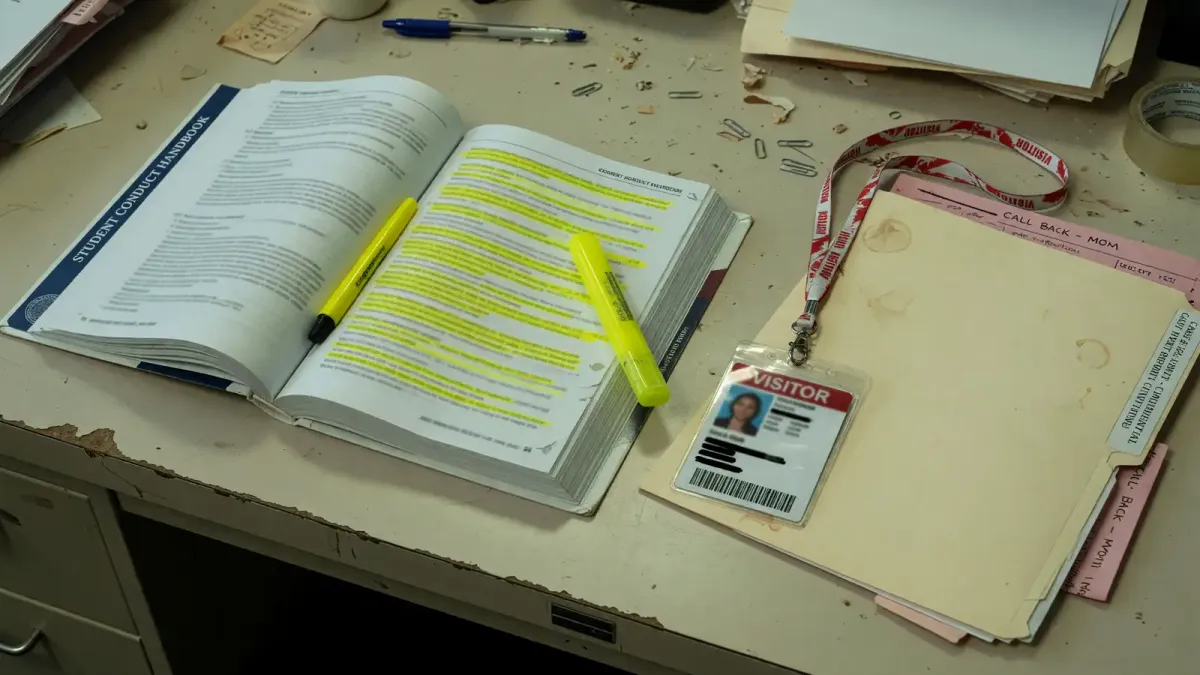
Know your institution’s policies. Before you organize, read the student handbook sections on free expression, demonstration, posting materials, and use of campus space. Knowing the rules is power.
Document interactions with administration. If you’re told to stop doing something, take down a display, or modify your event, get the directive in writing. Ask which specific policy you’re violating. If the answer is vague, push for specificity.
Have a legal resource ready. Before you need it, know who you’d call. FIRE (Foundation for Individual Rights and Expression) has a hotline for student speech issues. The ACLU has state affiliates that handle campus speech cases. Lambda Legal handles LGBTQ+-specific discrimination cases. Program these numbers into your phone.
Distinguish between advocacy and disruption. You have the right to advocate for change. You don’t have the right to prevent others from learning, working, or speaking. The most effective student movements understand this distinction and use it strategically — building public support rather than provoking crackdowns that alienate potential allies.
Take security seriously. LGBTQ+ activists, particularly trans activists, face elevated risks of doxxing, online harassment, and physical threats. Use privacy settings on social media. Have a buddy system at events. Document threats and report them to campus police. Your right to speak doesn’t protect you from people who want to silence you — but the law does offer some recourse.
When Things Go Wrong
If you face disciplinary action for your activism:
Don’t go to the hearing alone. Many universities allow students to bring an advisor or support person. Use this right. An attorney is ideal, but a trusted faculty member or student advocate is better than going solo.
Get it in writing. If the university proposes a sanction, ask for the specific policy you’re accused of violating, the evidence supporting the accusation, and your appeal rights — all in writing.
Consider whether the response is viewpoint-discriminatory. If you’re being punished for content that would be tolerated from a different viewpoint, you may have a legal claim. FIRE and the ACLU evaluate these cases regularly.
Know when to fight and when to be strategic. Legal battles are expensive, time-consuming, and emotionally draining. Sometimes the strategic move is to accept a minor sanction and continue organizing. Sometimes the principle is worth the fight. Only you can make that call — but make it with full information.
Student activism has changed this country more than once. The students organizing on campuses today are part of that tradition. Knowing your rights doesn’t make you less radical — it makes you more effective.