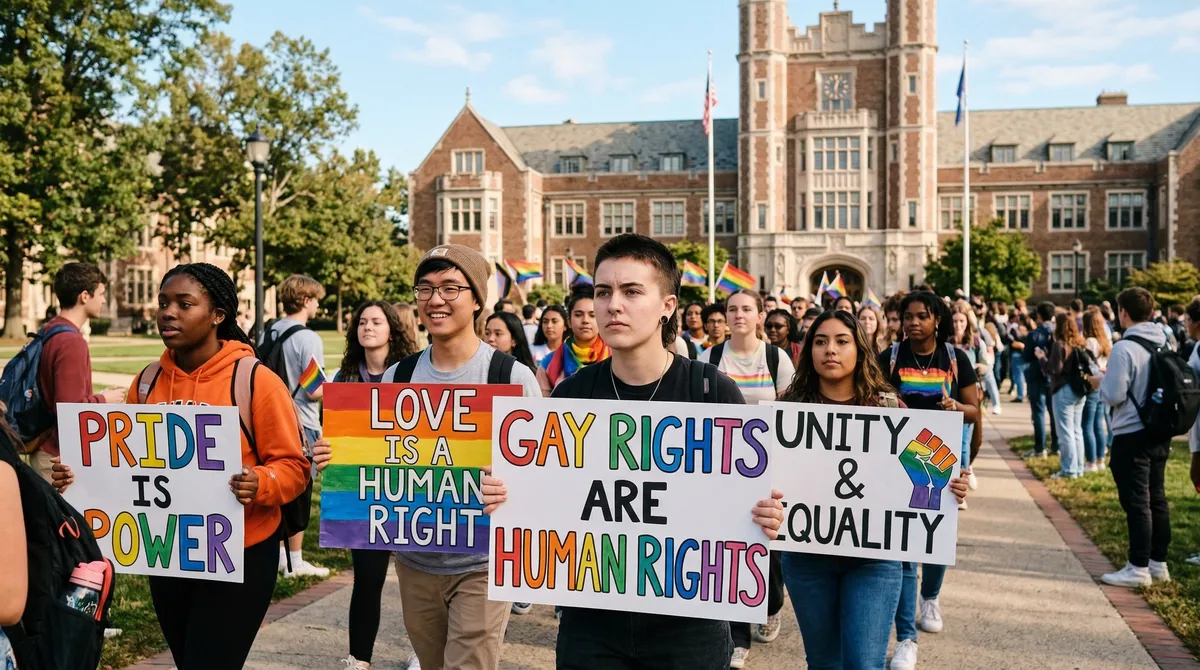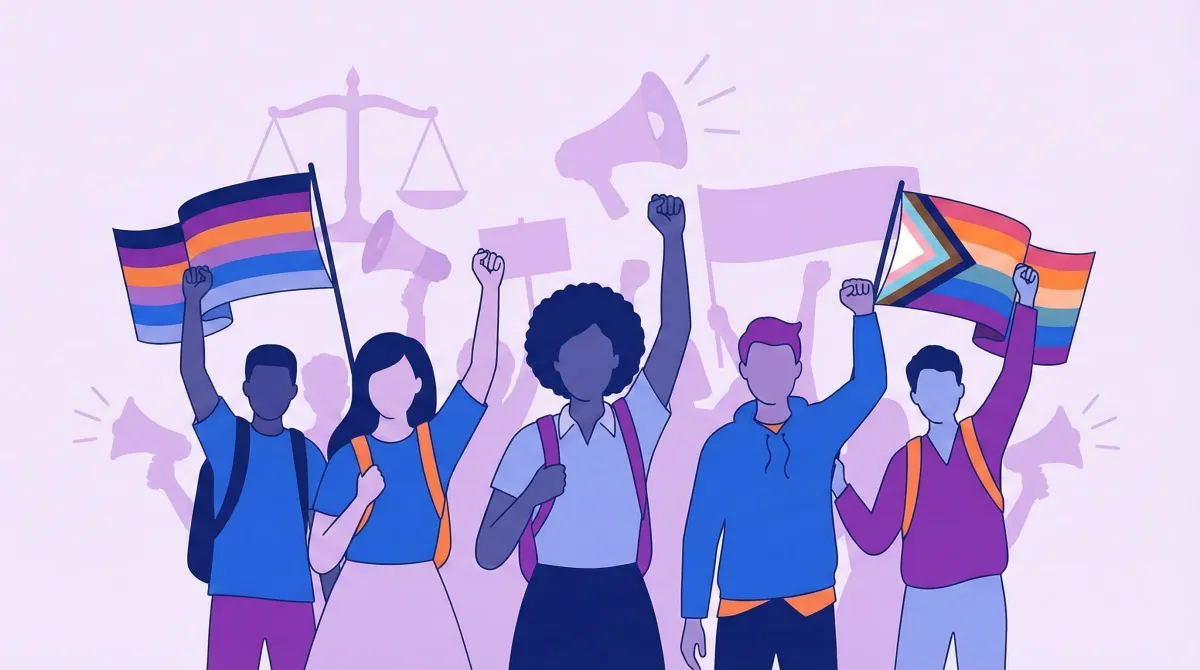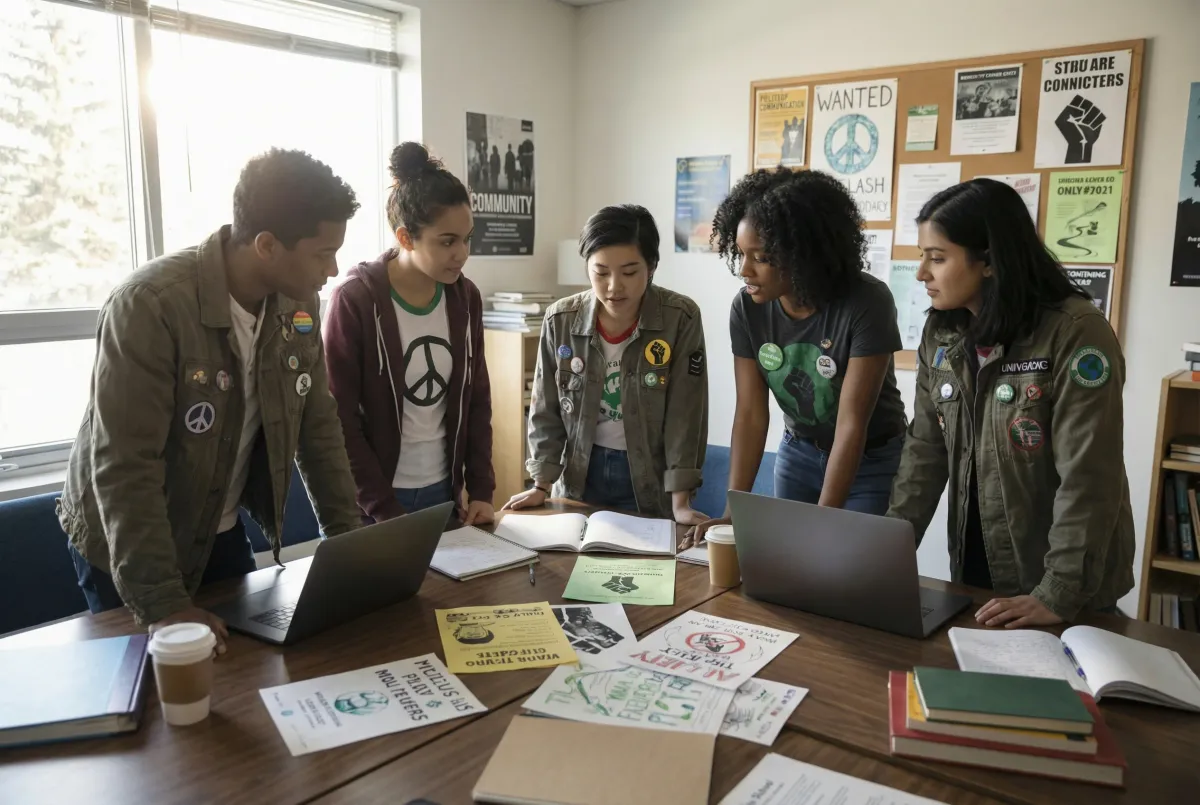
Change happens faster when we work together. For LGBTQ+ students seeking to make lasting change on campus, building coalitions with other movements isn’t just strategic—it’s essential.
This guide explores how to build alliances, work across differences, and create collective power that transforms campuses and communities.
Why Coalitions Matter
The Power of Numbers
Single-issue movements can accomplish great things. Coalition movements change the world.
Coalitions amplify:
- Shared resources and expertise
- Larger mobilizations and visible actions
- Diverse perspectives strengthen analysis
- Cross-movement solidarity builds lasting networks
Historical examples:
- Civil rights movement connected with women’s rights
- LGBTQ+ rights built on and contributed to other movements
- Climate justice connects environmental and social justice
- Disability rights influenced accessibility in all movements
Intersectionality in Action
Our identities are multiple and intersecting. So is oppression—and so is liberation.
Understanding intersection:
- LGBTQ+ people also experience racism, ableism, classism, and more
- Race, disability, gender, and sexuality all shape experience
- No movement is truly single-issue
- Coalition work reflects the complexity of real lives
Practical benefits:
- Reaching people through multiple communities
- Building deeper understanding across differences
- Creating more resilient and adaptable movements
- Preventing burnout through shared responsibility
Finding Potential Allies
Campus Movements to Connect With
Racial Justice:
- Black Student Unions
- Latinx Student Associations
- Asian American/Pacific Islander organizations
- Multiracial affinity groups
Immigration Rights:
- Dreamer/Undocumented student groups
- Immigration advocacy organizations
- International student associations
Disability Rights:
- Disability student organizations
- Neurodiversity groups
- Accessibility advocacy
Women’s Rights:
- Women’s student associations
- Feminist organizations
- Reproductive justice groups
Economic Justice:
- Labor unions and organizing
- Economic justice advocates
- Financial aid activists
Environmental Justice:
- Environmental organizations
- Climate action groups
- Sustainability initiatives
Religious and Spiritual:
- Interfaith organizations
- Progressive religious groups
- Spiritual communities
Beyond Identity Groups
Academic departments:
- Gender and Sexuality Studies
- Ethnic Studies
- Disability Studies
- Social justice programs
Campus offices:
- Diversity and inclusion offices
- International student services
- Counseling and health services
- Residence life
Community organizations:
- Local LGBTQ+ community centers
- Racial justice organizations
- Immigrant rights groups
- Social service agencies
Principles of Coalition Building
Grounding in Shared Values
Coalitions work best when built on shared principles:
Common ground for LGBTQ+ coalitions:
- Human dignity and worth
- Freedom from discrimination
- Safety and security for all students
- Access to education and opportunity
- Community and belonging
Finding shared language:
- Listen for common concerns
- Build vocabulary that multiple groups can use
- Acknowledge differences while emphasizing shared goals
Respecting Different Histories
Every movement has its own history, leaders, and culture:
Do your homework:
- Learn about other movements’ histories
- Understand key debates and tensions
- Respect organizational cultures
Avoid common pitfalls:
- Don’t assume similarity
- Don’t minimize others’ struggles
- Don’t co-opt or overshadow
- Don’t expect others to prioritize your issues
Mutuality and Reciprocity
Coalitions work when everyone benefits:
Reciprocal engagement:
- Support others’ issues even when they don’t directly affect you
- Share resources and connections
- Credit allies publicly and privately
- Show up consistently
Building trust over time:
- Start with small collaborations
- Follow through on commitments
- Be honest about limitations
- Celebrate others’ wins
Practical Steps to Build Coalitions
Start with Relationship
Before formal structures, build personal connections:
Individual outreach:
- Meet people one-on-one over coffee
- Learn about their work and perspectives
- Share your own story and goals
- Find genuine common ground
Relationship-building tips:
- Be curious, not transactional
- Listen more than you talk
- Find personal connections beyond politics
- Follow up and stay connected
Create Low-Stakes Opportunities
Start collaborations that feel safe:
Joint events:
- Co-sponsor speakers or panels
- Host social gatherings together
- Collaborate on educational programming
- Share resources and networks
Casual connection:
- Study breaks with multiple groups
- Community service projects
- Cultural celebrations
- Informal meals or hangouts
Formalize the Connection
As relationships grow, consider structures:
Memoranda of Understanding:
- Document shared goals
- Clarify roles and responsibilities
- Establish communication norms
- Plan for sustainability
Coalition structures:
- Regular coordination meetings
- Shared communication channels
- Designated liaisons
- Decision-making processes
Navigating Tensions
Disagreements Are Normal
Coalitions will face conflicts. That’s okay:
Common tensions:
- Different timelines and priorities
- Competition for resources or attention
- Disagreements about strategy
- Historical grievances between movements
Healthy conflict resolution:
- Address tensions directly but respectfully
- Seek to understand underlying concerns
- Find compromises that serve common goals
- Know when to agree to disagree
When to Step Back
Sometimes coalitions don’t work:
Signs a coalition isn’t working:
- One group consistently dominates
- Your organization’s needs are consistently unmet
- Power dynamics feel extractive
- Commitments aren’t honored
What to do:
- Have honest conversations first
- Try restructuring before dissolving
- Know when to prioritize your community
- Leave gracefully when necessary
Handling Different Risk Tolerances
Some groups can take more risks than others:
Considerations:
- Students with more privilege can often take more public risks
- Documented or marginalized students may face different consequences
- Be aware of who bears what costs
- Don’t ask others to take risks you won’t take
Building trust across differences:
- Be transparent about risks
- Support those who face consequences
- Share resources and protection
Case Studies: Successful Coalitions
Marriage Equality Coalition
The successful fight for marriage equality involved:
- LGBTQ+ organizations as core
- Faith groups providing moral authority
- Legal organizations offering expertise
- Business communities providing economic arguments
- Diverse communities demonstrating broad support
Lessons learned:
- Big tents work
- Multiple arguments reach multiple audiences
- Coalition partners bring different strengths
- Sustained effort over years produces results
Campus Divestment Movements
Coalitions on college campuses have achieved wins by:
- Connecting divestment to broader justice
- Building across student populations
- Engaging alumni and faculty
- Using institutional pressure effectively
Lessons for LGBTQ+ advocacy:
- Connect issues to shared values
- Build across student demographics
- Engage diverse stakeholders
- Use institutional leverage
Action Planning
Getting Started on Your Campus
First steps:
- Identify potential coalition partners
- Reach out for one-on-one meetings
- Find small collaboration opportunities
- Build relationships before asking for big things
Scaling up:
- Identify shared goals and quick wins
- Create informal working groups
- Plan joint actions or campaigns
- Document and celebrate wins
Sustaining Coalitions
Long-term success:
- Regular communication and check-ins
- Rotate leadership and responsibility
- Adapt to changing circumstances
- Celebrate milestones together
Common challenges:
- Leadership transitions
- Competing priorities
- Burnout and fatigue
- Shifting campus climates
Resources for Learning More
Books and Reading
- “Solidarity Politics” by Janelle Adsit
- “Ain’t Nothing Like the Real Thing” edited by Naomi extra
- Academic journals on social movements
Organizations to Know
- Movement for Black Lives
- Center for Popular Democracy
- United We Dream
- National Center for Transgender Equality
- Disability Rights Education and Defense Fund
Campus Resources
- Student government
- Organization for social justice
- Political science departments
- Community organizing programs
Moving Forward Together
Building coalitions isn’t just about winning specific battles—it’s about creating the world we want to live in:
A world where:
- All students belong
- No one is discriminated against
- Our communities support each other
- Collective action creates change
The work is ongoing:
- Relationships take time to build
- Movements grow and evolve
- Change happens gradually and suddenly
- Your participation matters
Your Role in Coalition Work
As an LGBTQ+ student advocate:
You bring:
- Your unique perspective and experience
- The history and resources of LGBTQ+ movements
- Passion and commitment
- Energy and hope for change
You gain:
- Strength in numbers
- Broader support and solidarity
- Deeper understanding of justice work
- Skills and relationships for life
You contribute to:
- A more just campus
- Stronger movements
- A better world
- Your own growth and development
Coalition building is both a strategy and a value. It reflects the world we want to create—one where diverse communities work together, learn from each other, and create change that benefits everyone.
Start small. Build relationships. Stay committed. The coalition is waiting for you.