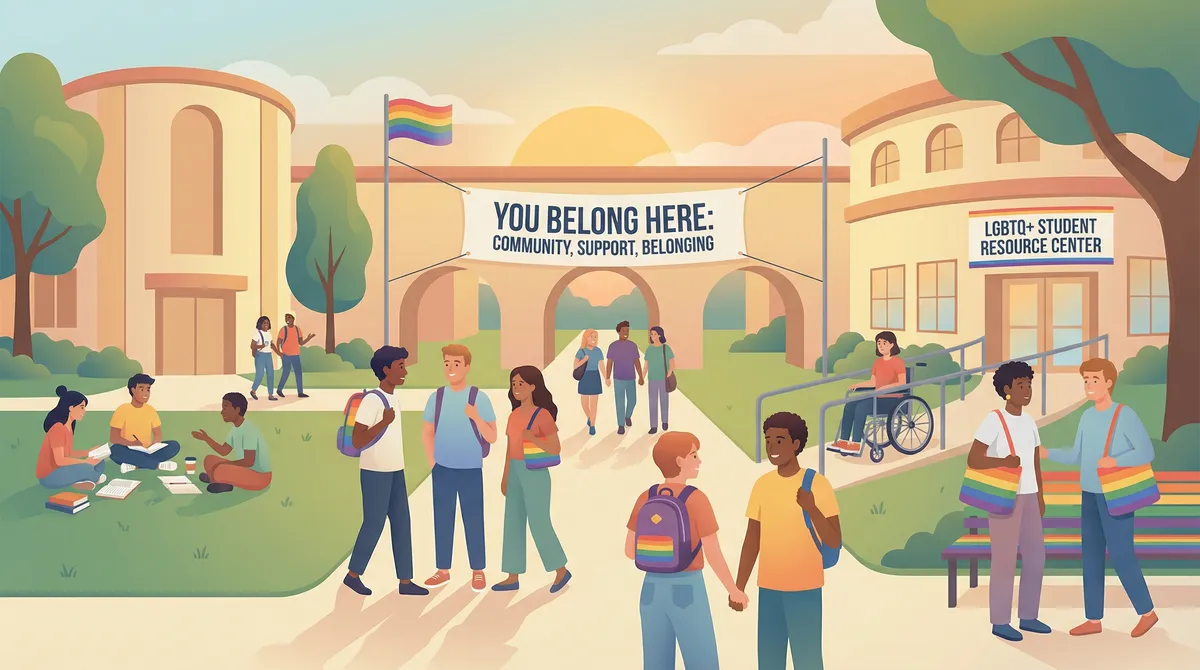
The Ultimate Campus Inclusivity Guide
Campus life presents a unique opportunity to learn, grow, and connect with people from all walks of life. Yet for many students and faculty members, feeling truly welcomed and valued requires more than just physical presence on campus. Inclusivity shapes the quality of that experience, determining whether someone sees themselves as a genuine member of the community or simply as a visitor passing through.
This guide explores what campus inclusivity means in practice. You will find practical approaches for building environments where everyone can thrive, regardless of their background, identity, or circumstances. Whether you are a student looking to make your community more welcoming, a faculty member seeking to create inclusive classrooms, or an administrator designing policies, the principles and strategies outlined here will help you take meaningful action.
What Campus Inclusivity Really Means
Inclusivity on campus goes far beyond diversity numbers and mission statements. It addresses the daily experiences of people who share a space, learning how they feel when they walk into a classroom, attend a social event, or seek support from campus services. A campus can be diverse without being inclusive, hosting people from many backgrounds while still making some of them feel unseen, unheard, or unwelcome.
True inclusivity asks uncomfortable questions. Who feels comfortable speaking up in class discussions? Whose perspectives appear in the curriculum? Who sees themselves reflected in the faculty and staff around them? Which groups struggle to find appropriate spaces for prayer, reflection, or community gatherings? The answers often reveal gaps between intention and reality.
Physical accessibility represents one dimension of inclusivity, but the concept extends into psychological and social territory as well. Students need spaces where they can be their authentic selves without fear of judgment or discrimination. They need policies that account for different family structures, religious observances, and cultural practices. They need professors who understand that their students have lives beyond the classroom, with responsibilities and challenges that affect academic performance.
The campus environment also shapes professional experiences for faculty and staff. Researchers from certain backgrounds may find it harder to secure funding or publication opportunities. Staff members may encounter microaggressions that go unnoticed by those who do not share their identity. Administrators from marginalized groups may face skepticism about their authority and expertise. Addressing these patterns requires attention to both formal structures and informal cultures.
Building Inclusive Spaces and Communities
Creating inclusive spaces starts with intentional design. Physical environments communicate messages about who belongs and who does not. Artwork that celebrates diverse cultures, signage available in multiple languages, and accessible building layouts all signal that the institution values every member of its community. Quiet rooms for prayer, lactation spaces for parents, and gender-neutral restrooms address specific needs that many people take for granted.
Student organizations play a vital role in fostering belonging. Groups organized around shared identities, experiences, or interests provide communities of support that help students navigate challenges. These organizations offer mentorship, celebrate cultural traditions, and advocate for changes that benefit their members. Campus leaders should ensure these groups receive adequate resources, meeting spaces, and recognition within the broader institutional structure.
Inclusive communities require deliberate effort to bridge differences. Mixed-identity events that bring together students from various backgrounds create opportunities for connection that might not happen otherwise. Collaborative projects, cross-cultural dialogue sessions, and shared service experiences help people discover common ground while learning to appreciate differences. These interactions challenge stereotypes and build the kind of relationships that strengthen campus culture over time.
Faculty and staff must also cultivate inclusive practices in their daily work. Office hours become more accessible when scheduled at varied times rather than only during business hours. Syllabi that incorporate diverse authors and perspectives signal to students that their cultural heritage matters academically. Classroom discussions that actively invite quieter voices and gently redirect dominant ones create richer learning environments for everyone.
Practical Steps for Inclusion in Daily Life
Inclusion happens through countless small actions, not just grand policies. The way you greet someone, the effort you make to pronounce their name correctly, and the attention you pay to their comfort all contribute to the atmosphere you create around you. These habits require practice and self-awareness, but they become natural over time.
Language matters more than many people realize. Thoughtless phrases can exclude people without meaning to. Using gender-neutral terms when unknown someone’s pronouns, avoiding assumptions about someone’s background or experiences, and learning to recognize when your words have caused harm all demonstrate respect. Making mistakes is inevitable; responding with defensiveness or dismissal closes doors that curiosity and humility could open.
Being an ally means more than holding the right opinions. Active allyship involves speaking up when you witness exclusion, amplifying marginalized voices in meetings and discussions, and sharing resources that benefit others. It also means recognizing your own limitations and listening when people from affected communities share their experiences. Allyship is a practice, not a label you earn once and keep forever.
Academic institutions often operate on assumptions that do not fit everyone. Traditional timelines assume students have no caregiving responsibilities, financial stability, or health challenges. Extensions, alternative testing arrangements, and flexible attendance policies help bridge the gap between these assumptions and the reality of student lives. Advocating for these policies and using them without shame represents progress toward a more humane educational environment.
Creating Lasting Change on Campus
Individual actions matter, but lasting transformation requires systemic attention. Institutions must examine their policies, from admissions and hiring to discipline and graduation requirements, for patterns that disadvantage certain groups. This examination often reveals hidden barriers that persist despite good intentions.
Leadership commitment drives meaningful change. When campus executives prioritize inclusivity in their communications, resource allocation, and decision-making, the message resonates throughout the community. Budget decisions that fund diversity initiatives, strategic plans that set measurable inclusion goals, and accountability structures that track progress all signal that the institution takes this work seriously.
Students should feel empowered to advocate for the changes they want to see. Grassroots organizing, constructive dialogue with administrators, and persistence in pushing for improvements have historically transformed campuses. Student governments, representative councils, and formal feedback mechanisms provide channels for this advocacy, but sometimes the most powerful change comes from unexpected moments when students refuse to accept the status quo.
Training and education support long-term cultural shifts. Mandatory diversity training for new students and employees establishes baseline awareness, but deeper learning requires ongoing opportunities for reflection and growth. Reading groups, speaker series, and facilitated dialogues help community members develop the skills and perspectives needed to build genuinely inclusive environments.
Moving Forward Together
Campus inclusivity is not a destination you reach but a practice you maintain. Communities evolve as new members arrive and circumstances change, so the work of inclusion requires constant attention and adaptation. What felt welcoming five years ago may feel dated today. Policies that addressed past problems may create new ones as society progresses.
The effort is worthwhile because it makes education better for everyone. Students who feel they belong perform better academically, develop stronger relationships, and carry inclusive values into their professional lives. Campuses that embrace diversity produce graduates prepared to work and lead in a complex, interconnected world.
Start where you are. Use what you have. Do what you can. Small actions accumulate into significant change when many people commit to the same vision. Whether you are a first-year student or a seasoned professor, your voice and choices shape the campus culture around you. Choose to make it more welcoming, more just, and more true to the ideal of education as a common good that belongs to all.